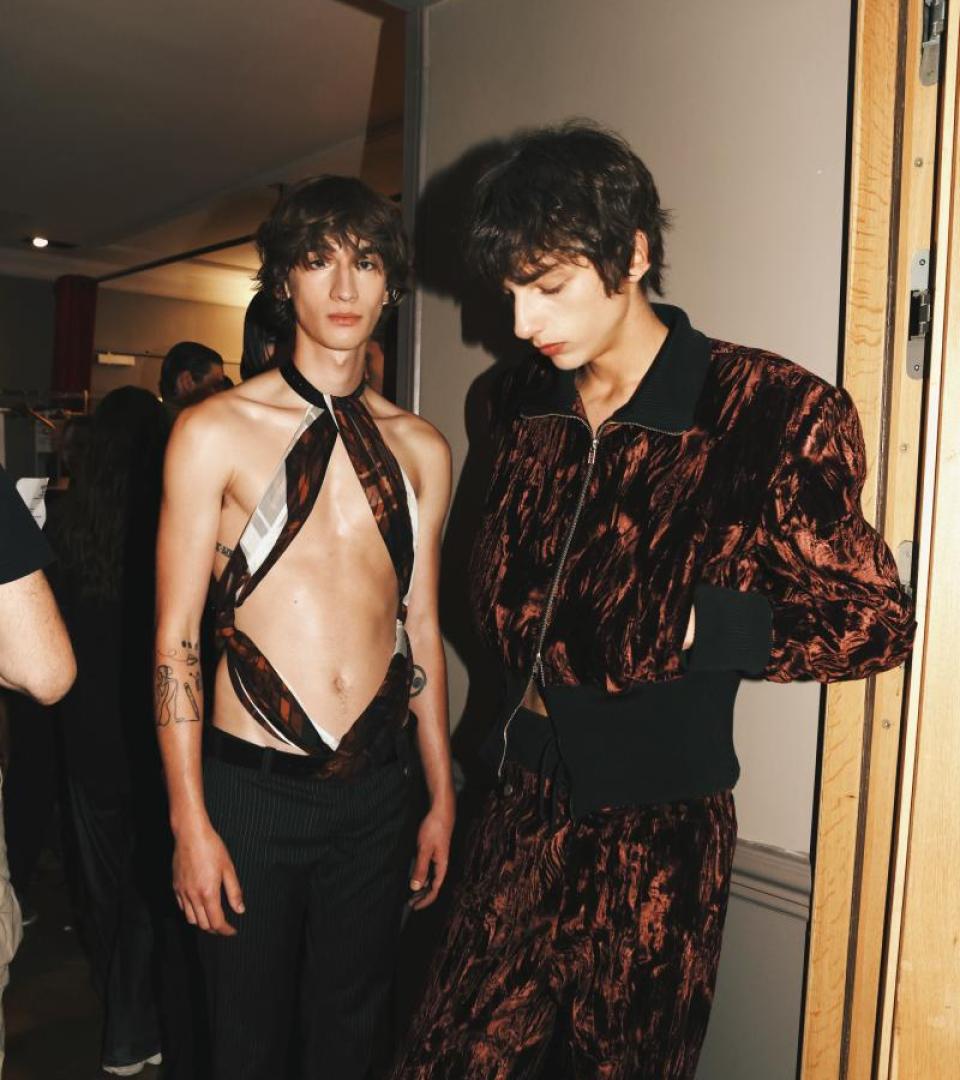
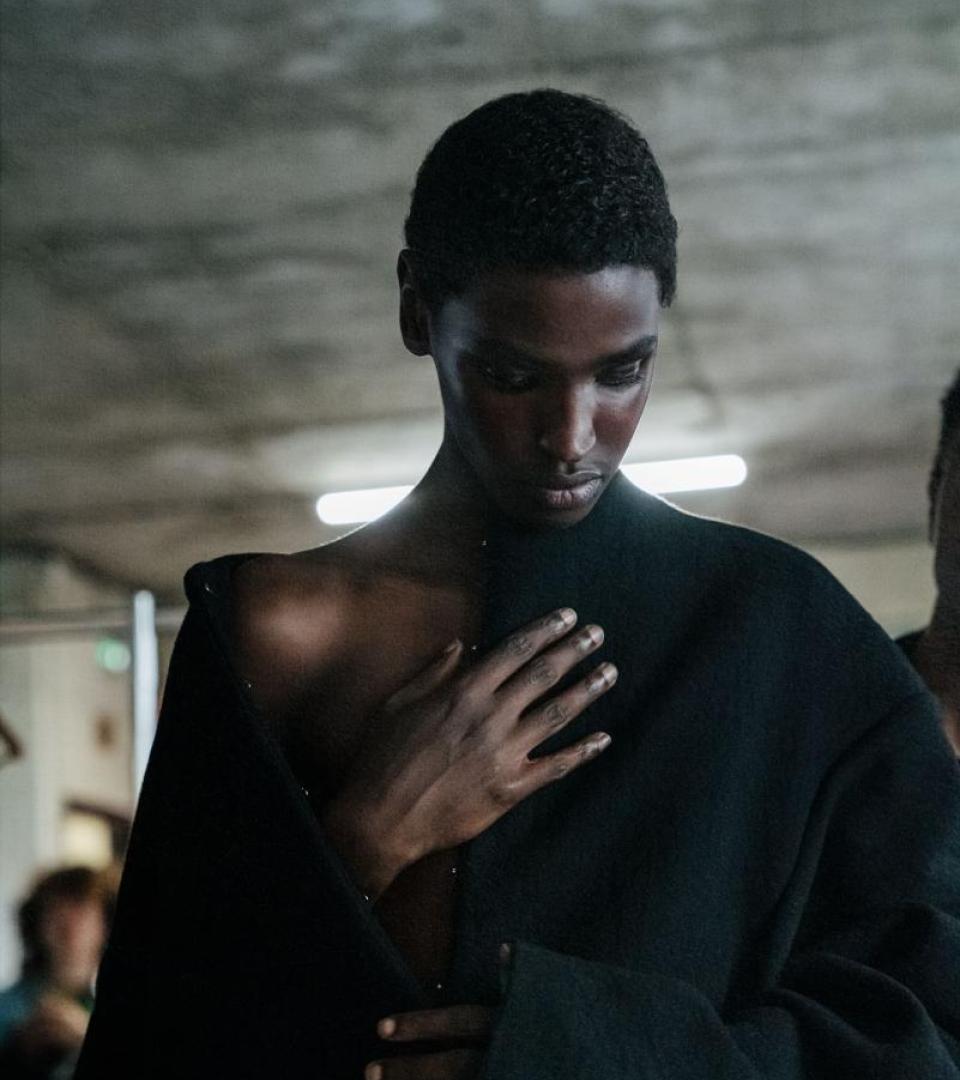
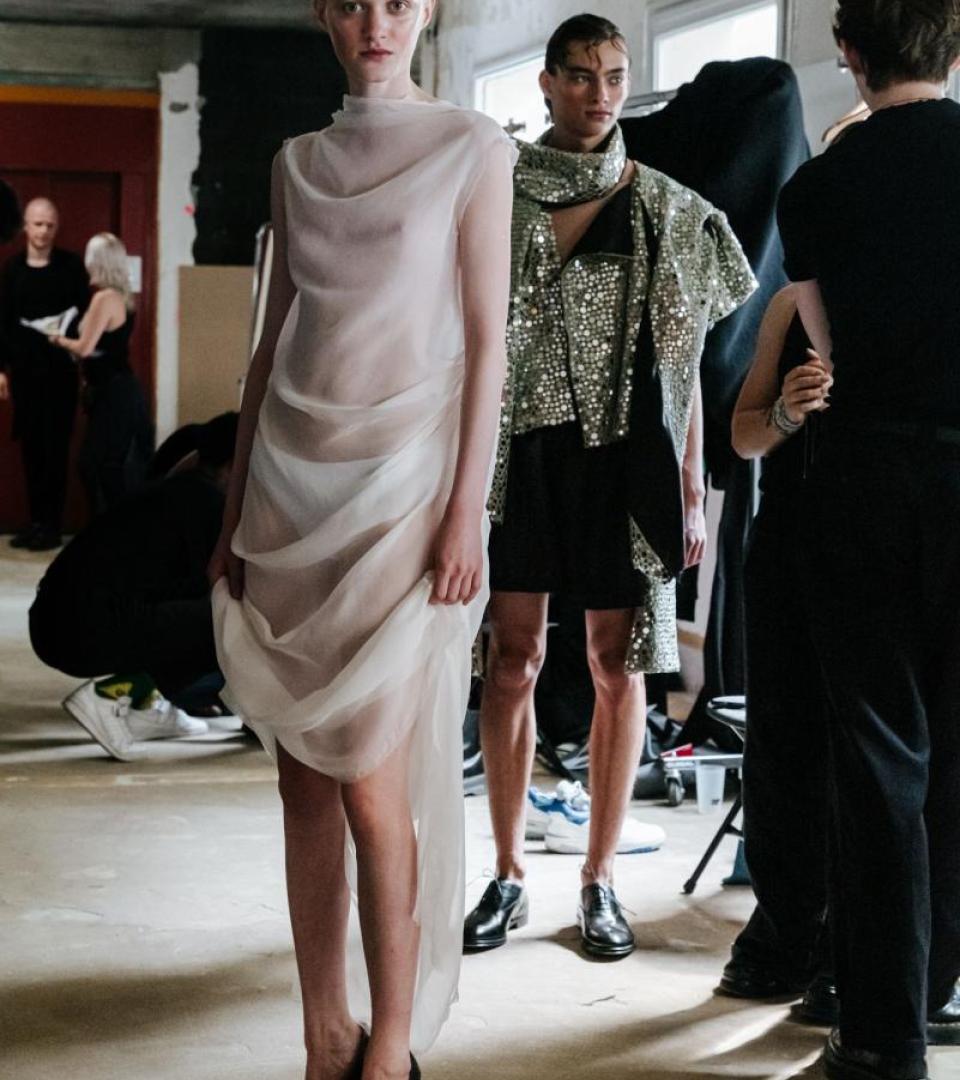
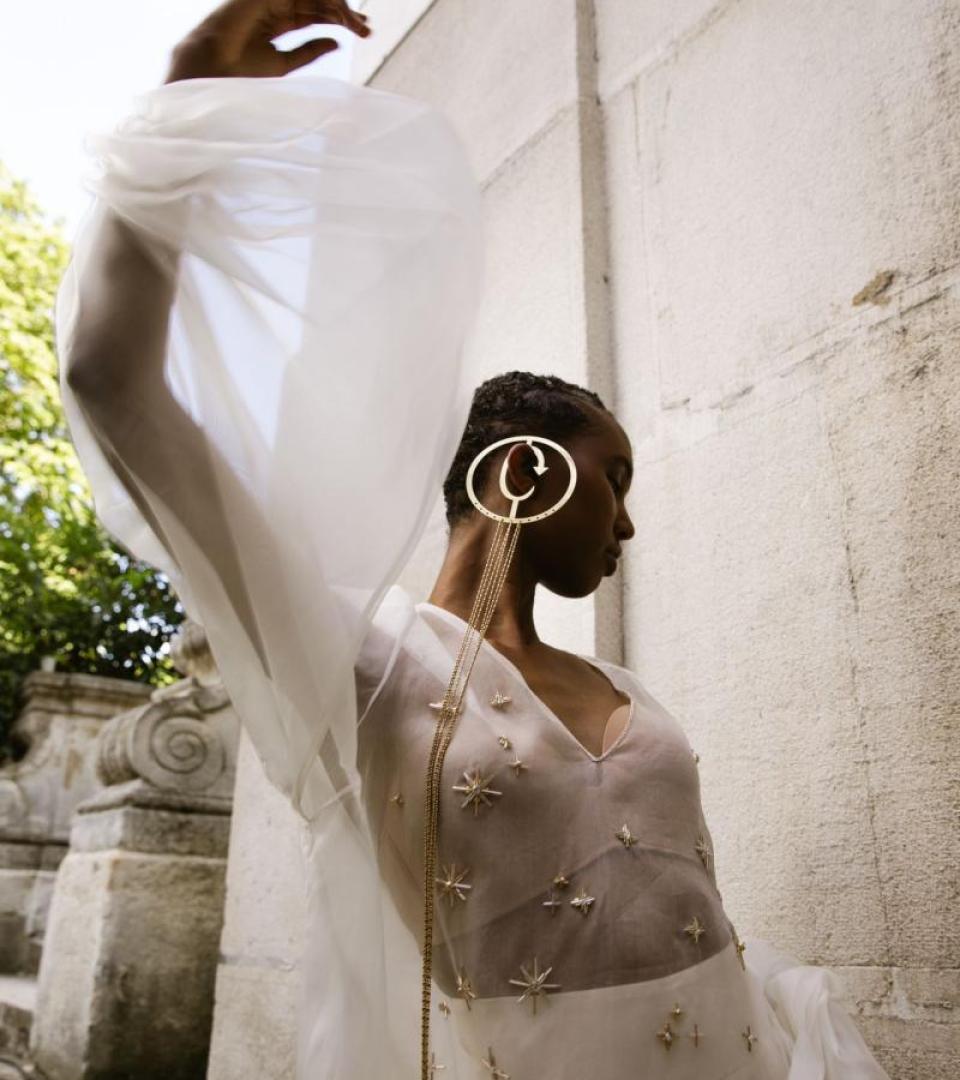
While Zimmermann is beloved for its soigné dresses, replete with elaborate prints of florals and other bucolic scenes, her daywear offering has increasingly gained a pragmatic touch. To achieve something fresh and effortless, Zimmermann continued to play with the tension between romance and something more grounded. She paired feminine elements like organza, lace, and silk with denim and utility-inspired pieces. Soft tailoring poses a counterpoint to silk georgette, slinky jersey and liquid silks that drape, twist and move with the body. Taking her appreciation for florals one step further, botanical motifs are hand-stitched, while the butterfly devoré balances couture-like craftsmanship.
“For me, it’s about constantly finding a new way into those codes,” said Nicky Zimmermann, in an email before the show. “The things we love remain the same, but the way we explore them changes – through a new technique, a different silhouette or an unexpected combination.”
What was the first image, idea or feeling that set the Spring-Summer 2027 collection in motion?
I kept coming back to strength, movement and colour, and this idea of finding strength in softness. I was drawn to the butterfly – not because of its delicacy, but because of its resilience and constant transformation. That became an important thread throughout the collection.
Your collections often begin with a very specific story or reference. How did that starting point evolve once you began actually designing the clothes?
As I started designing, the idea of transformation became very connected to movement. I wanted the clothes to respond to the body, so we explored draping, waves and fluid silhouettes. The butterfly became less about a literal motif and more about the feeling of movement and change.
Were there any materials or techniques that allowed you to express the mood of this collection in a new way?
Movement was really important, so we worked with organza, silk georgette, slinky jersey and liquid silks that drape, twist and move with the body. We also pushed denim in a new way, with hand-placed botanical motifs and waves that give it dimension and movement. The butterfly burnout pieces were particularly exciting because the technique creates this sense of movement directly on the fabric.
Australian culture and history frequently surface in your work. What continues to make Australia such a productive source of inspiration for you, particularly while showing in Paris?
Australia is simply part of who we are. Our studio is in Sydney and I’m constantly inspired by Australian artists, filmmakers and the landscape around us. I love bringing those references to Paris and seeing how they can take on a new life in a different context.
This interview has been lightly edited.