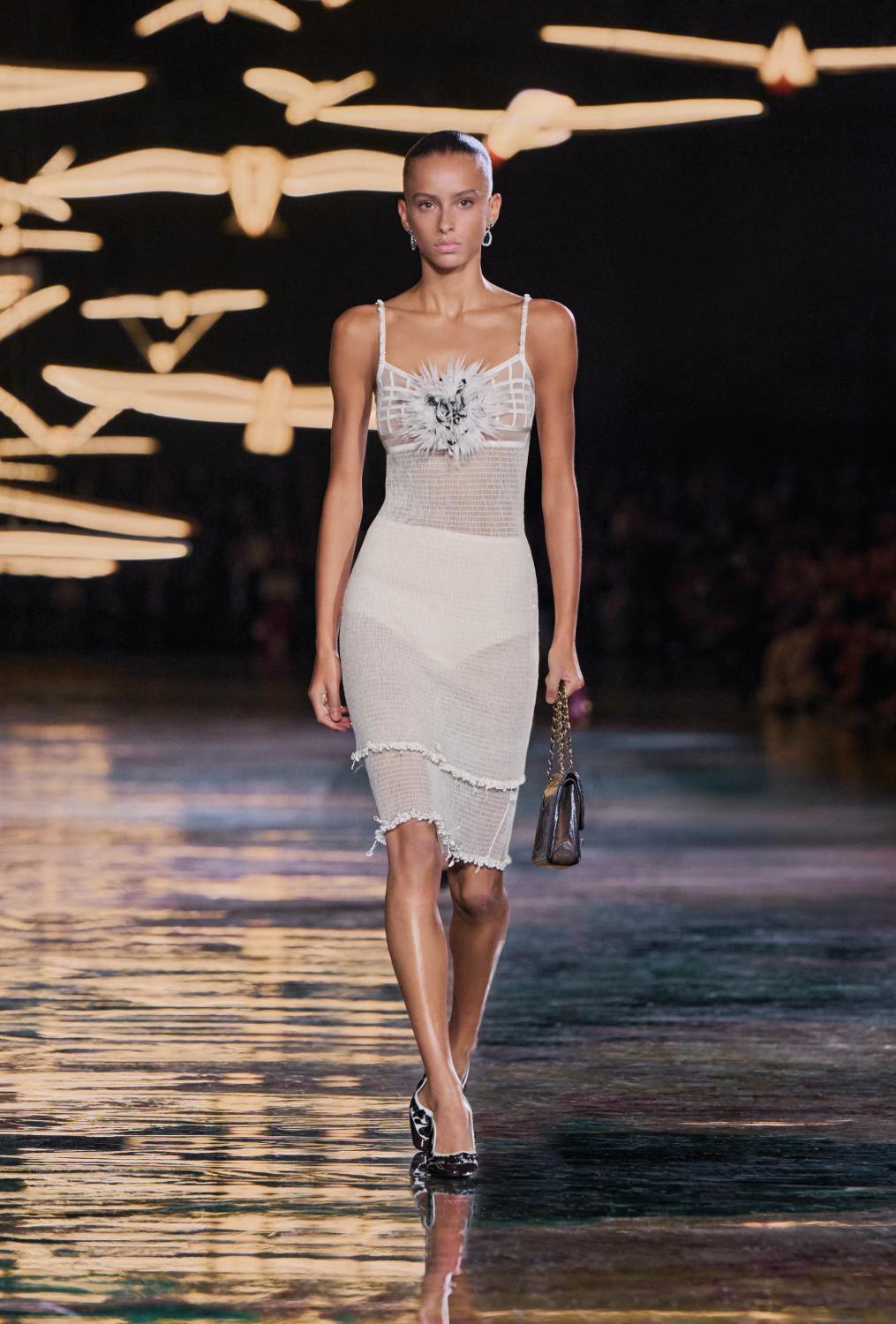
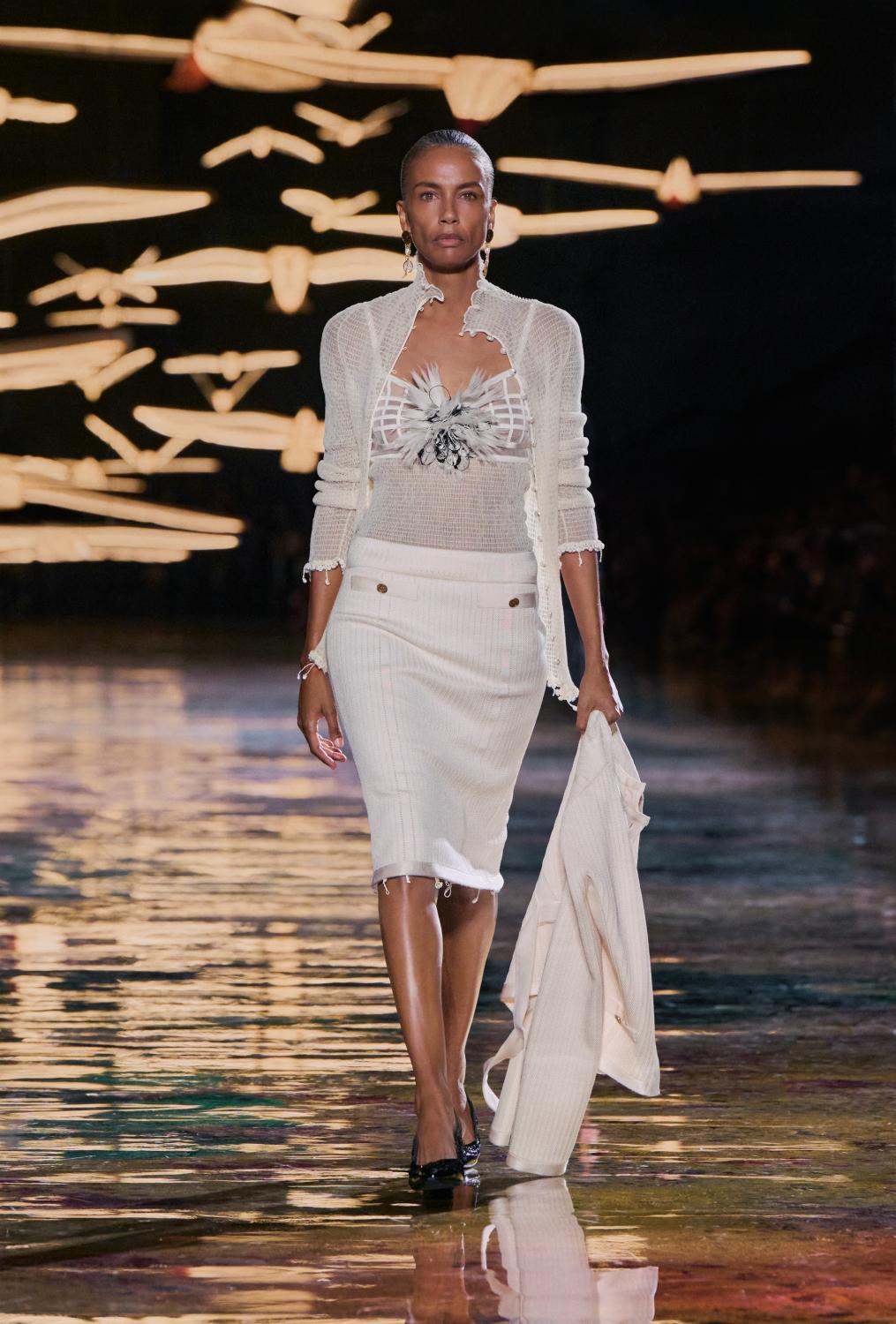
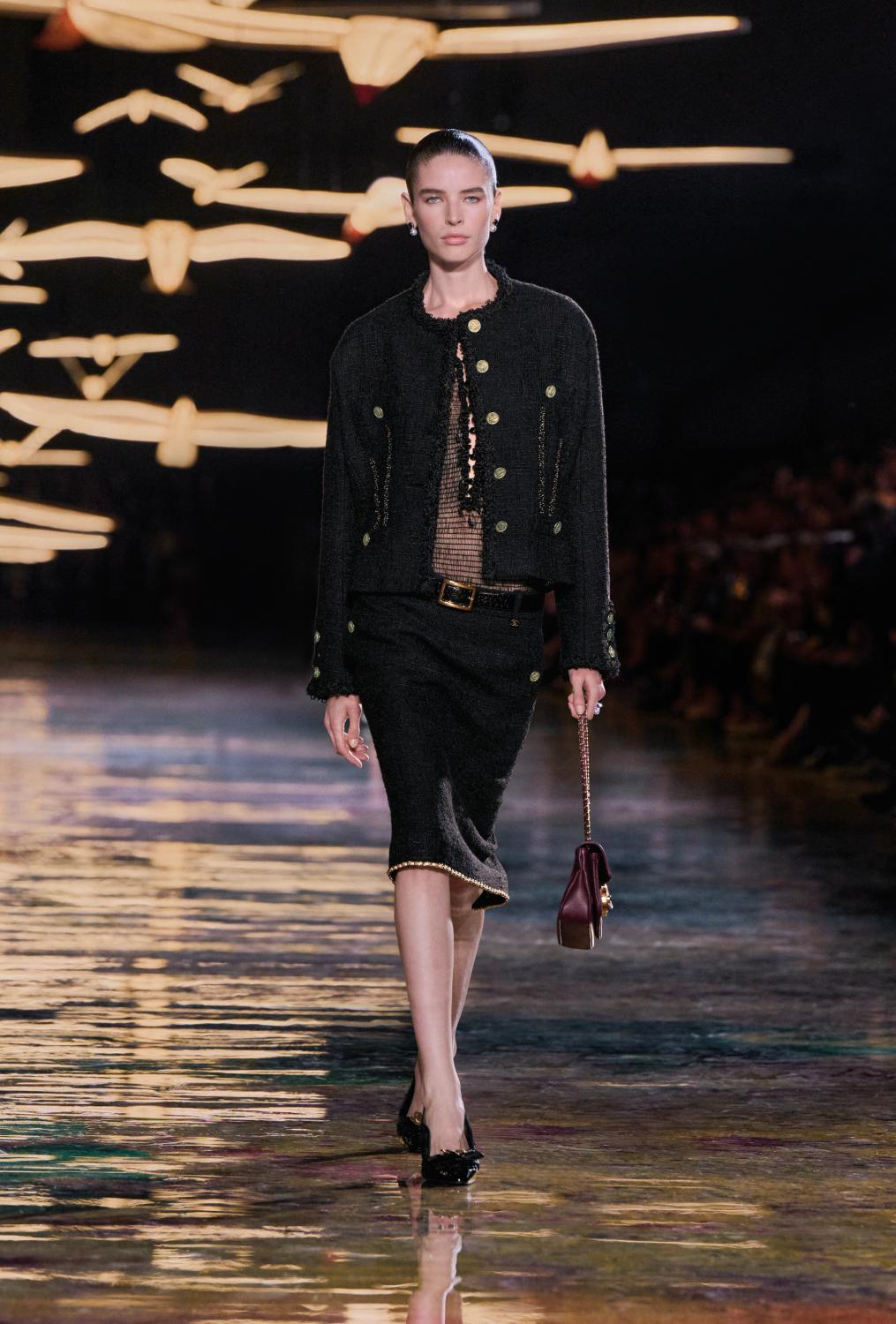
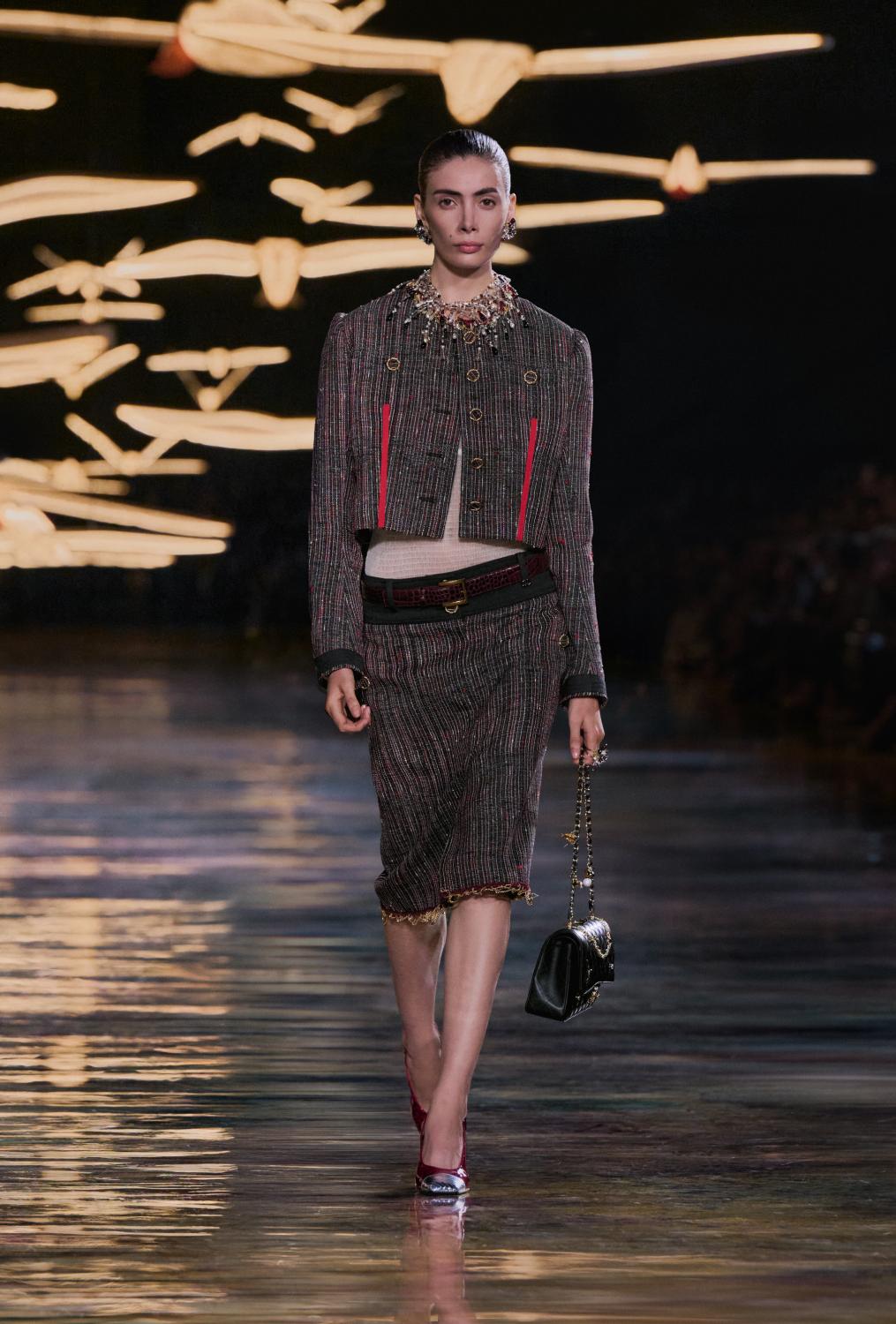
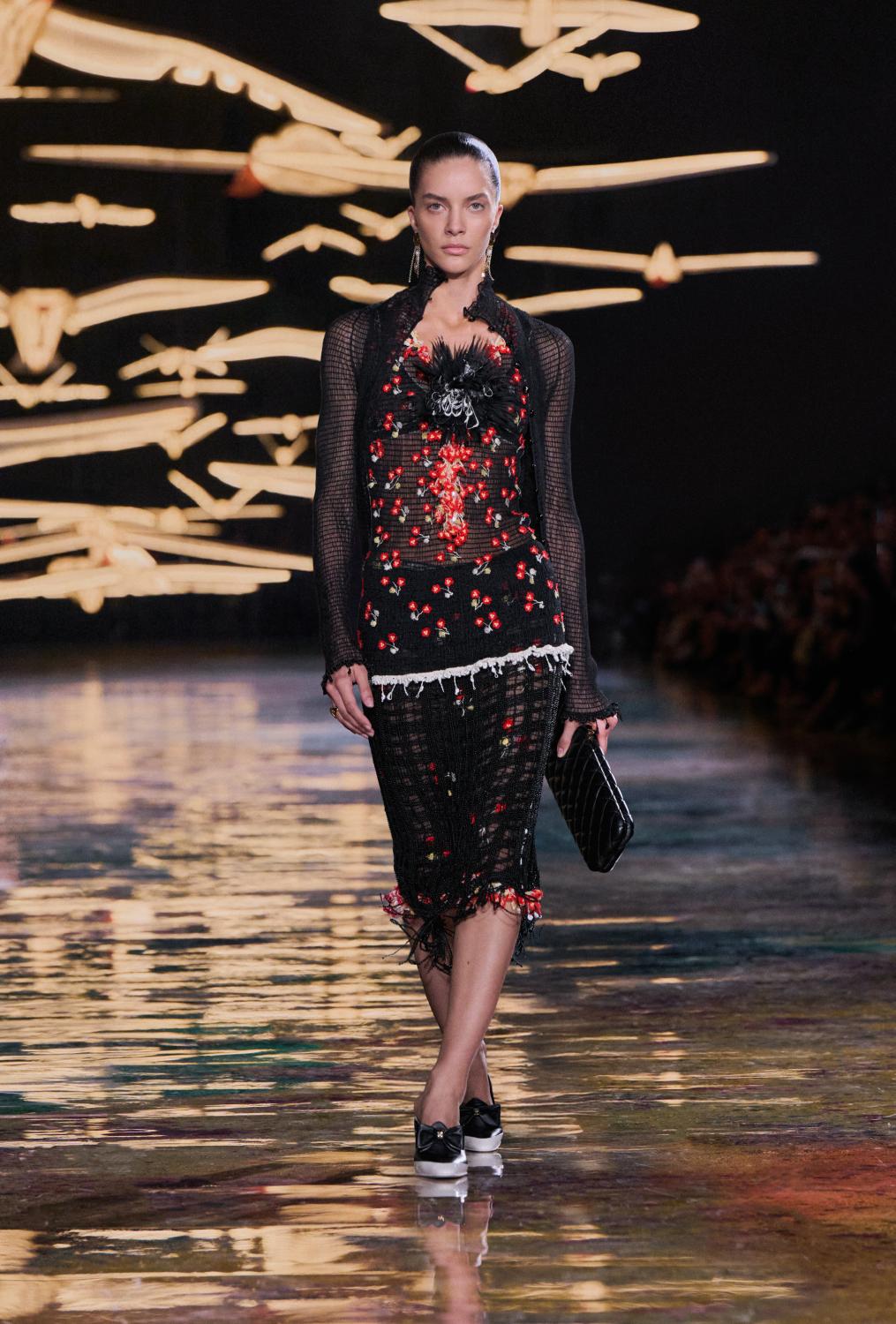
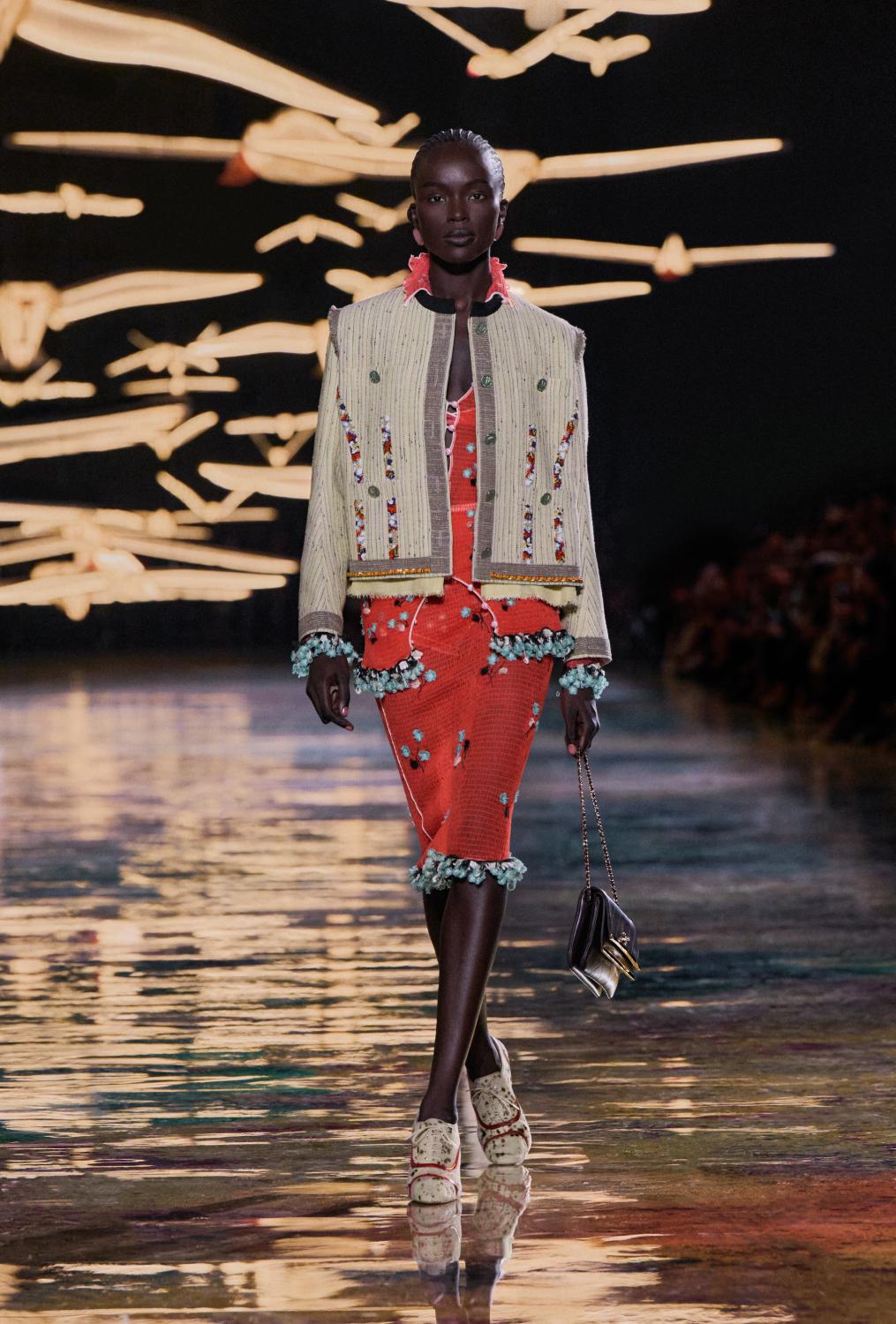
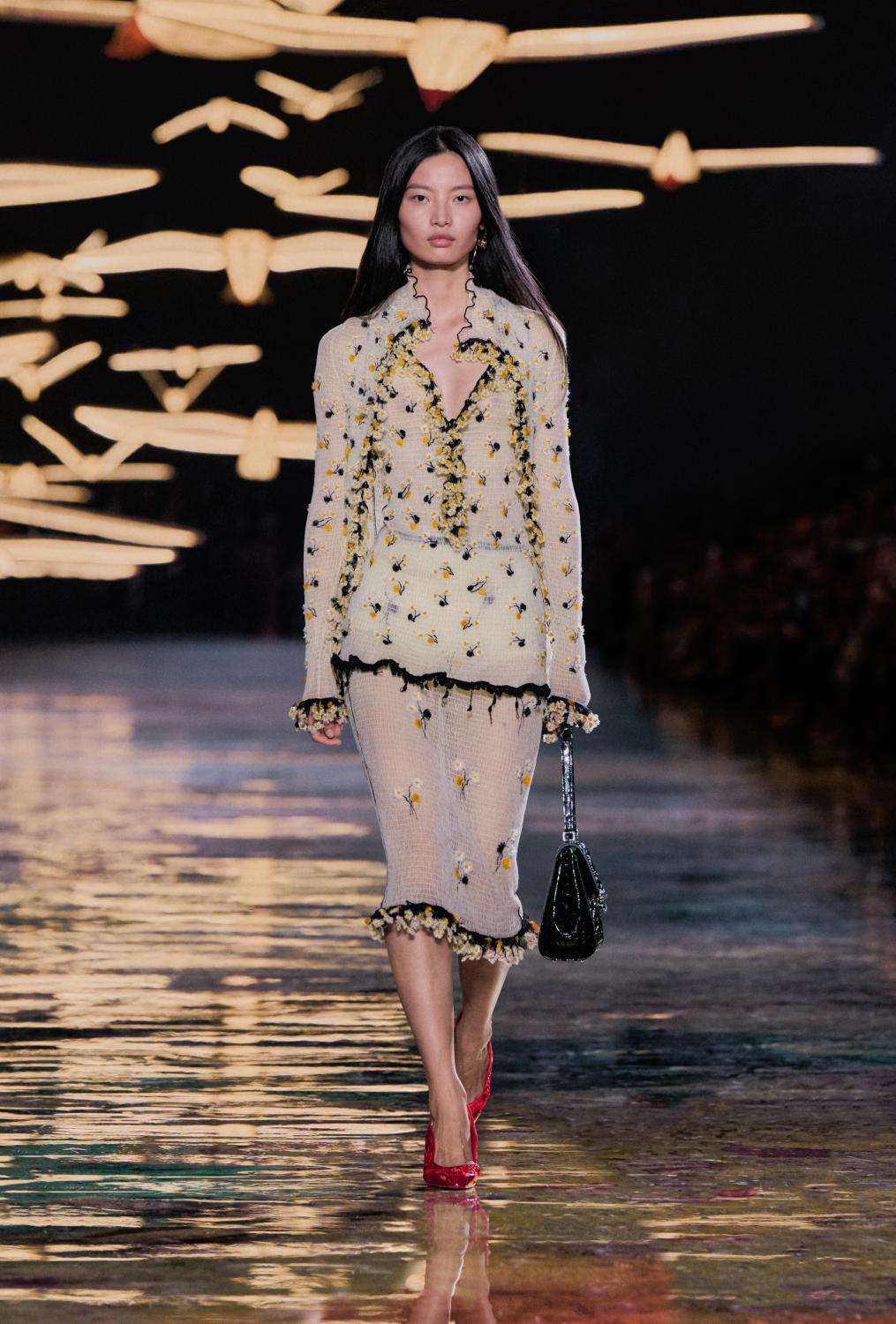
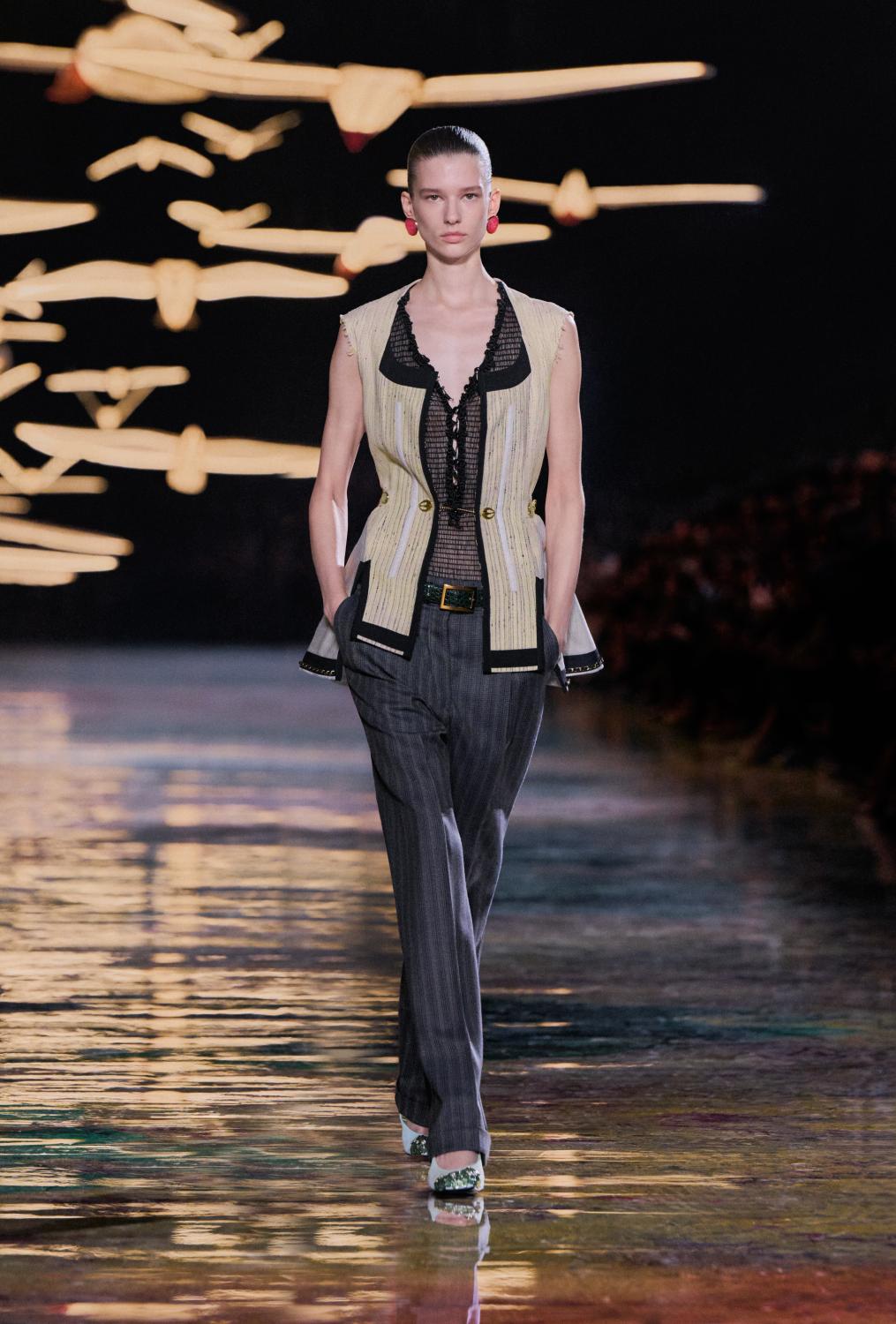
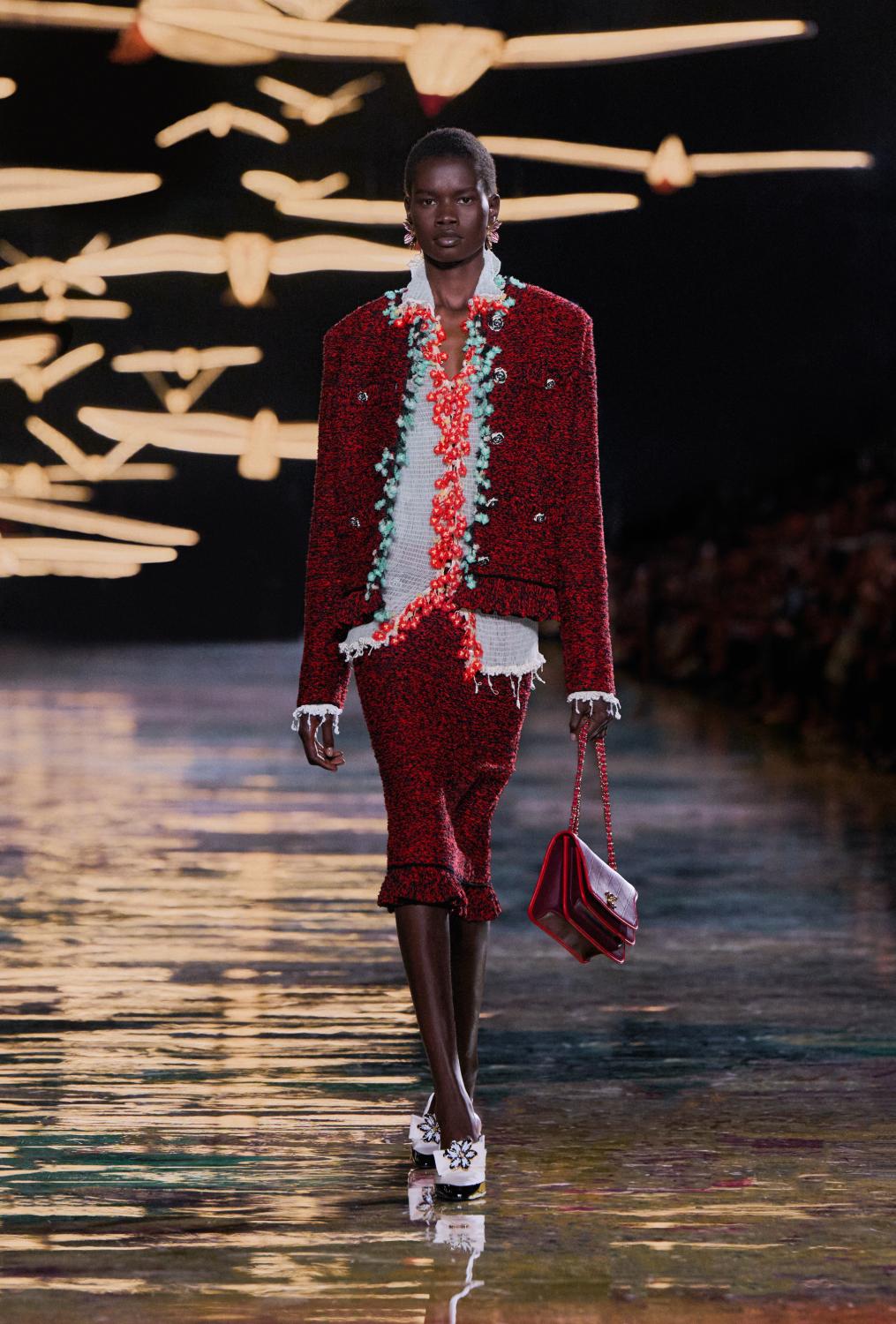
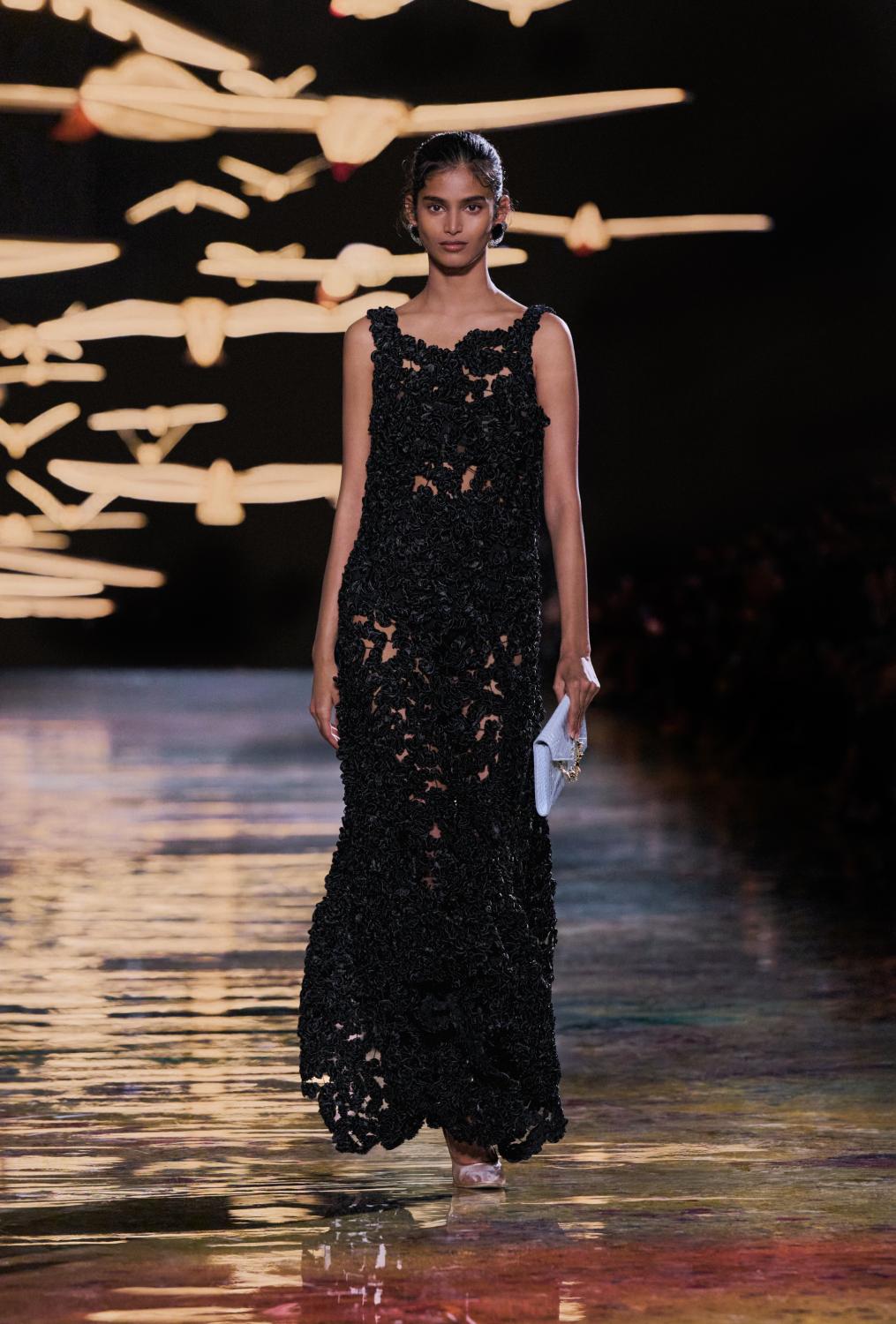
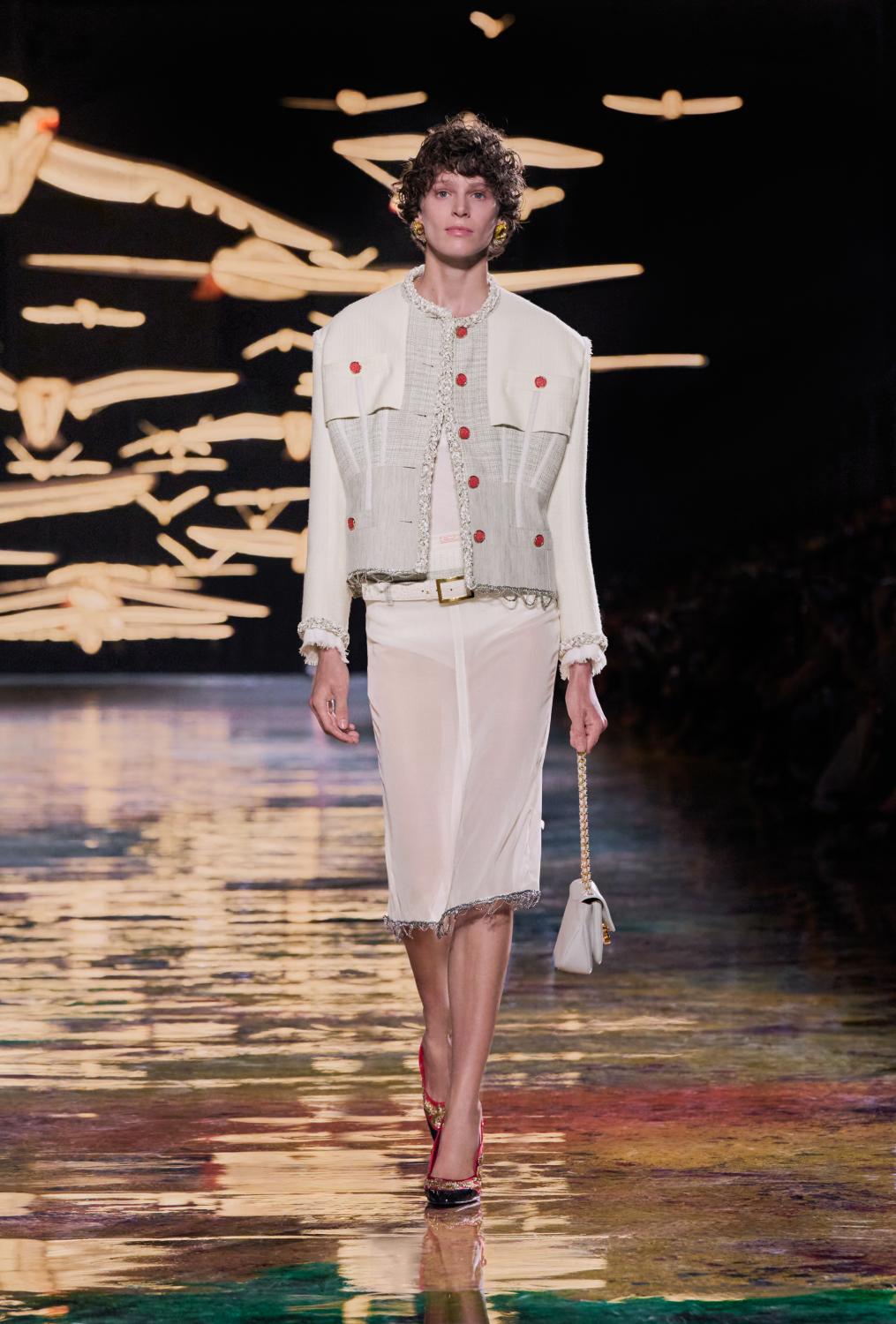
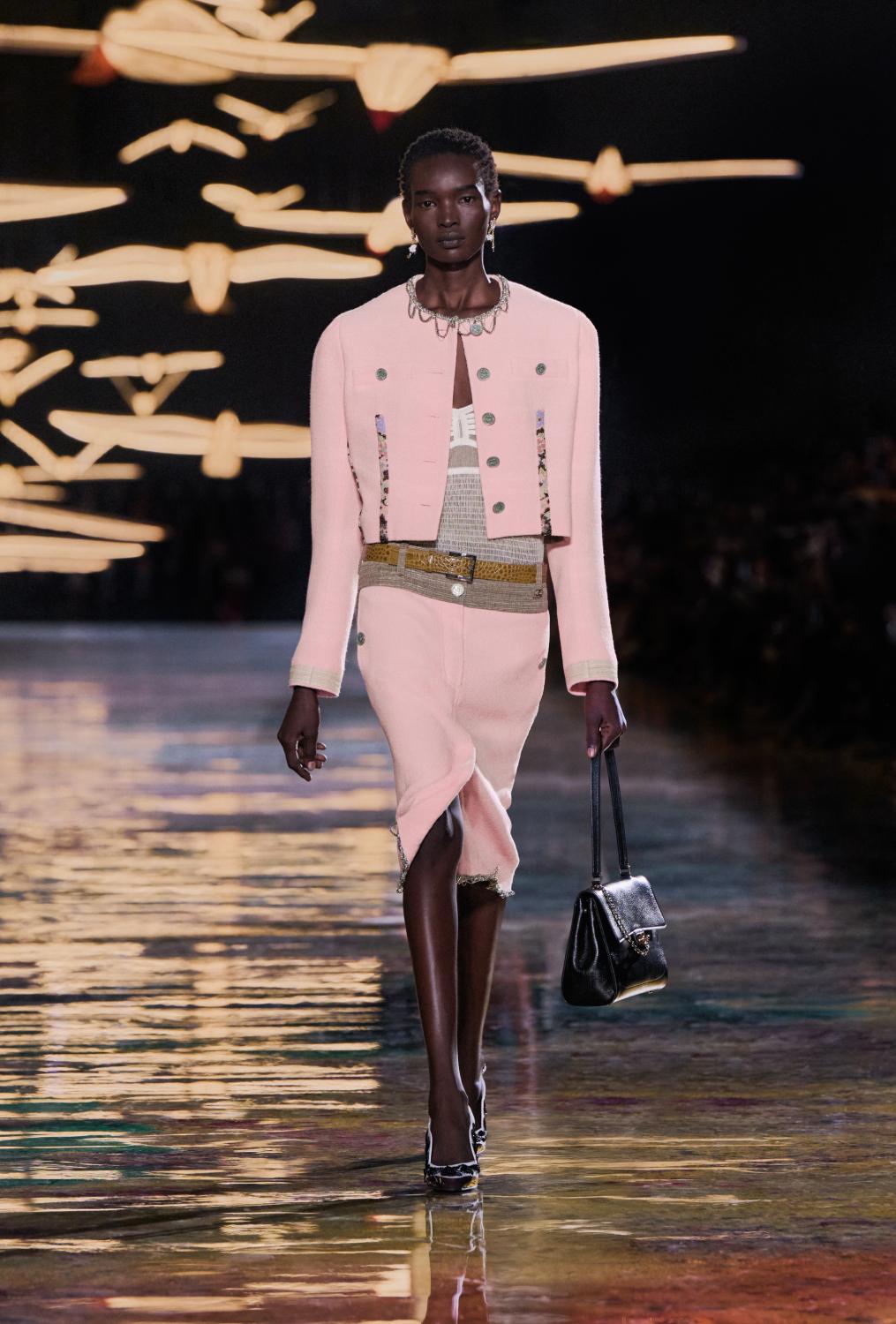
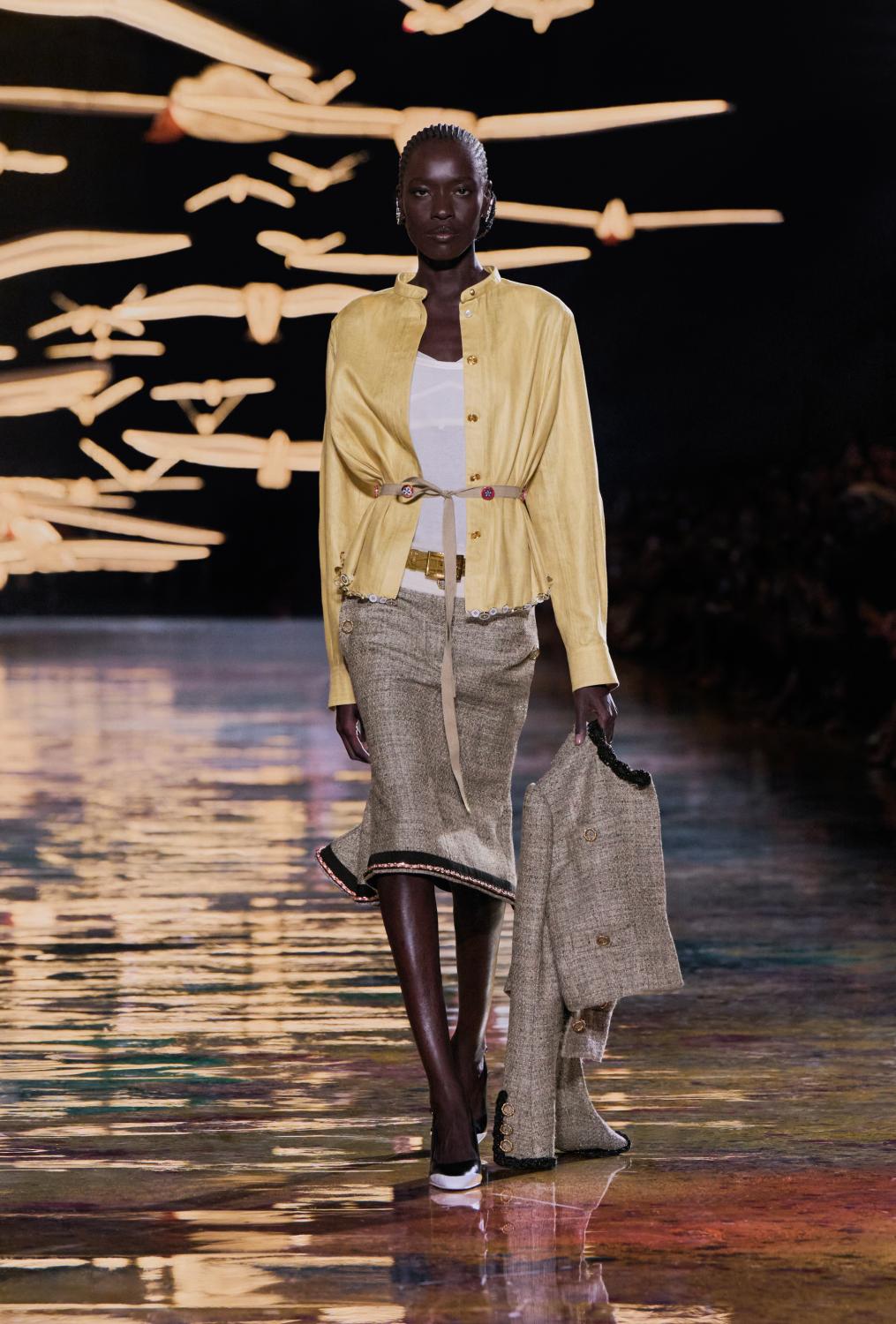
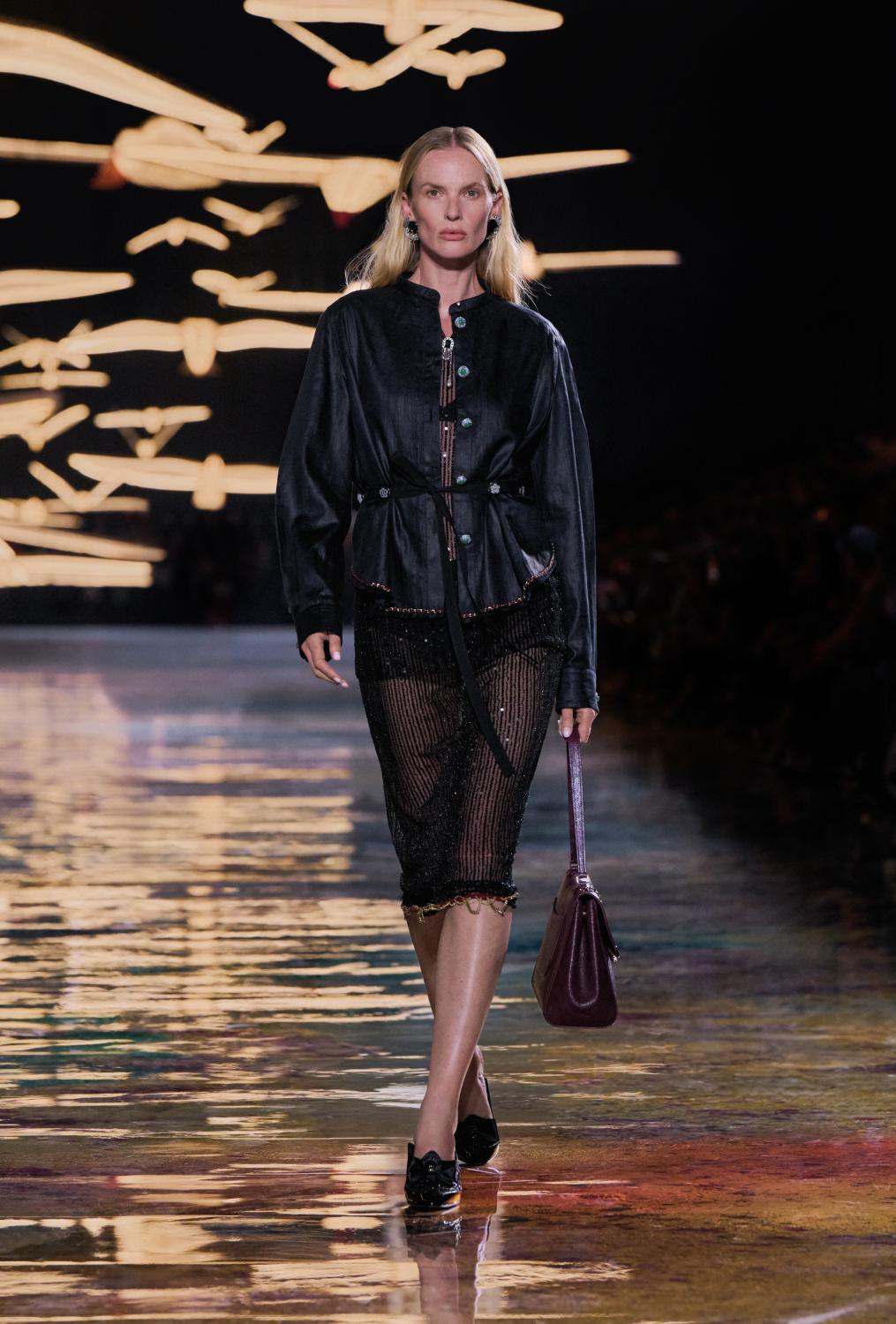
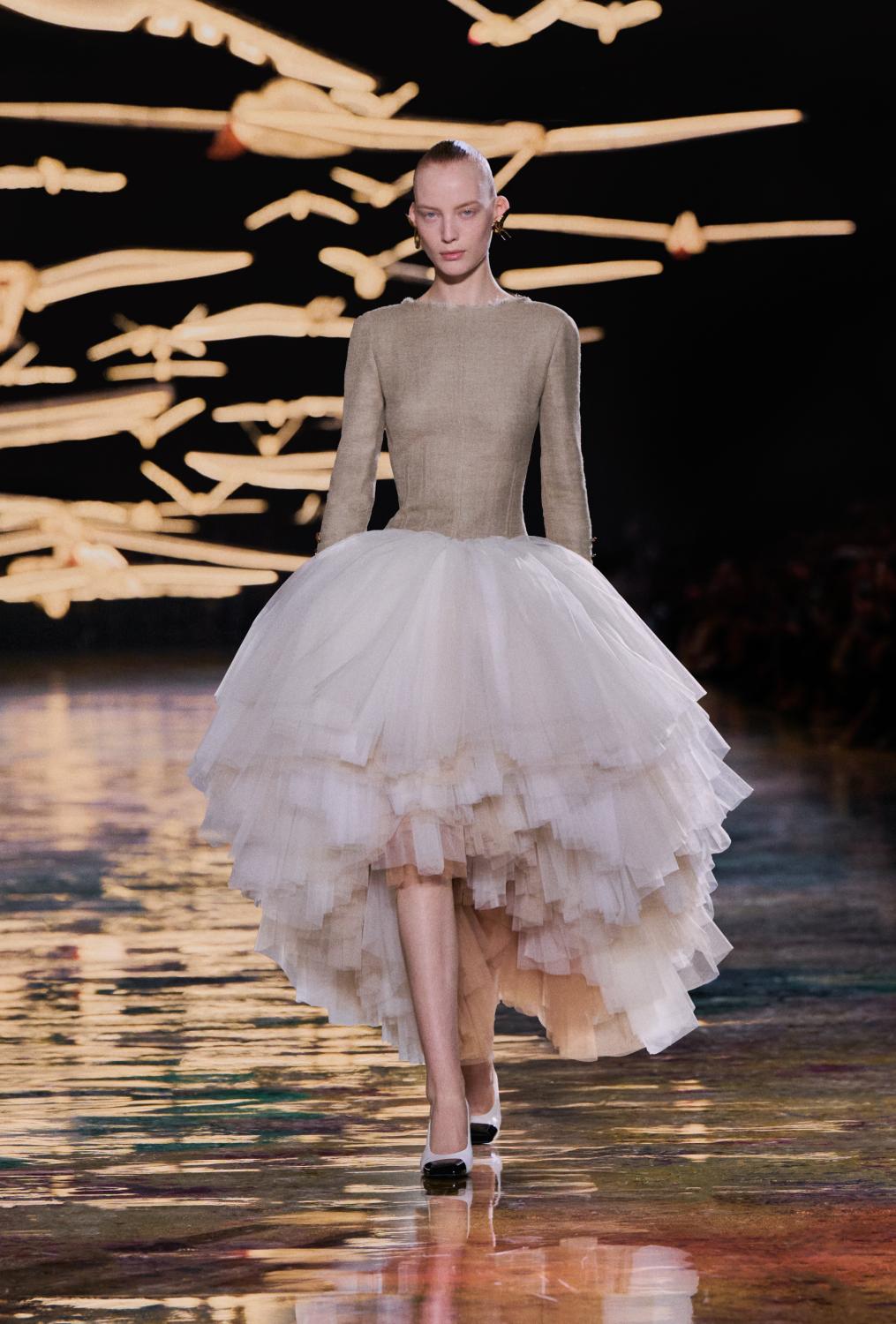
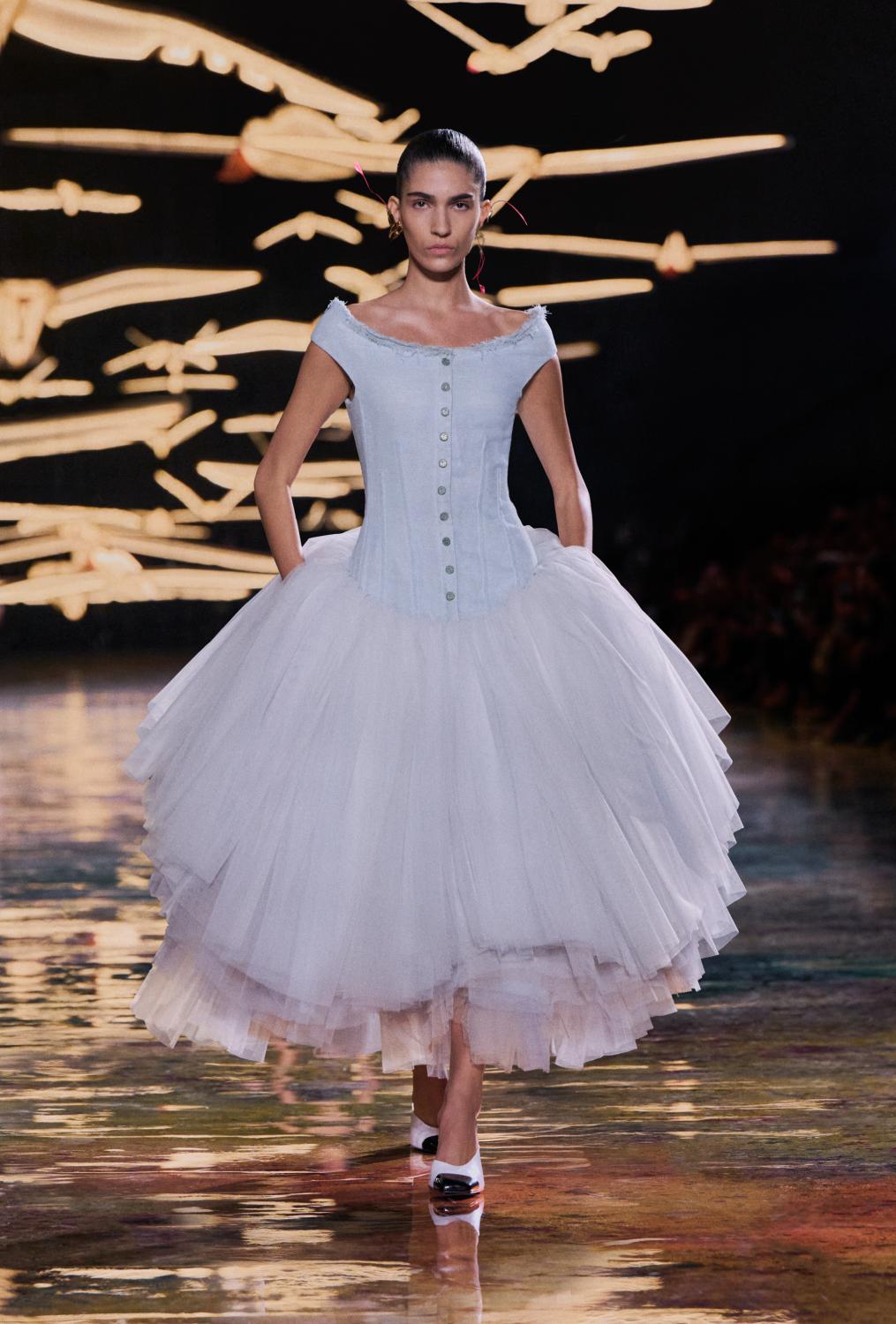
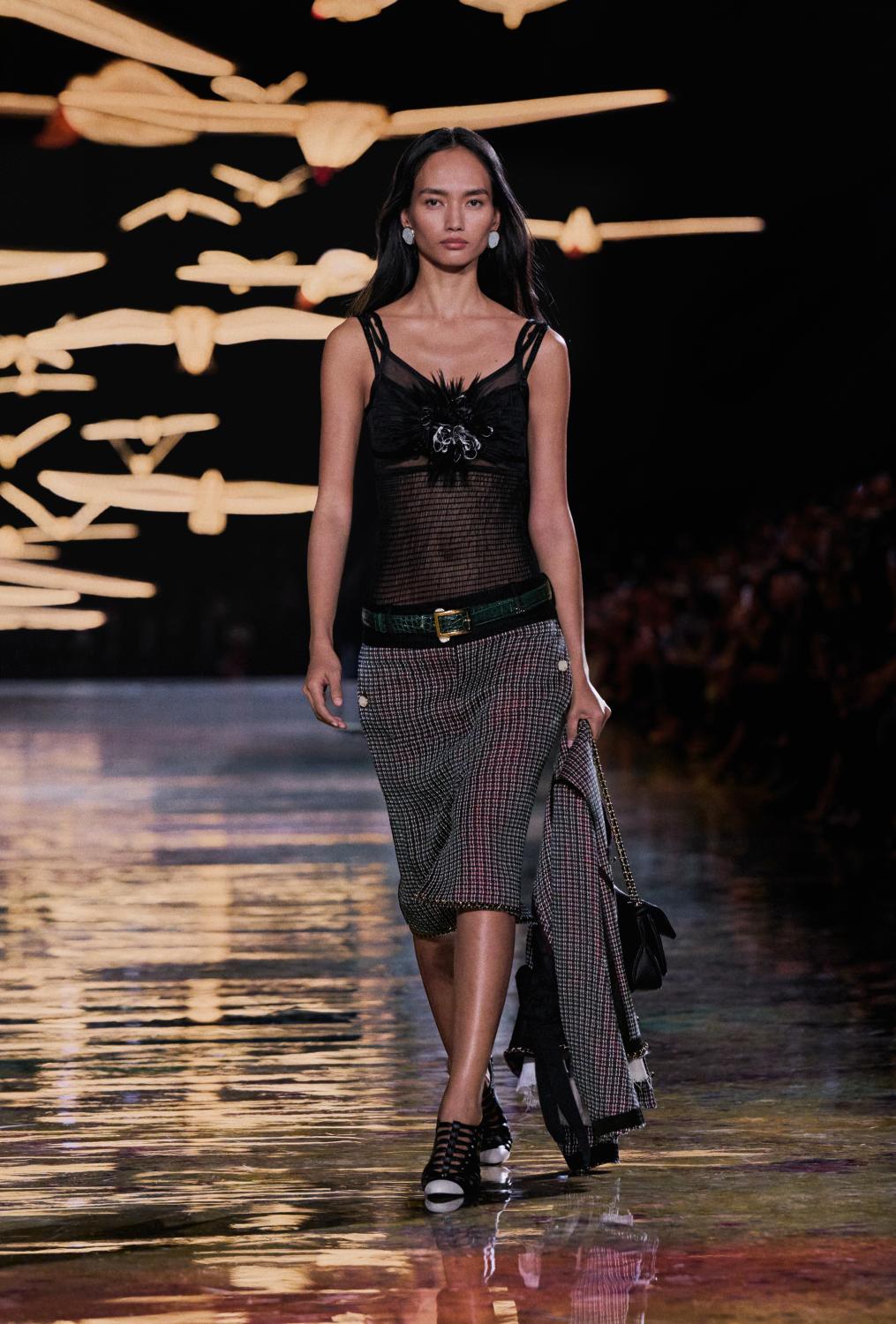
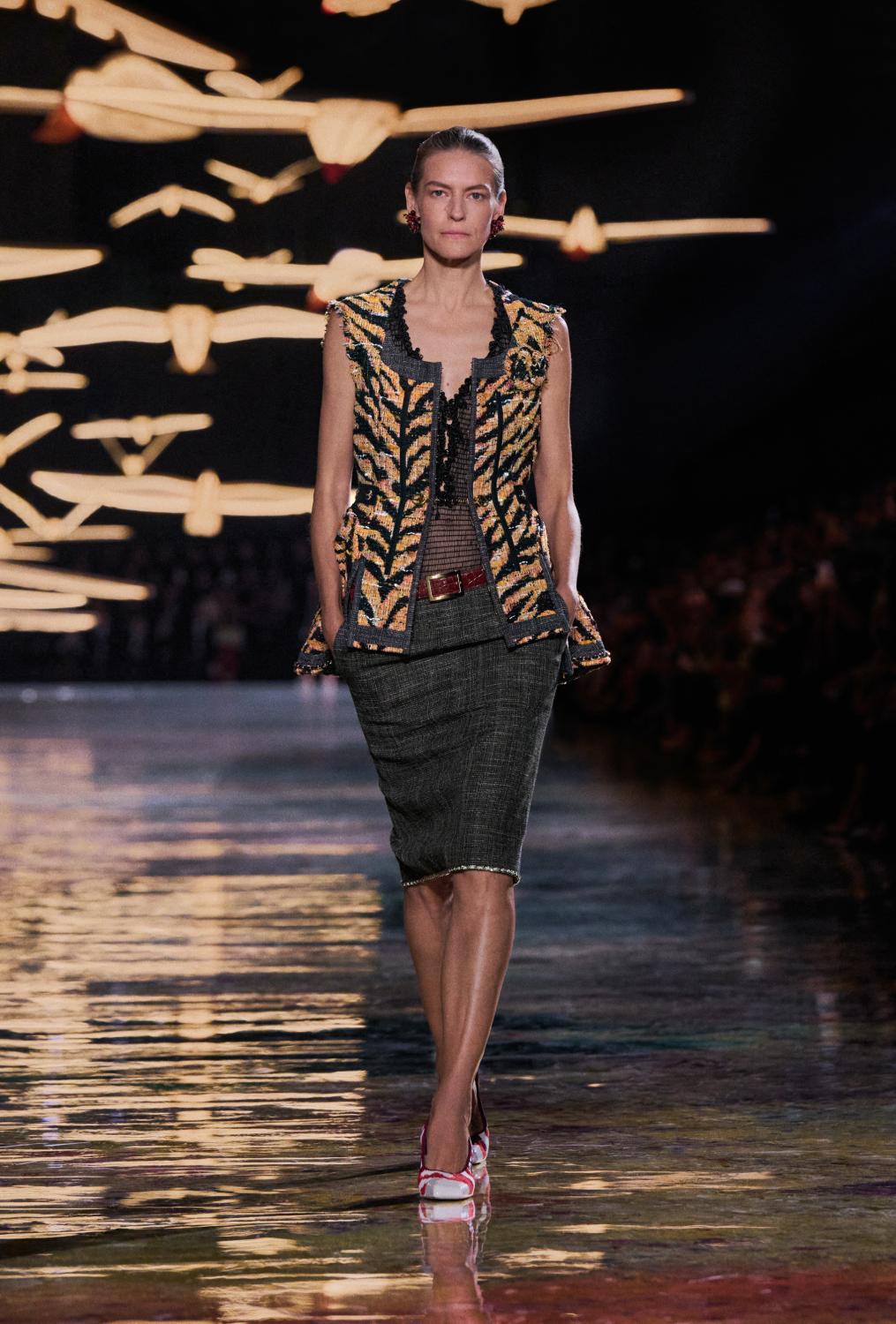
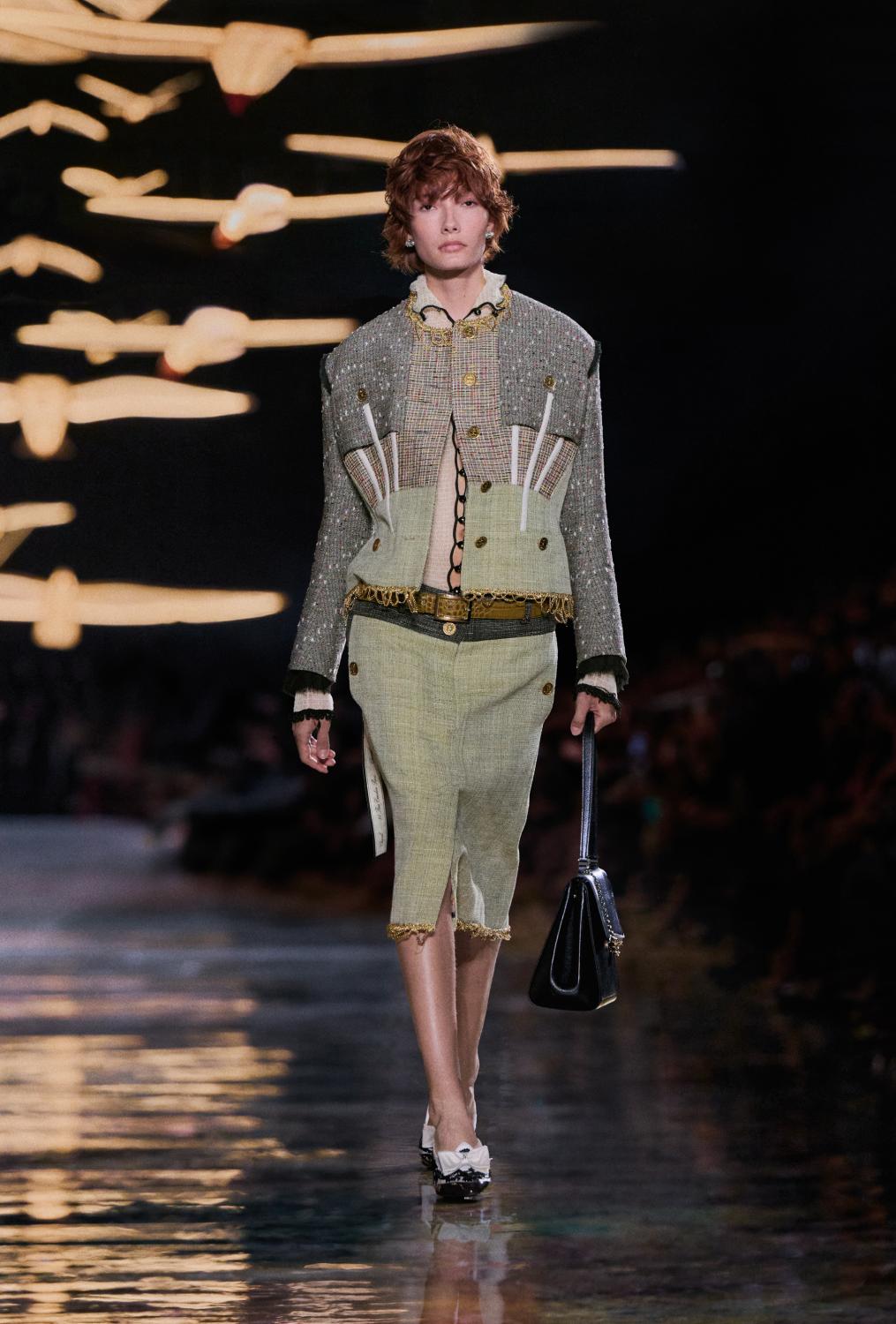
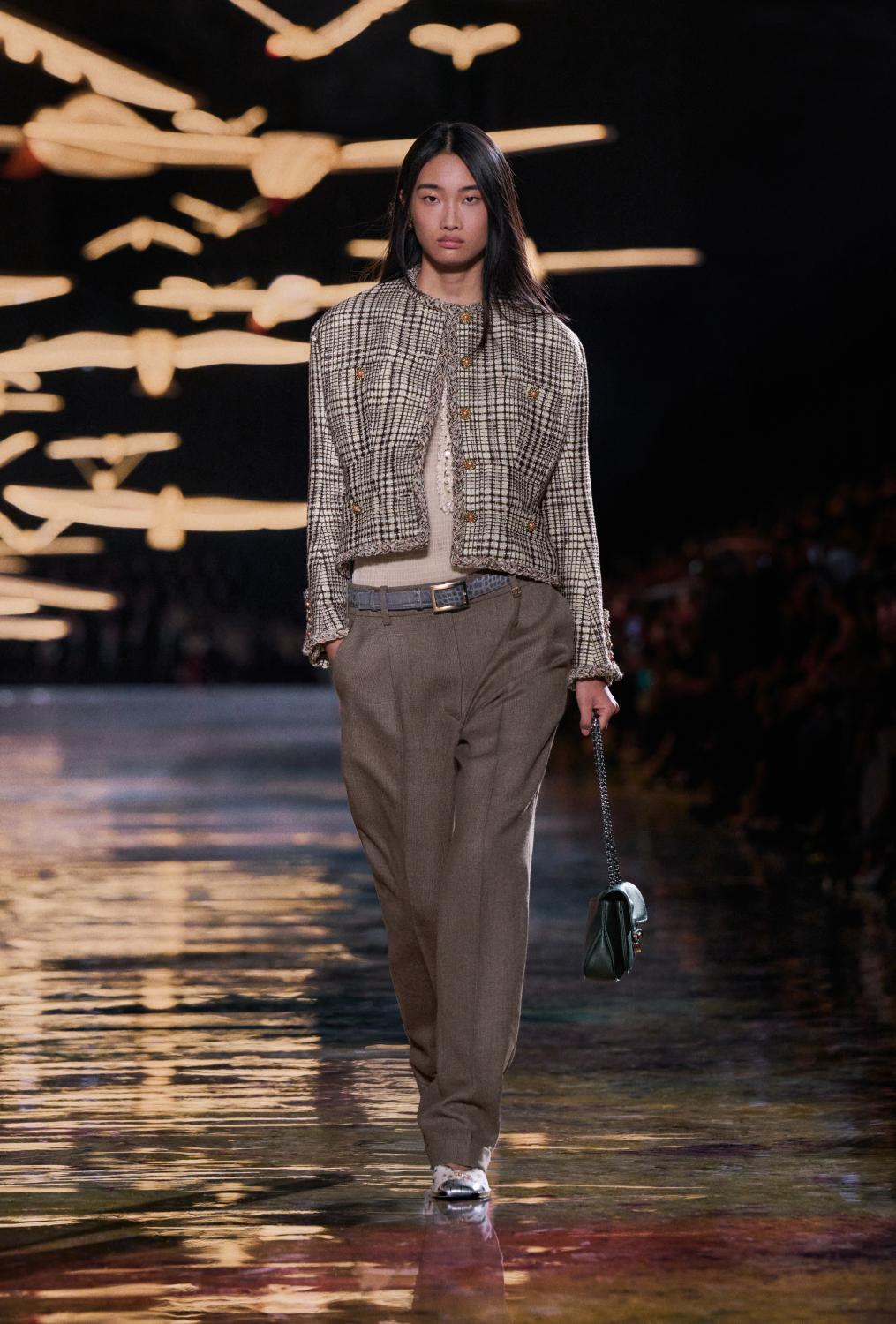
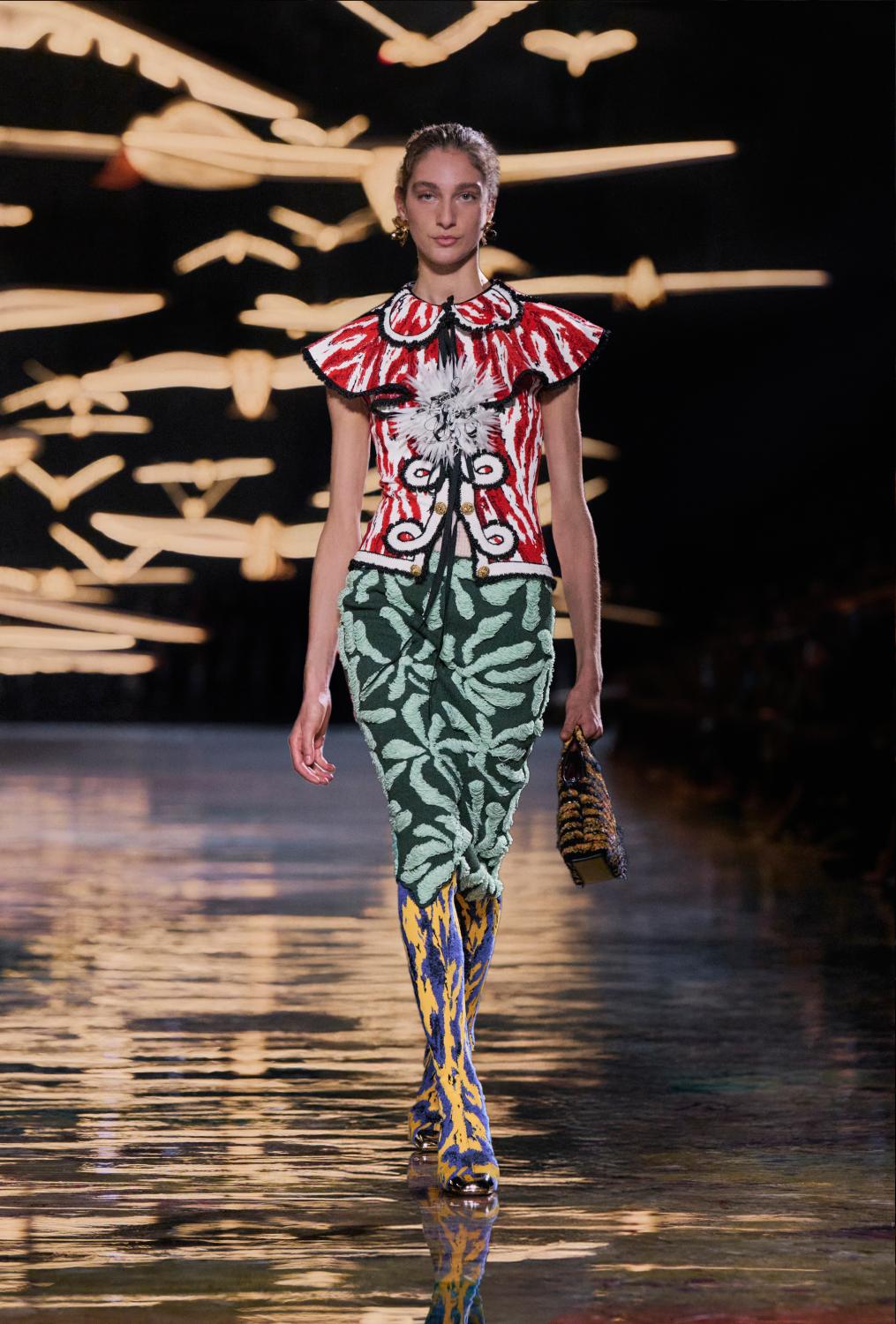
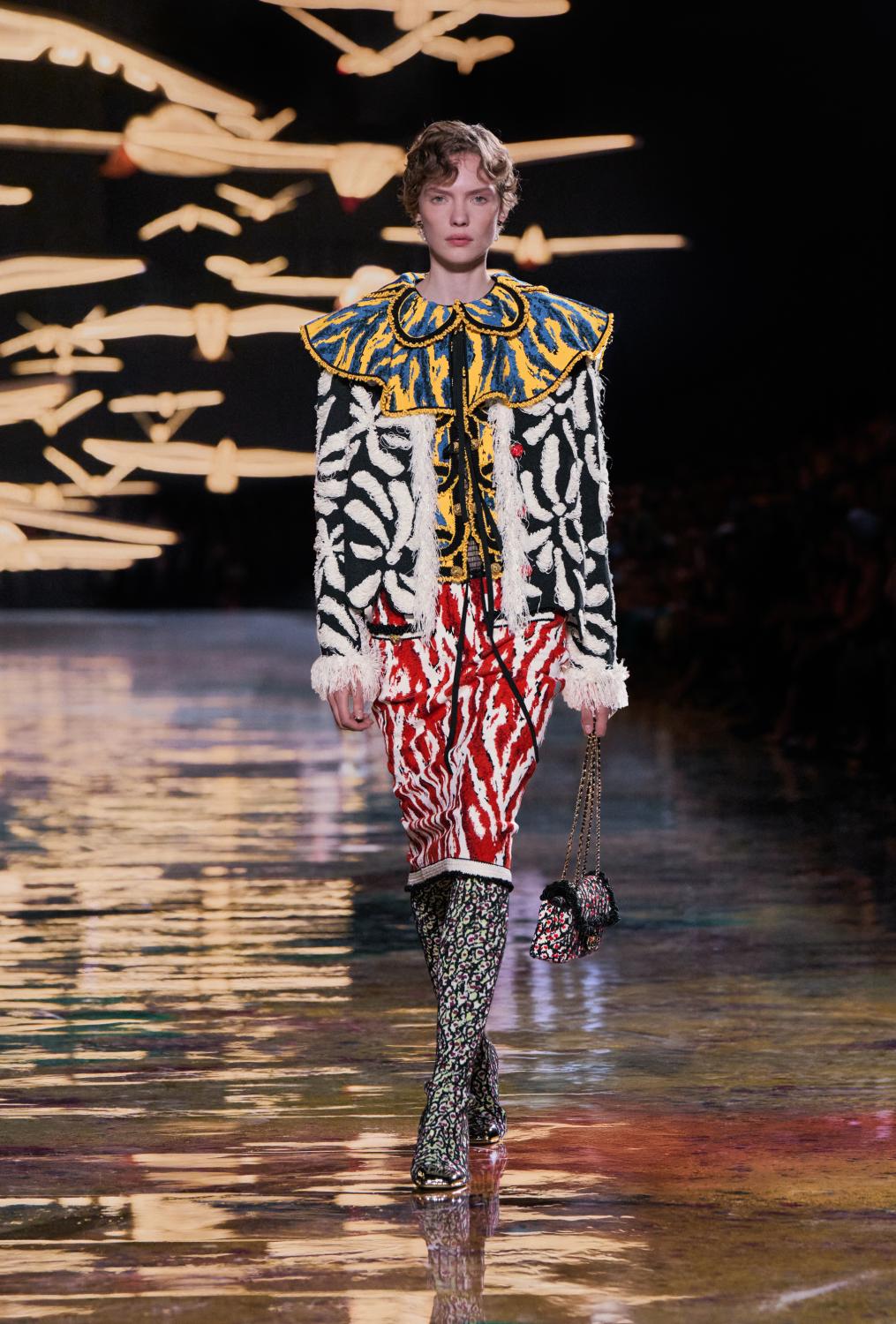
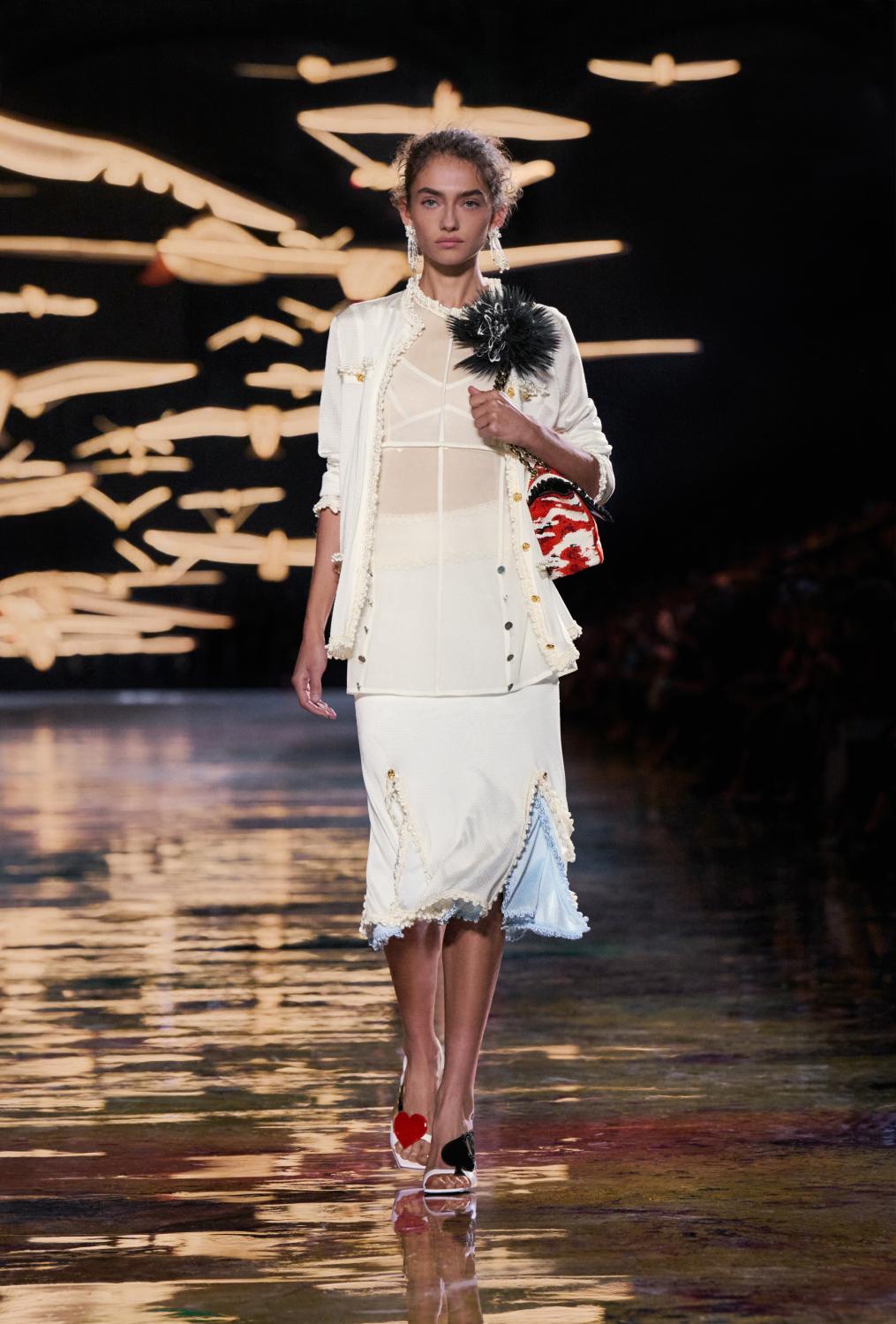
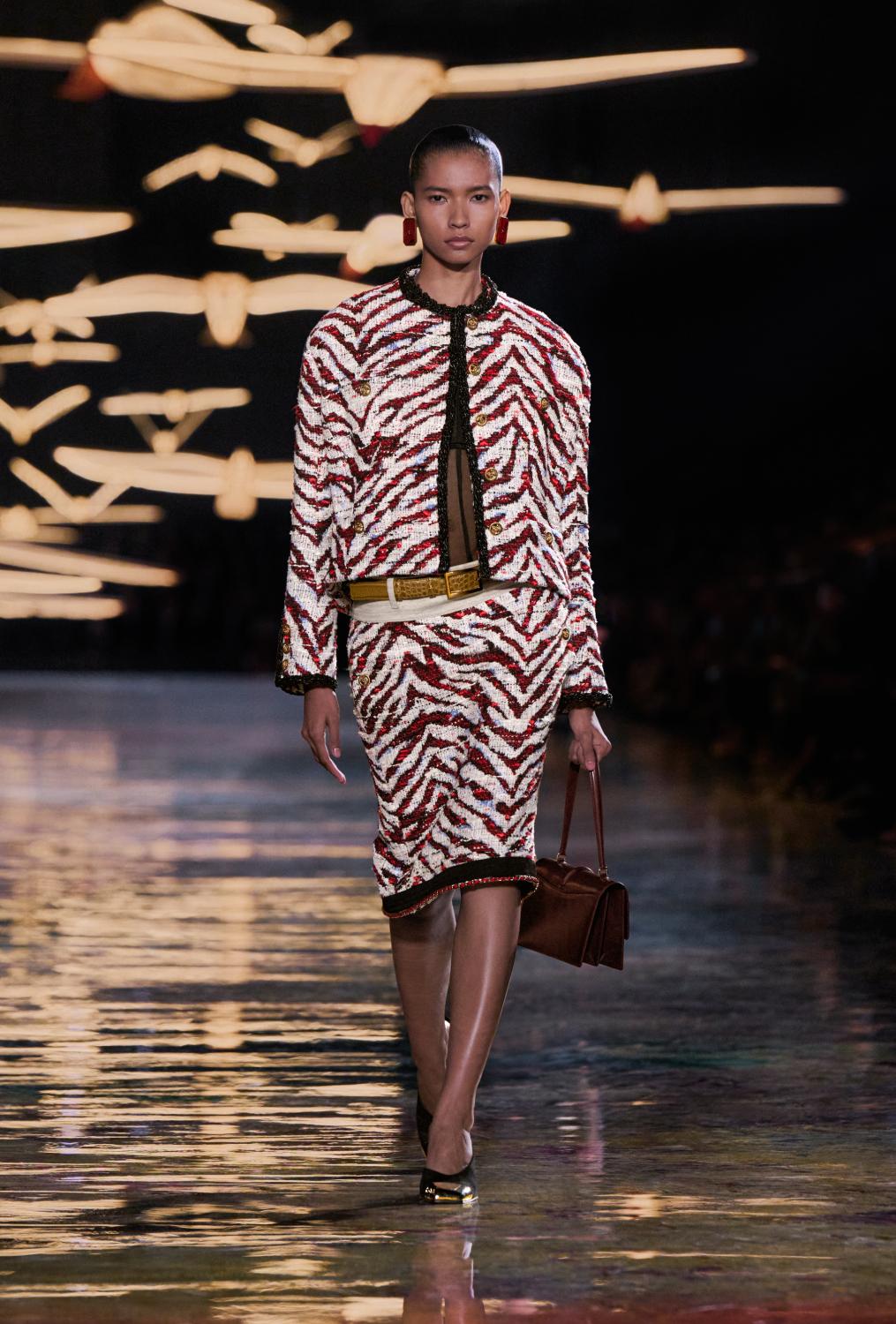
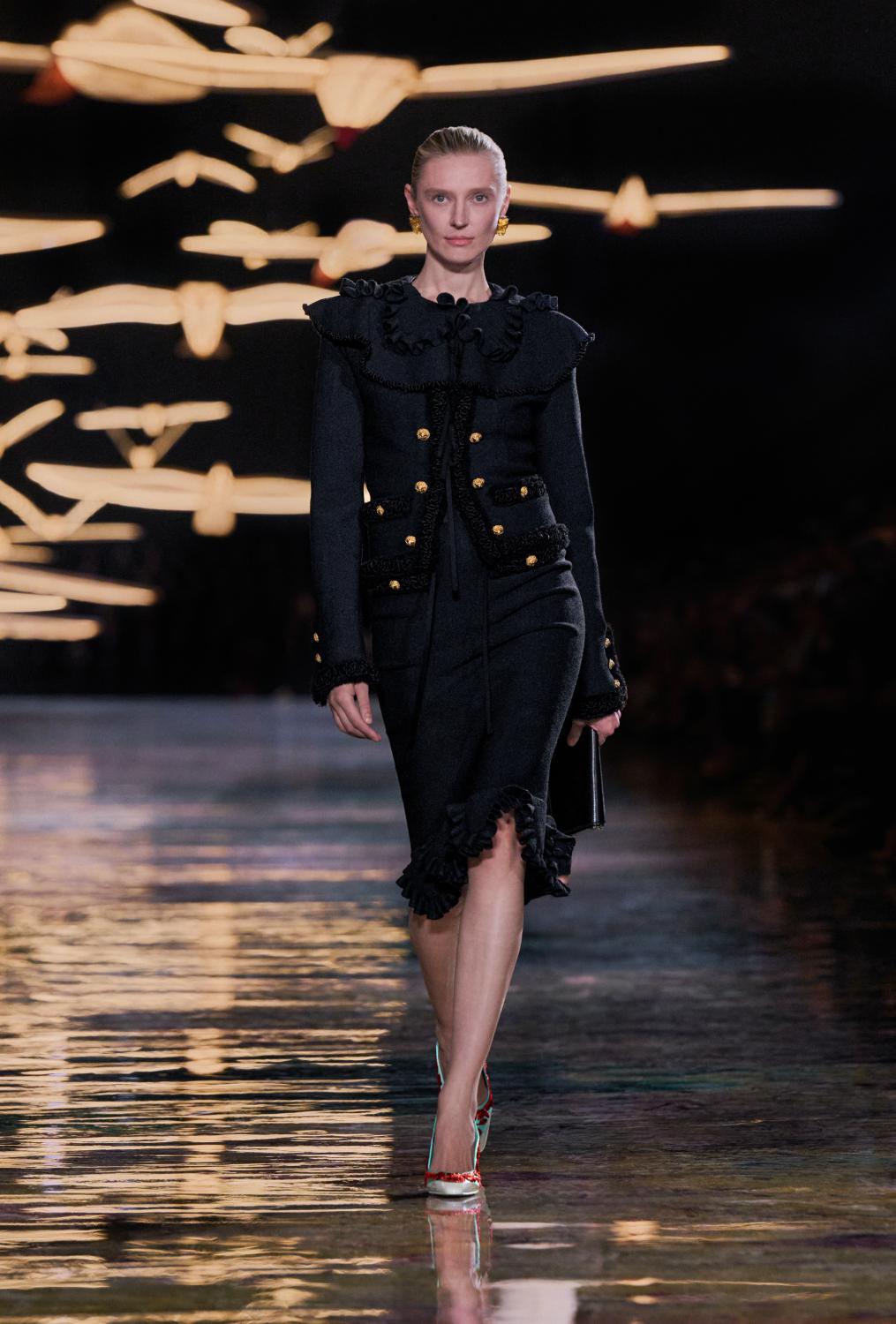
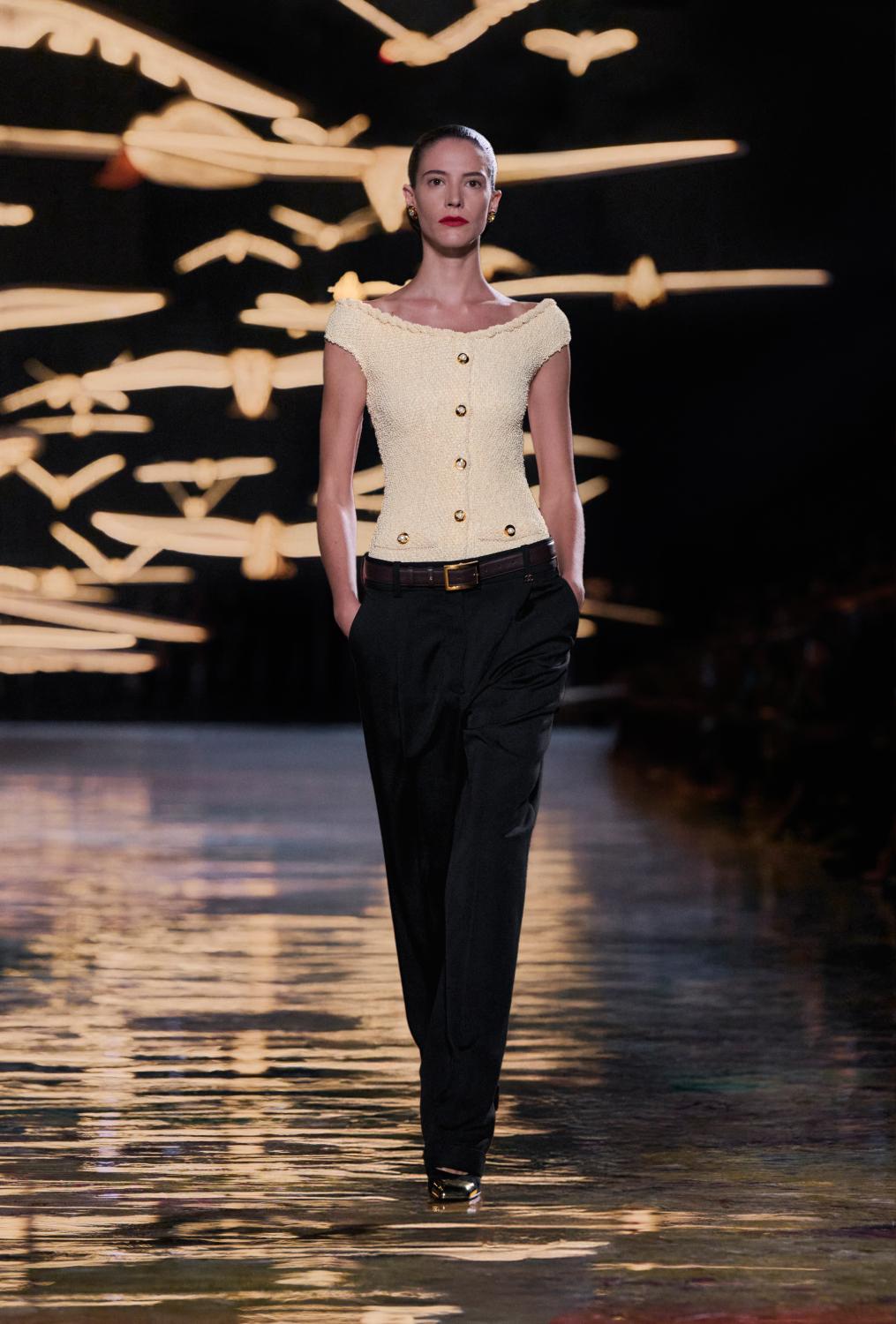
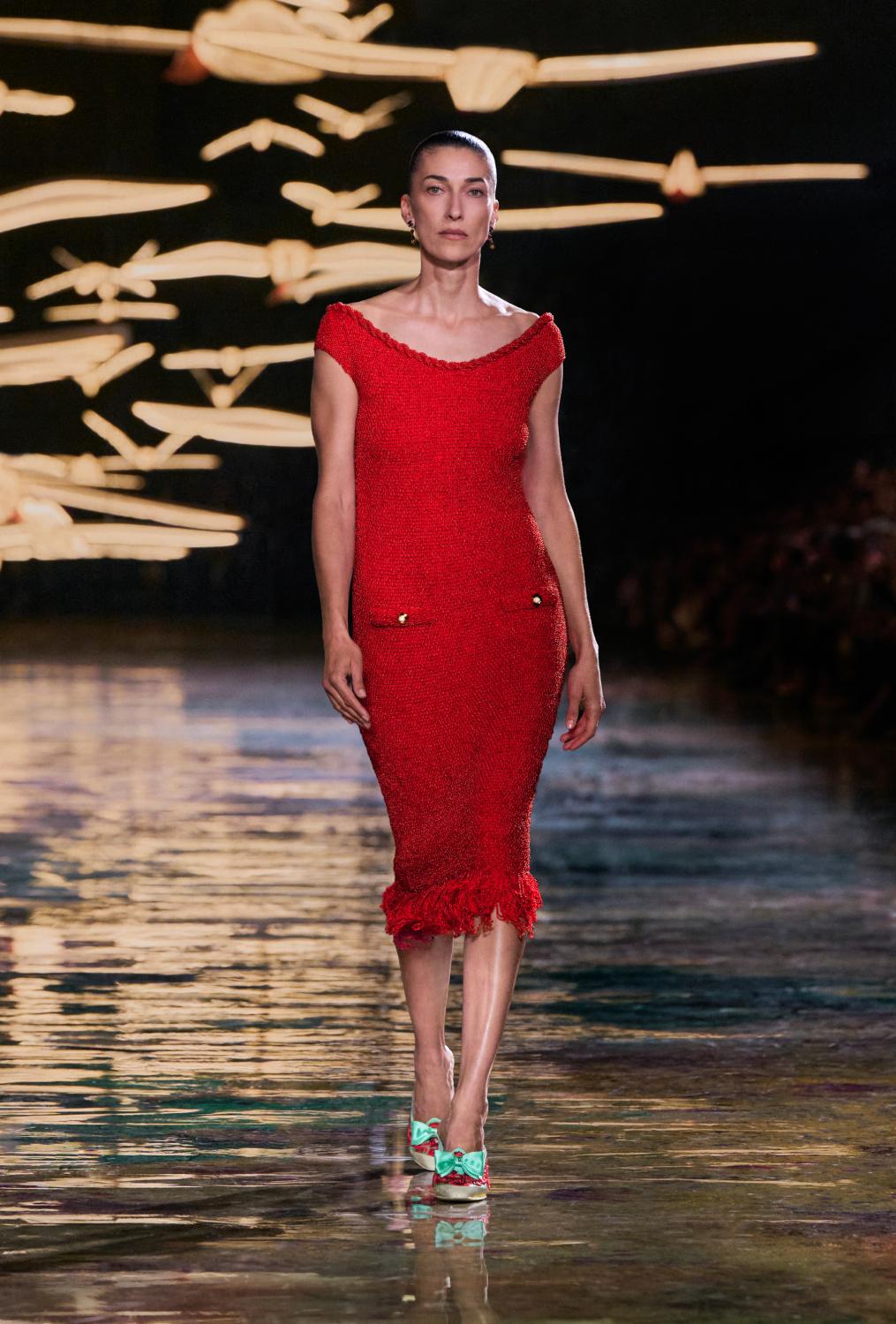
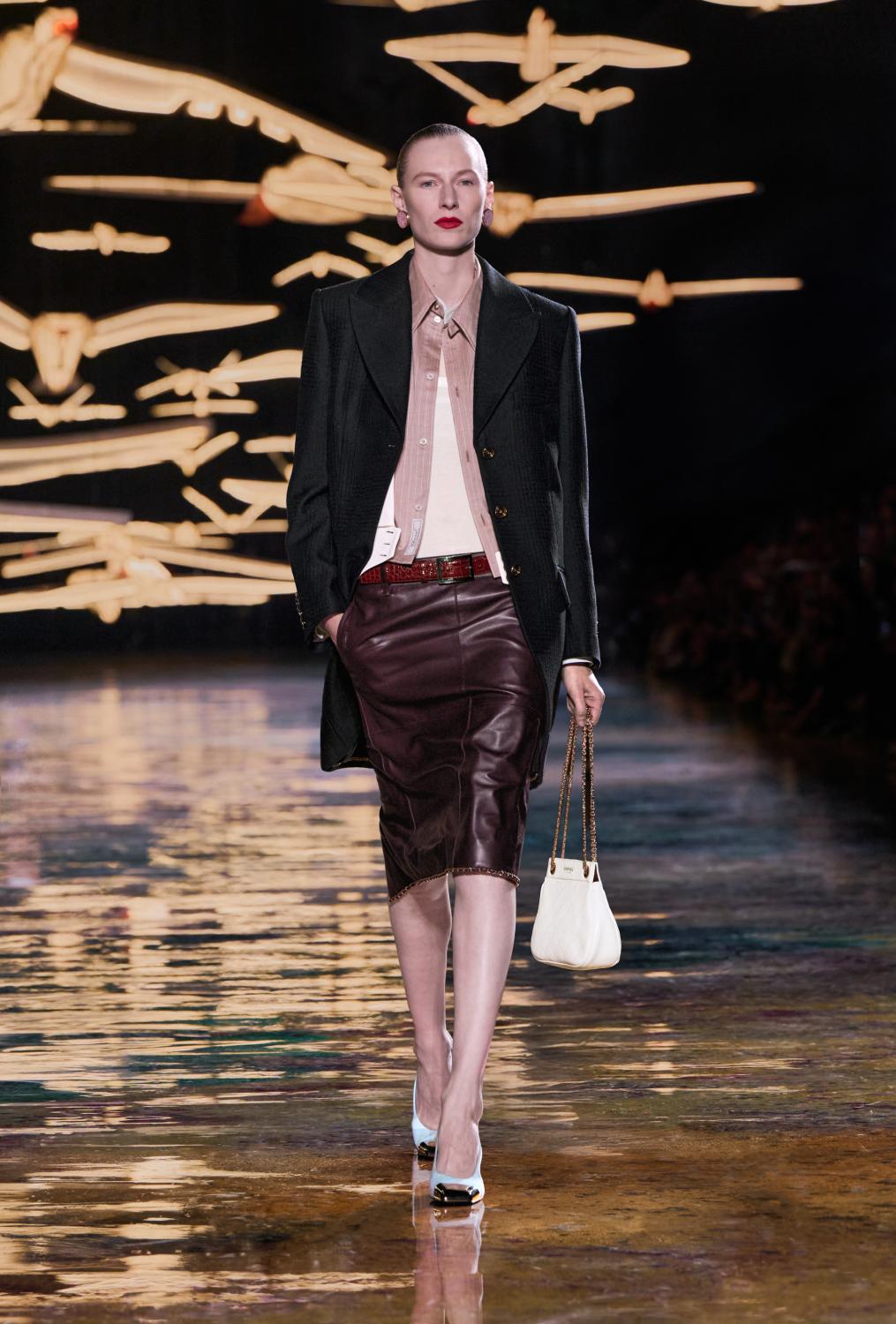
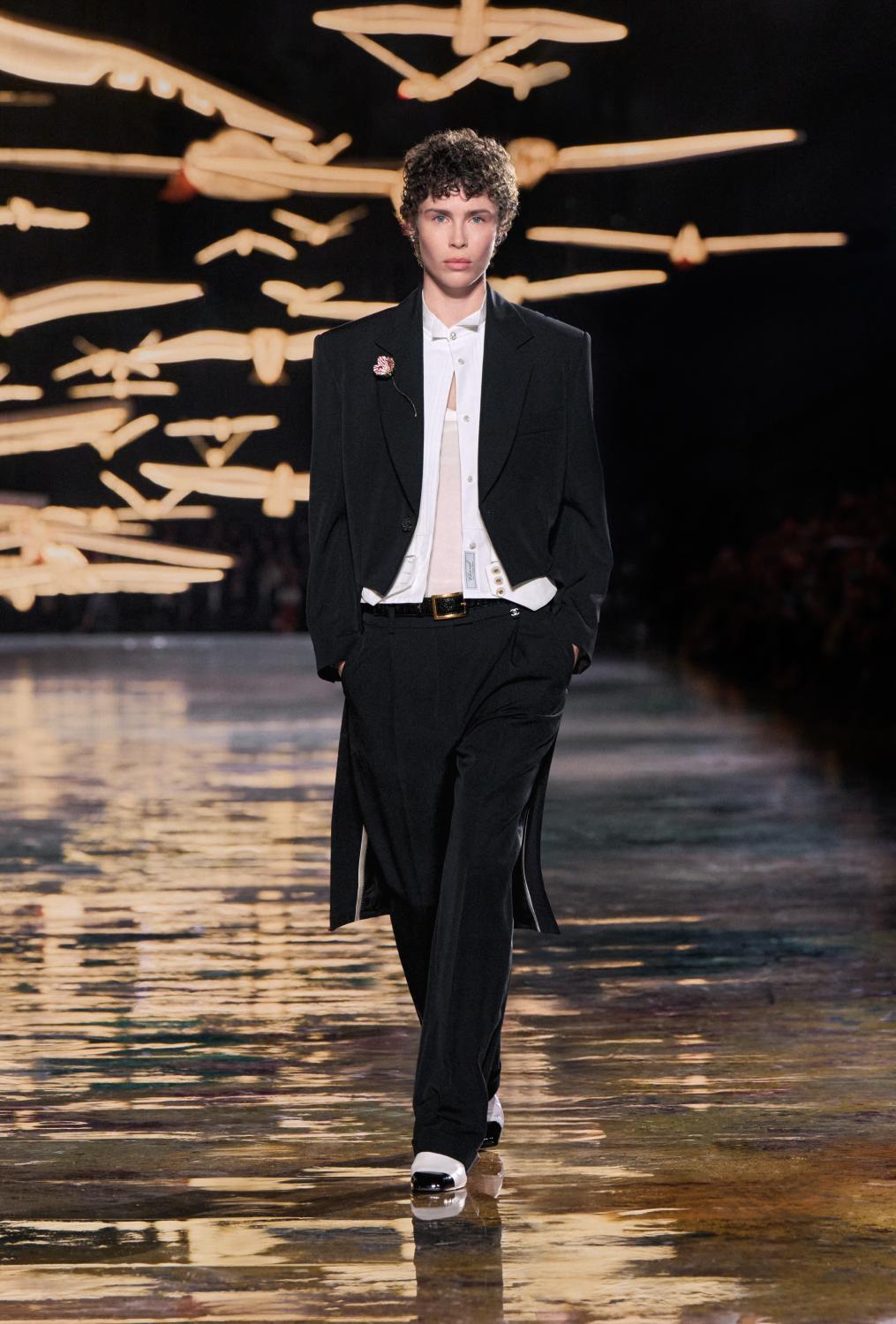
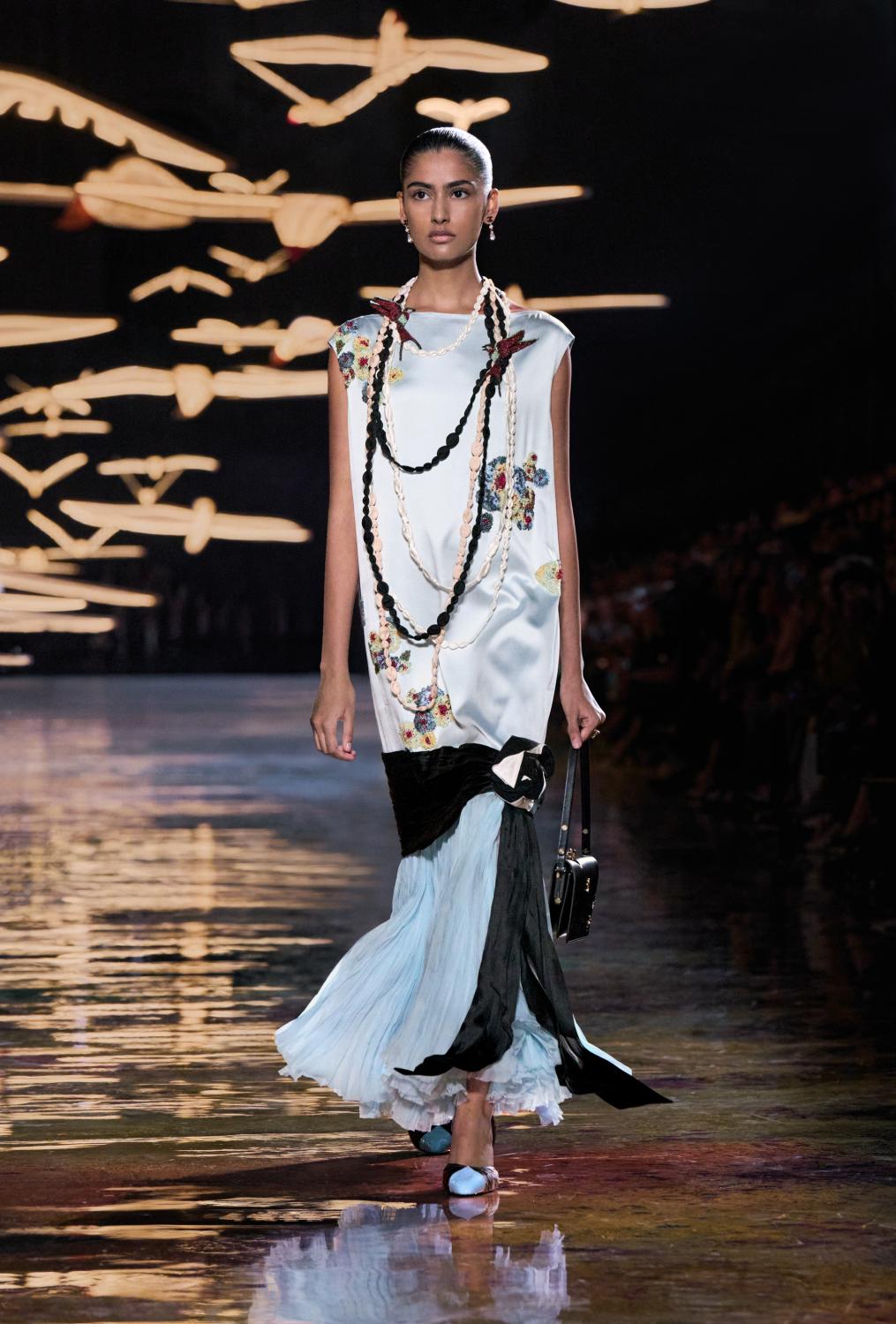
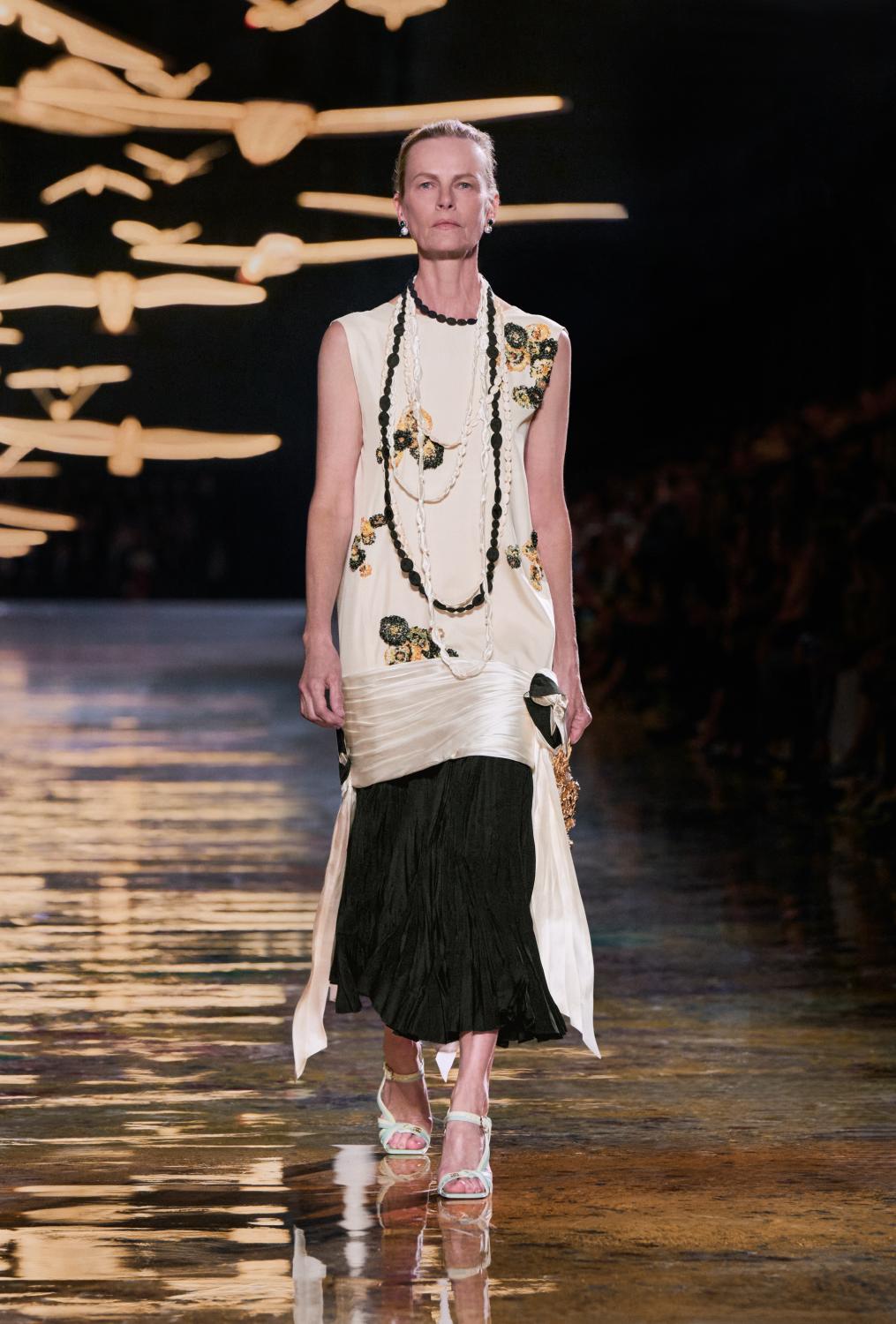
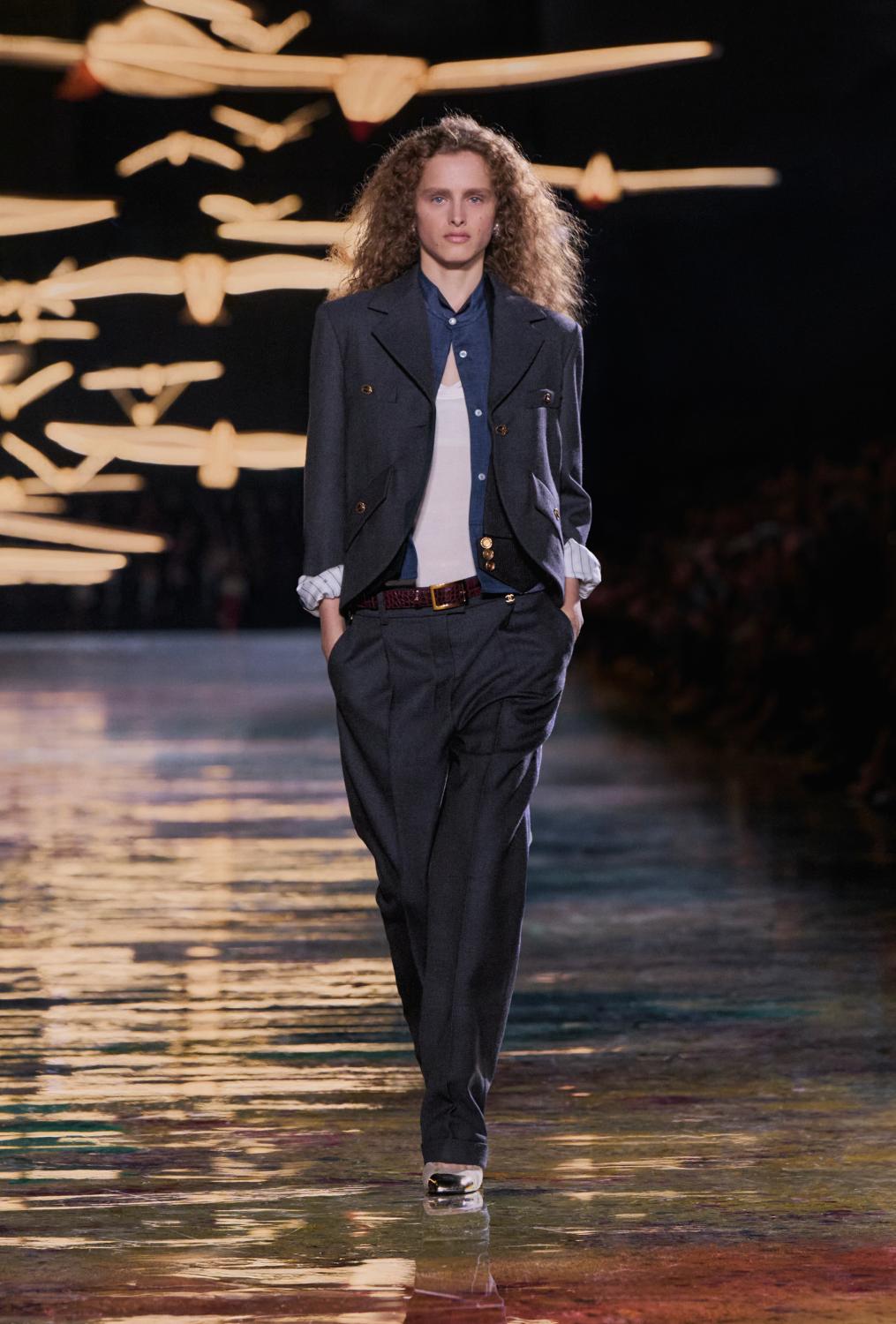
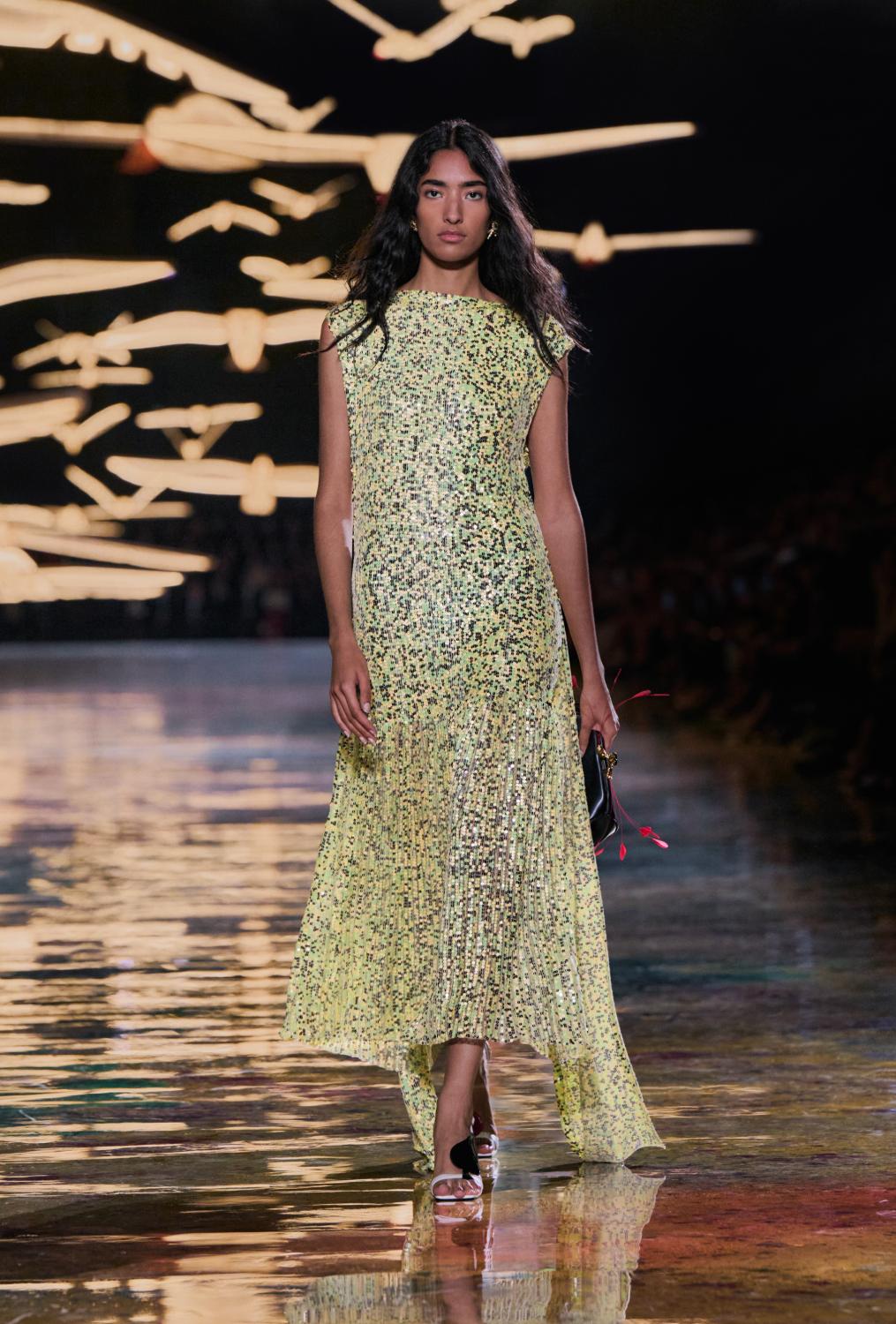
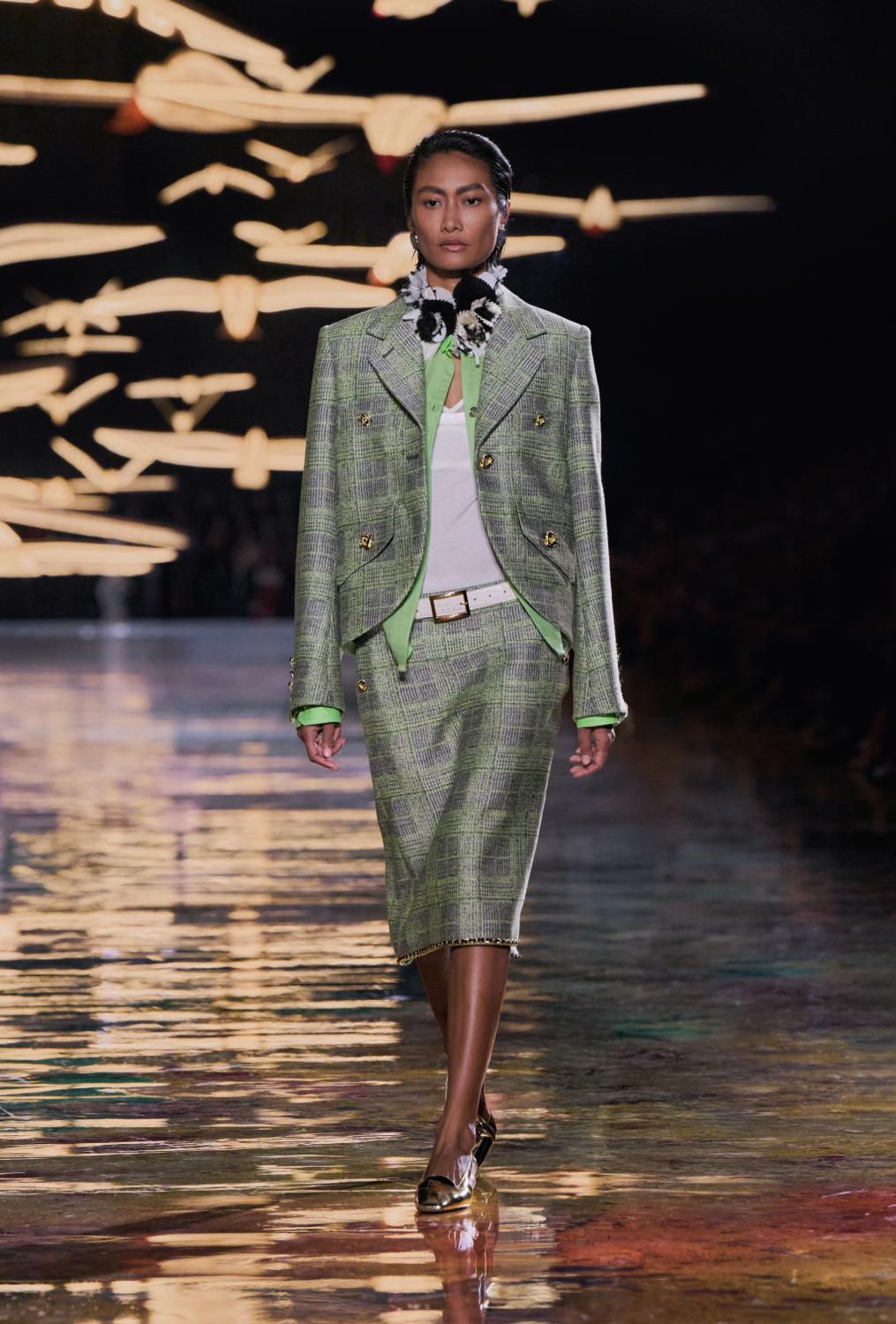
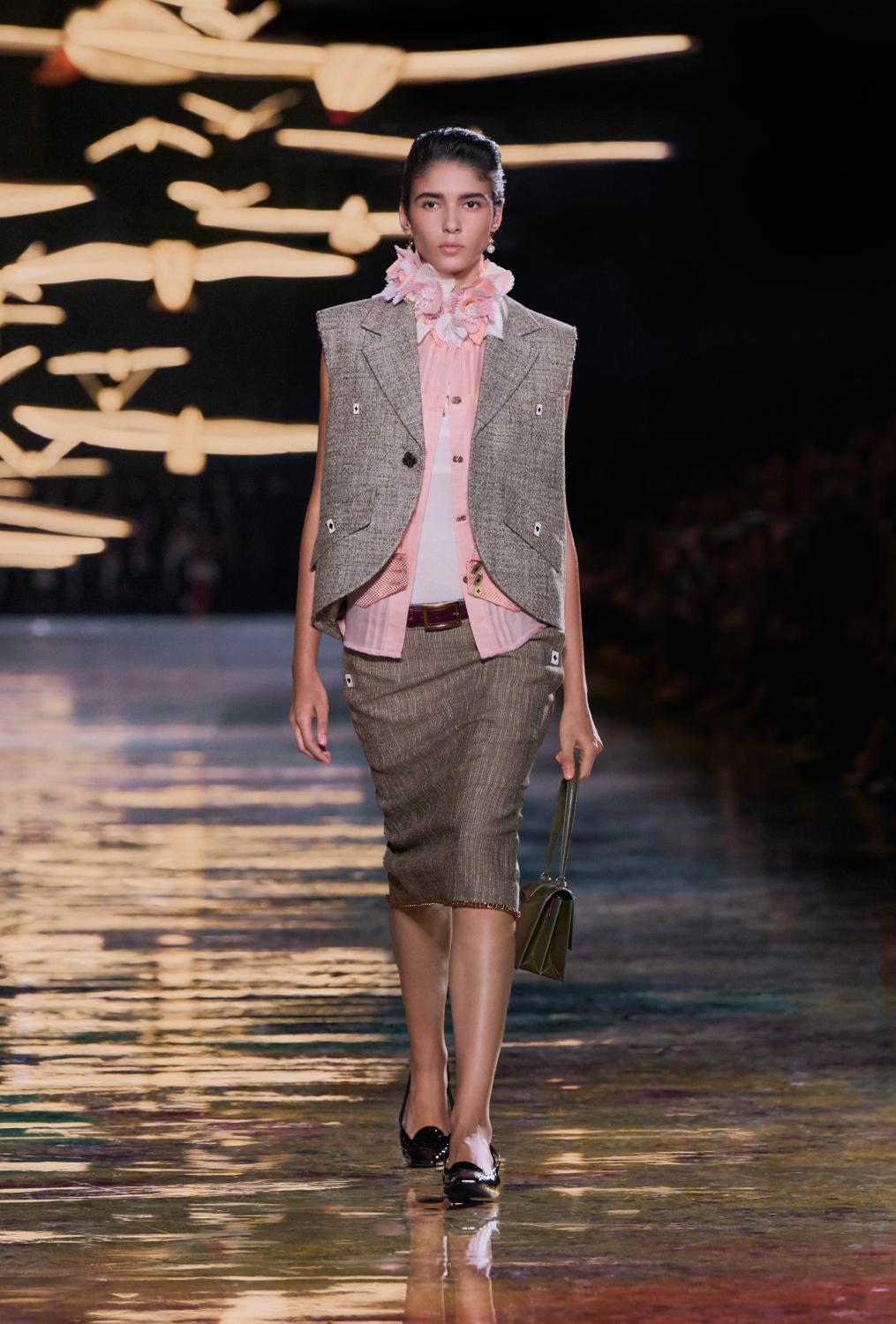
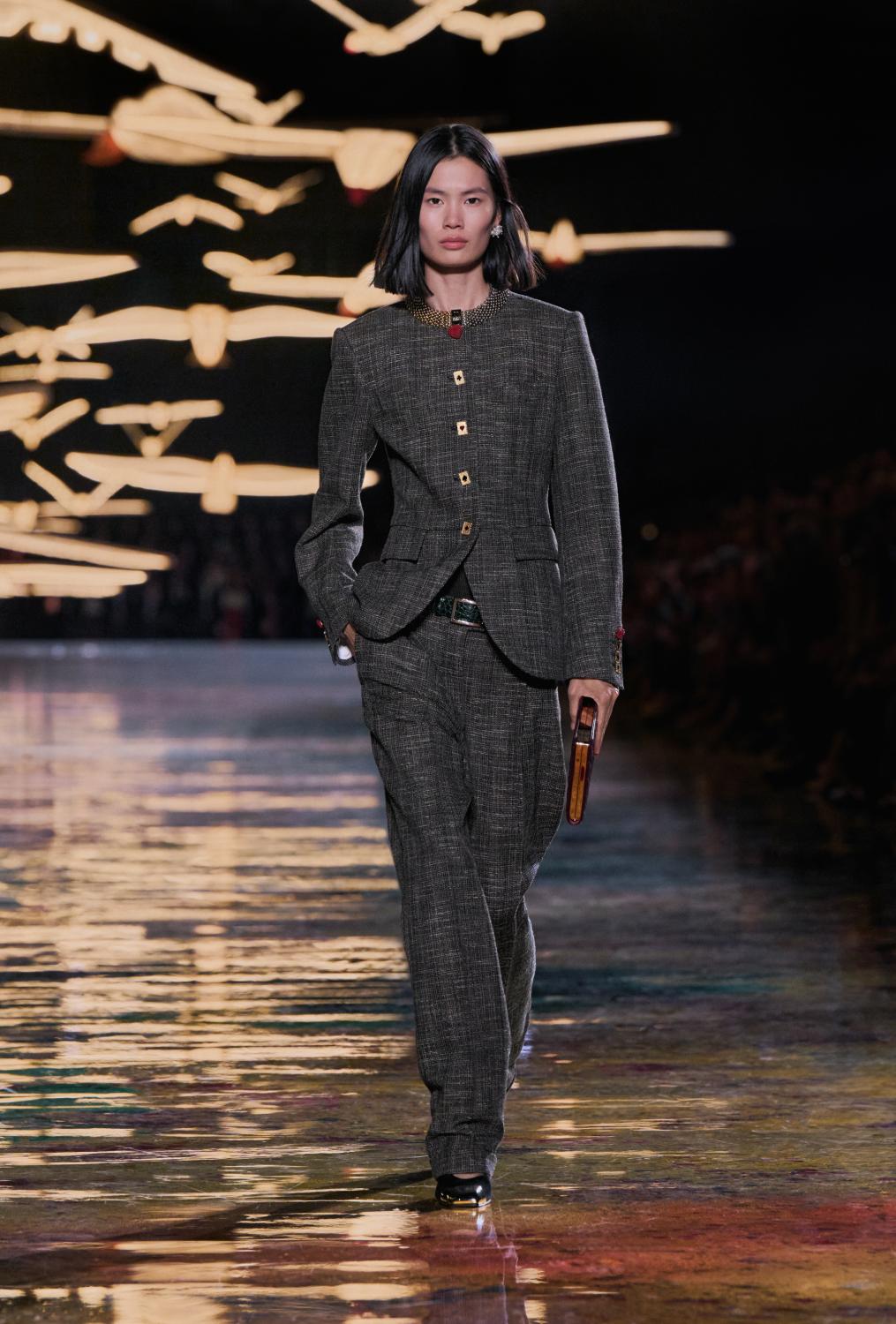
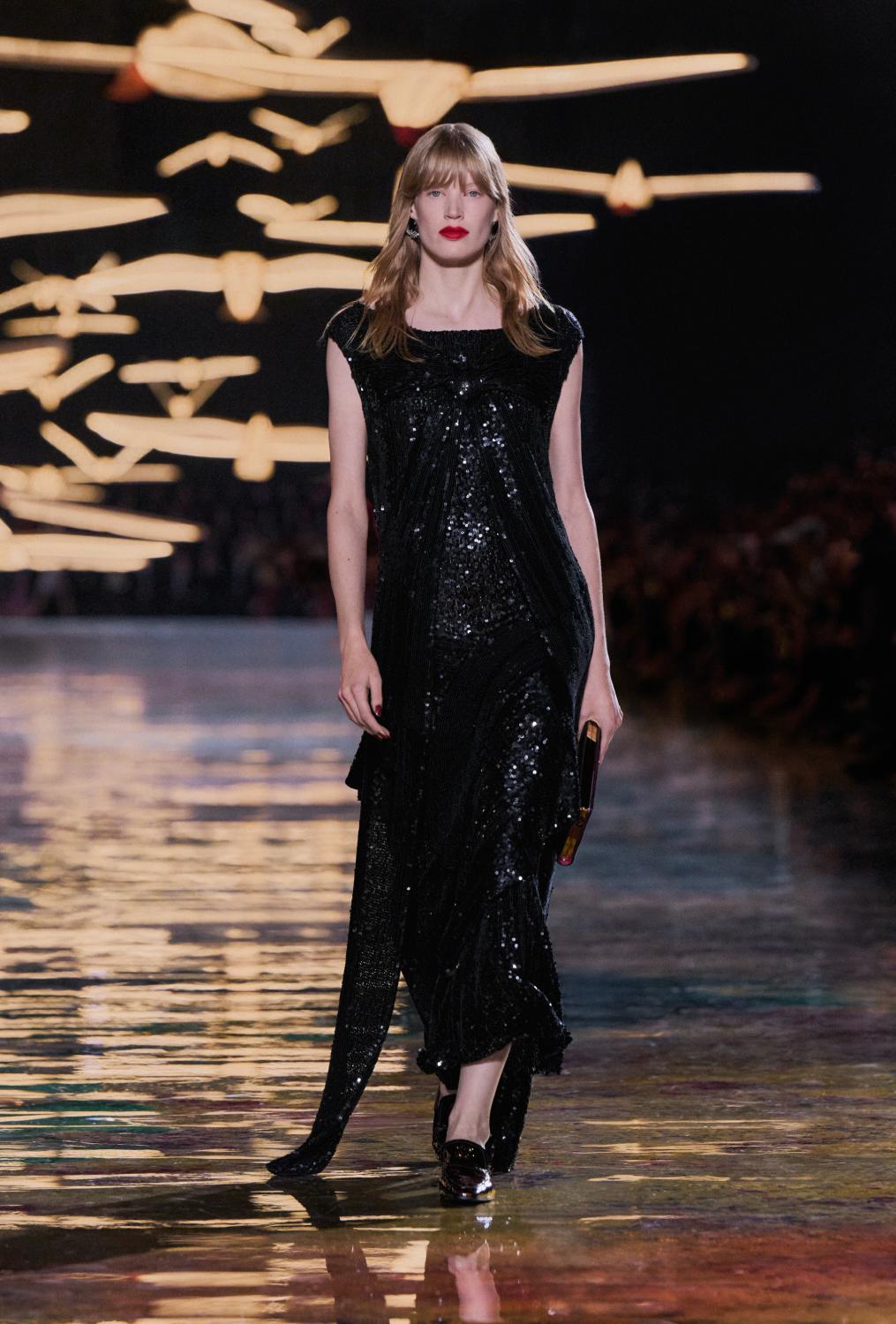
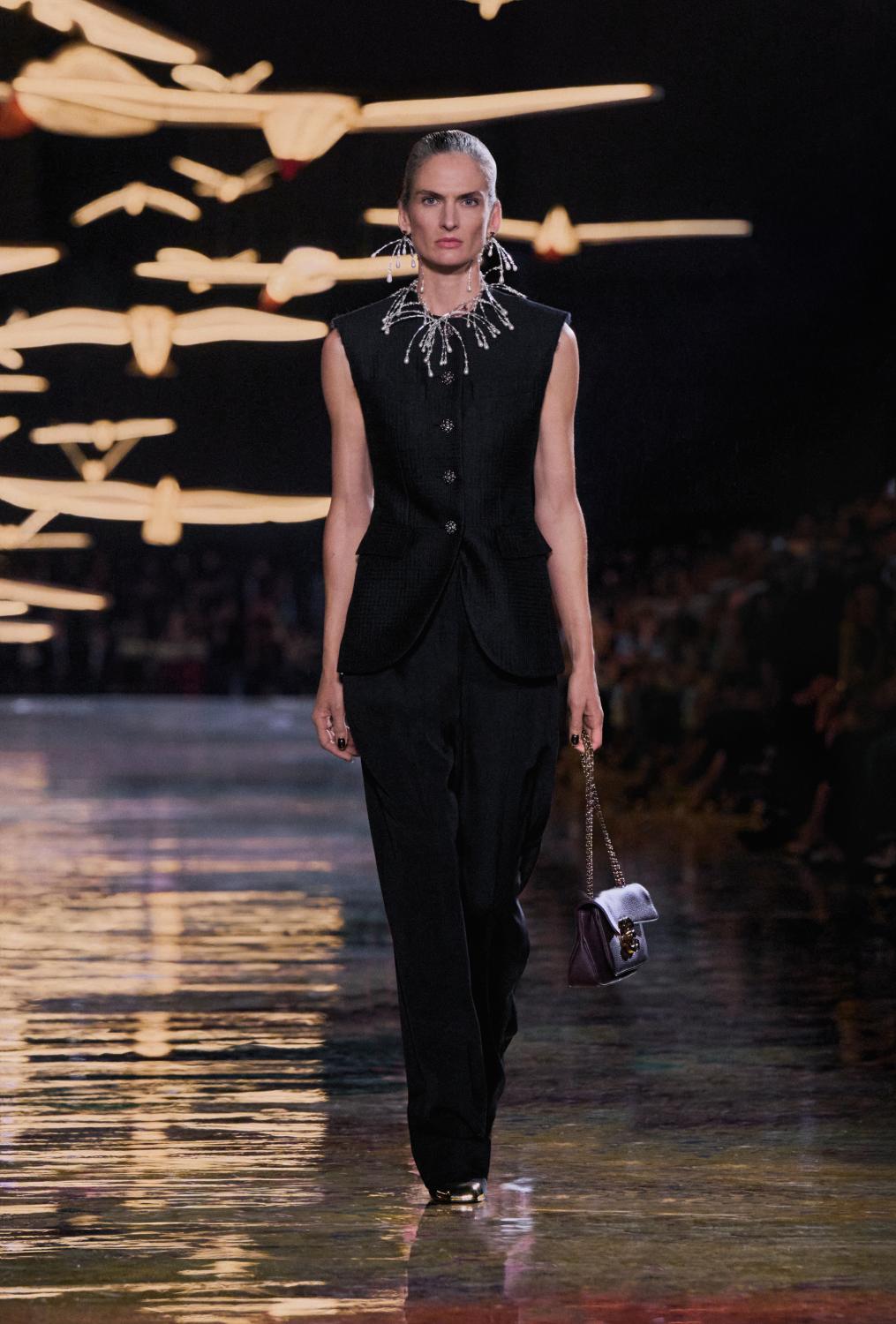
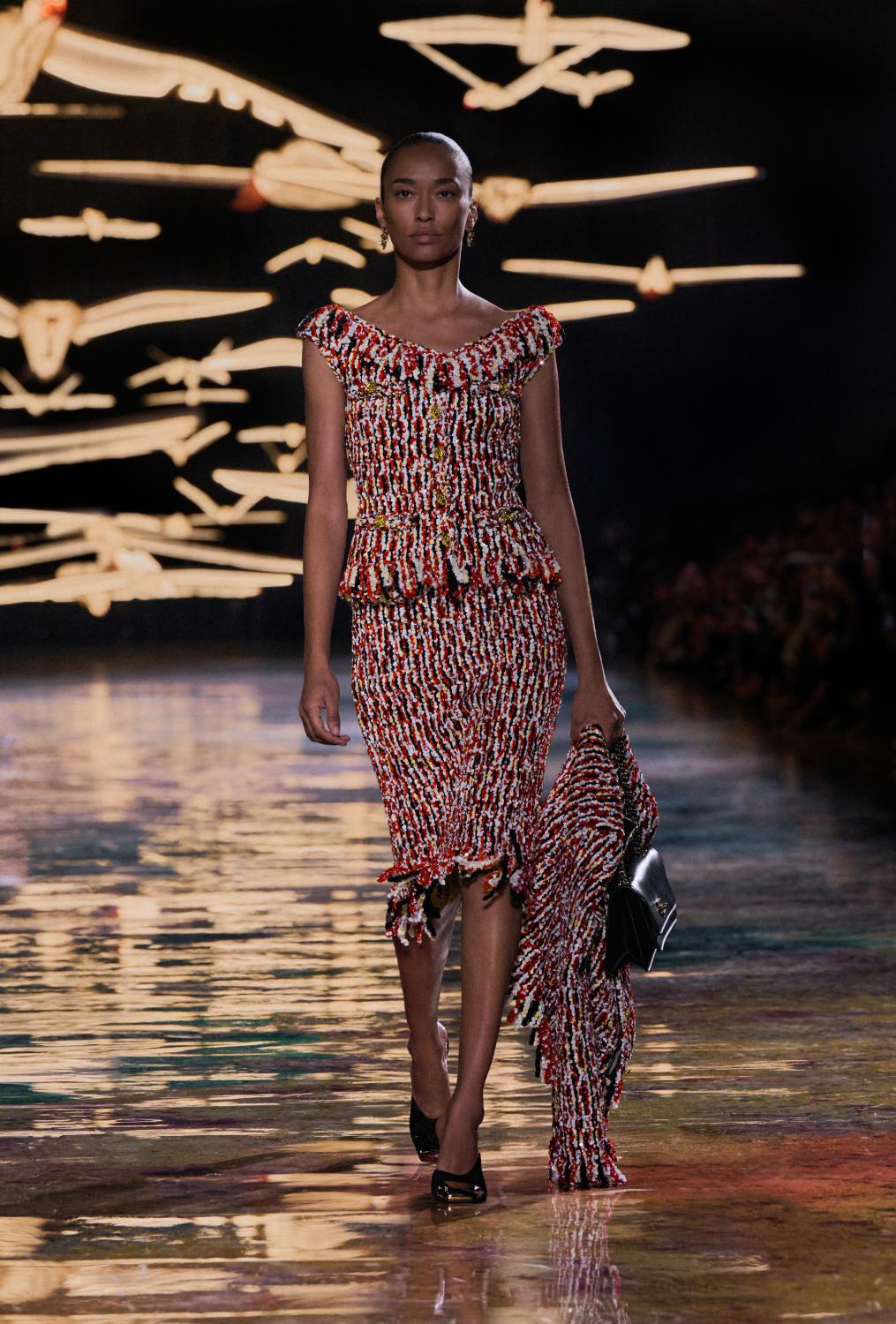
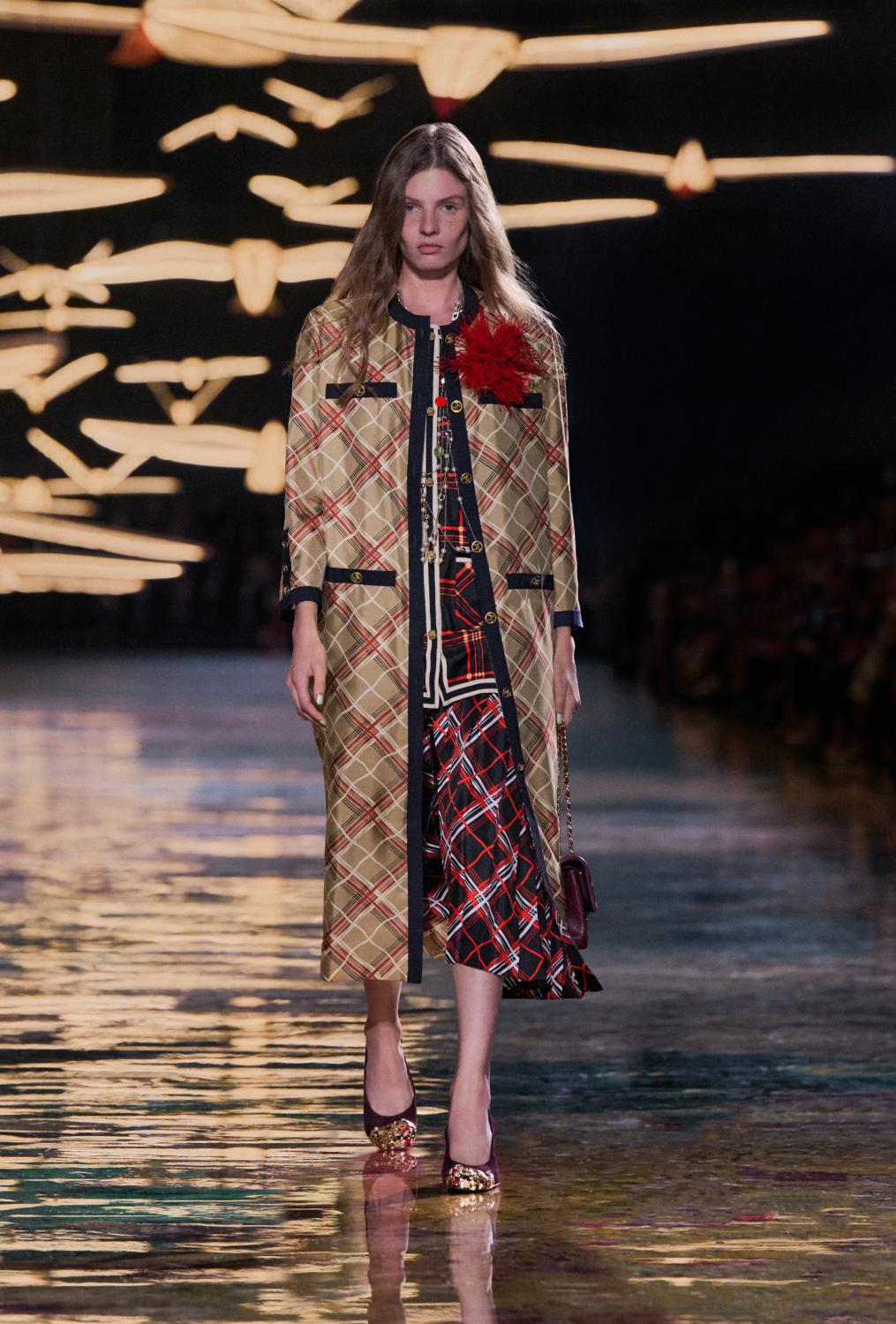
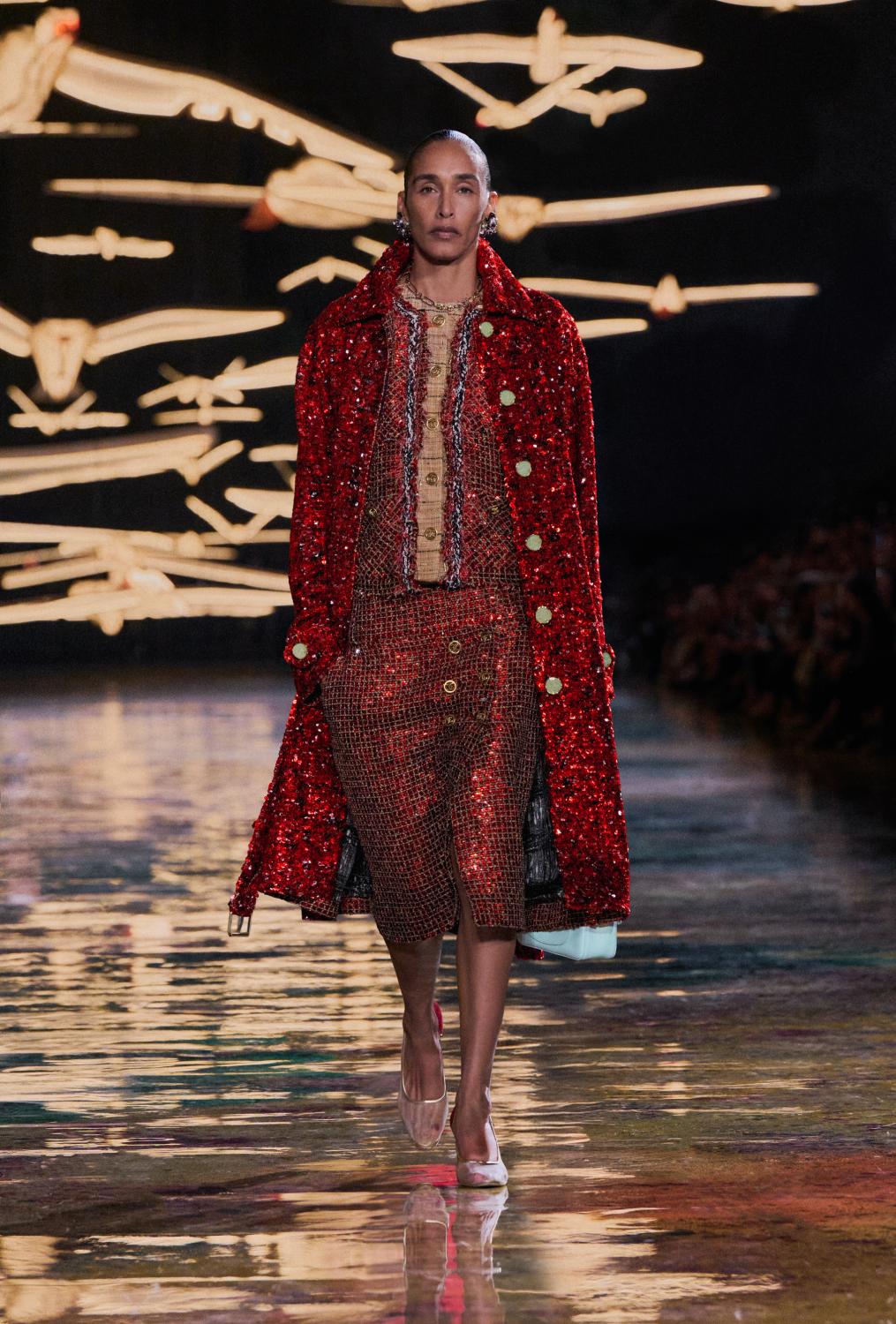
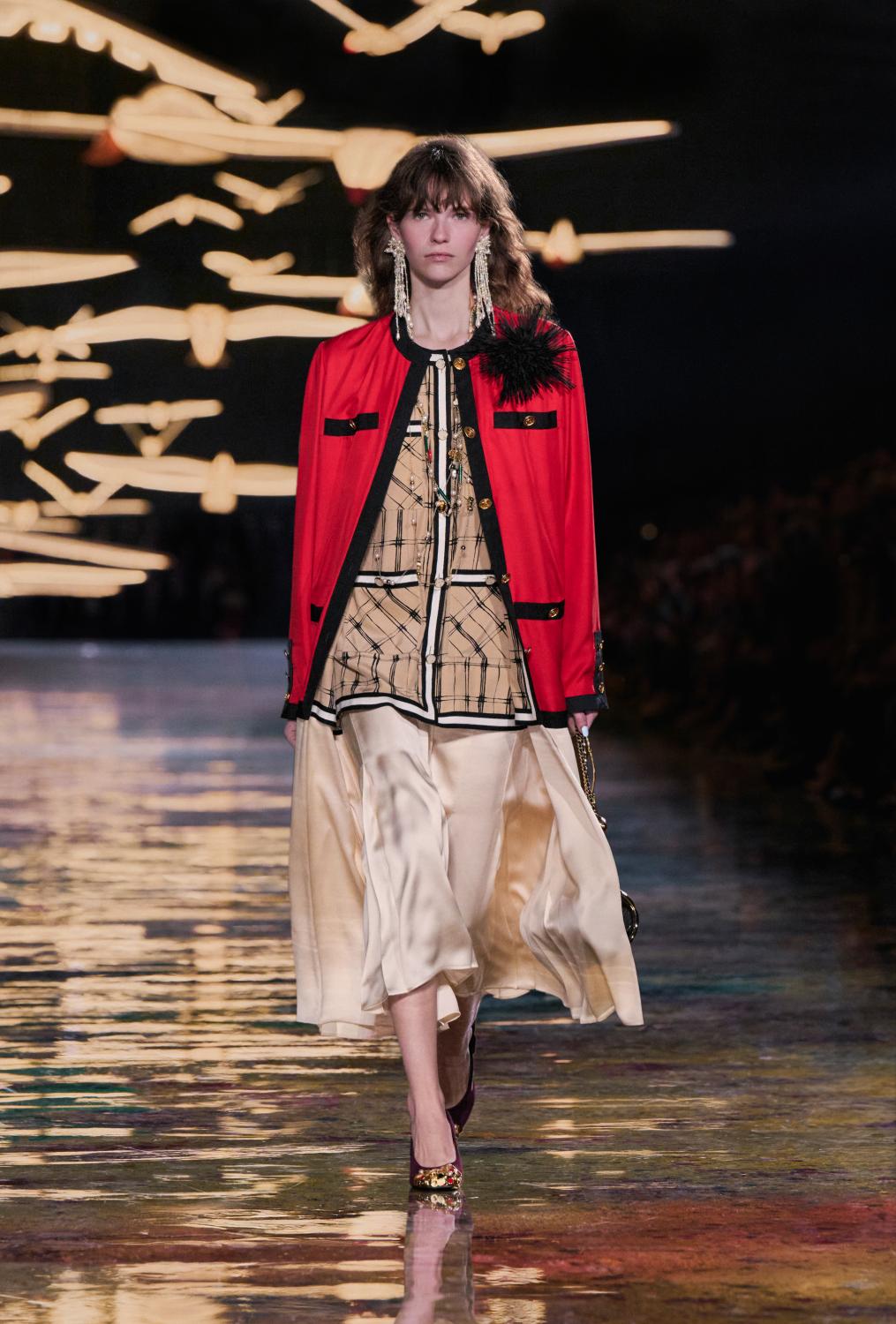
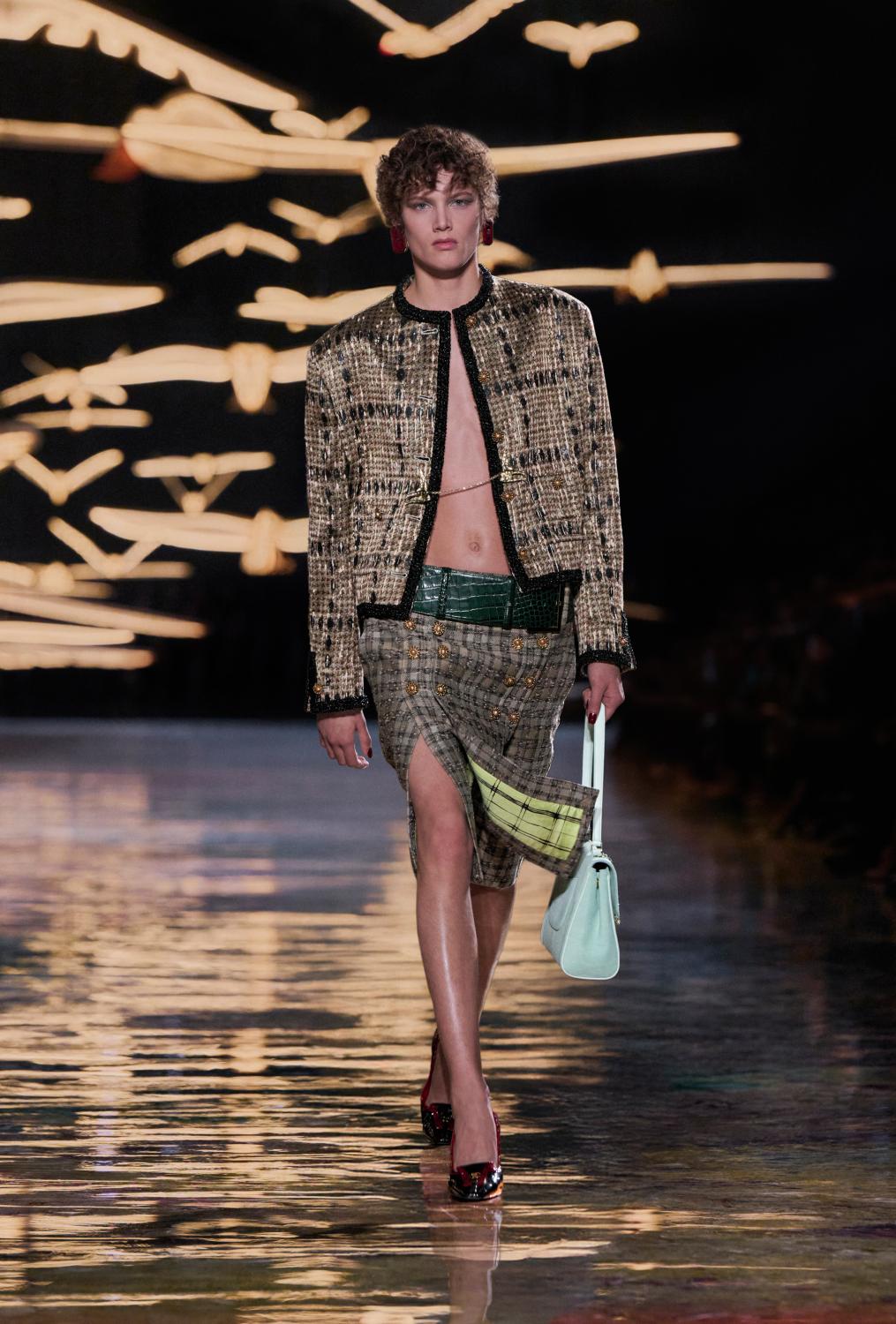
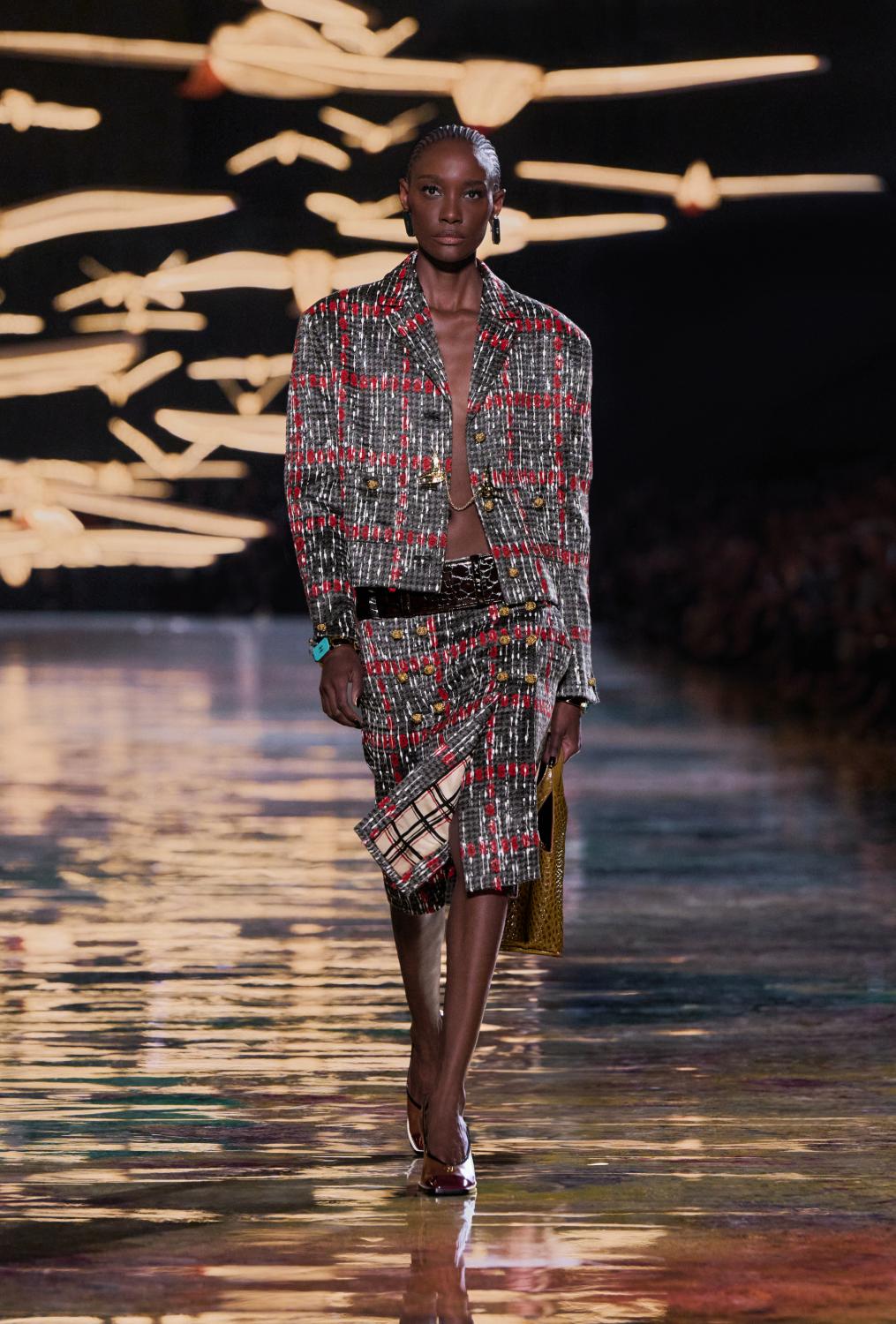
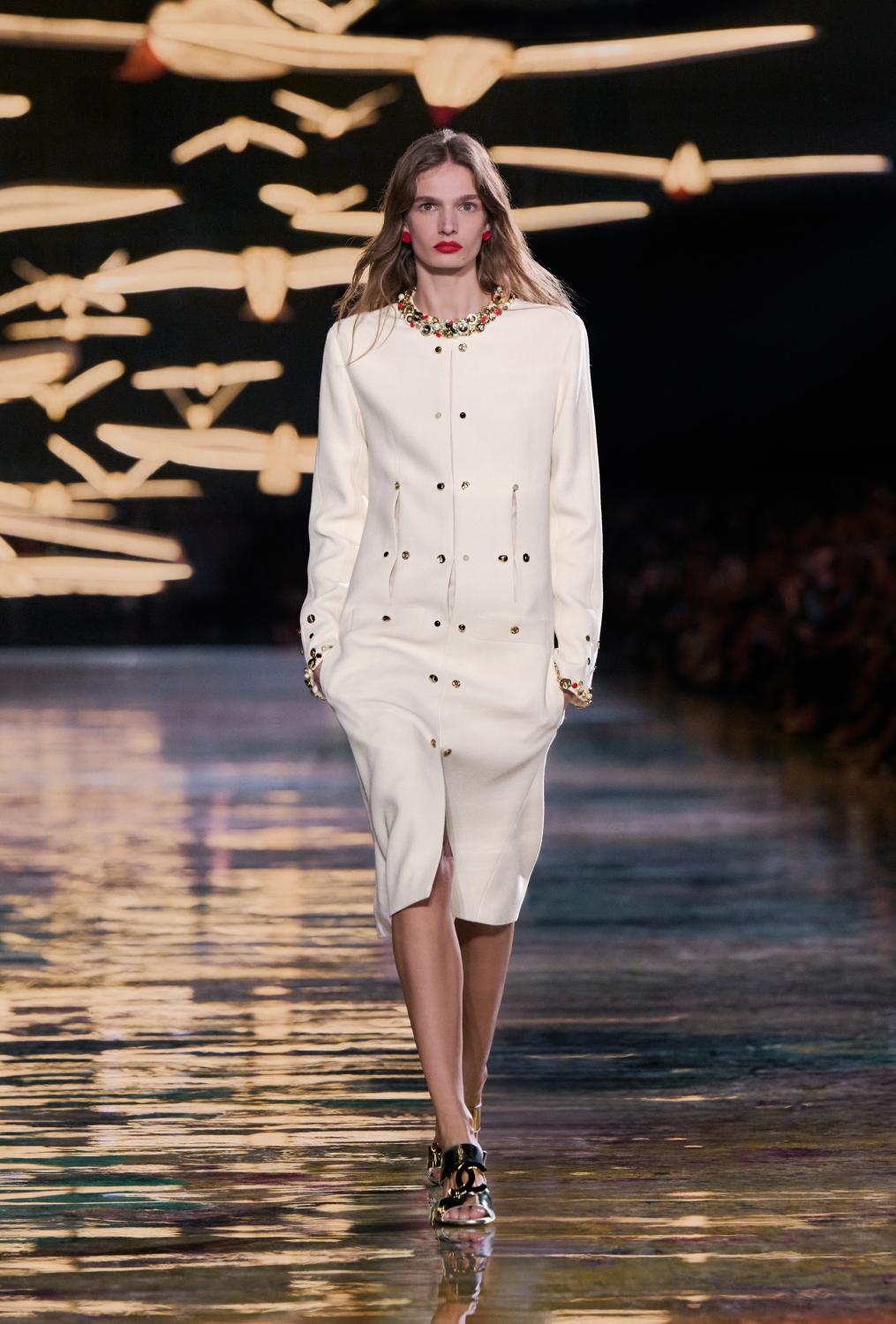
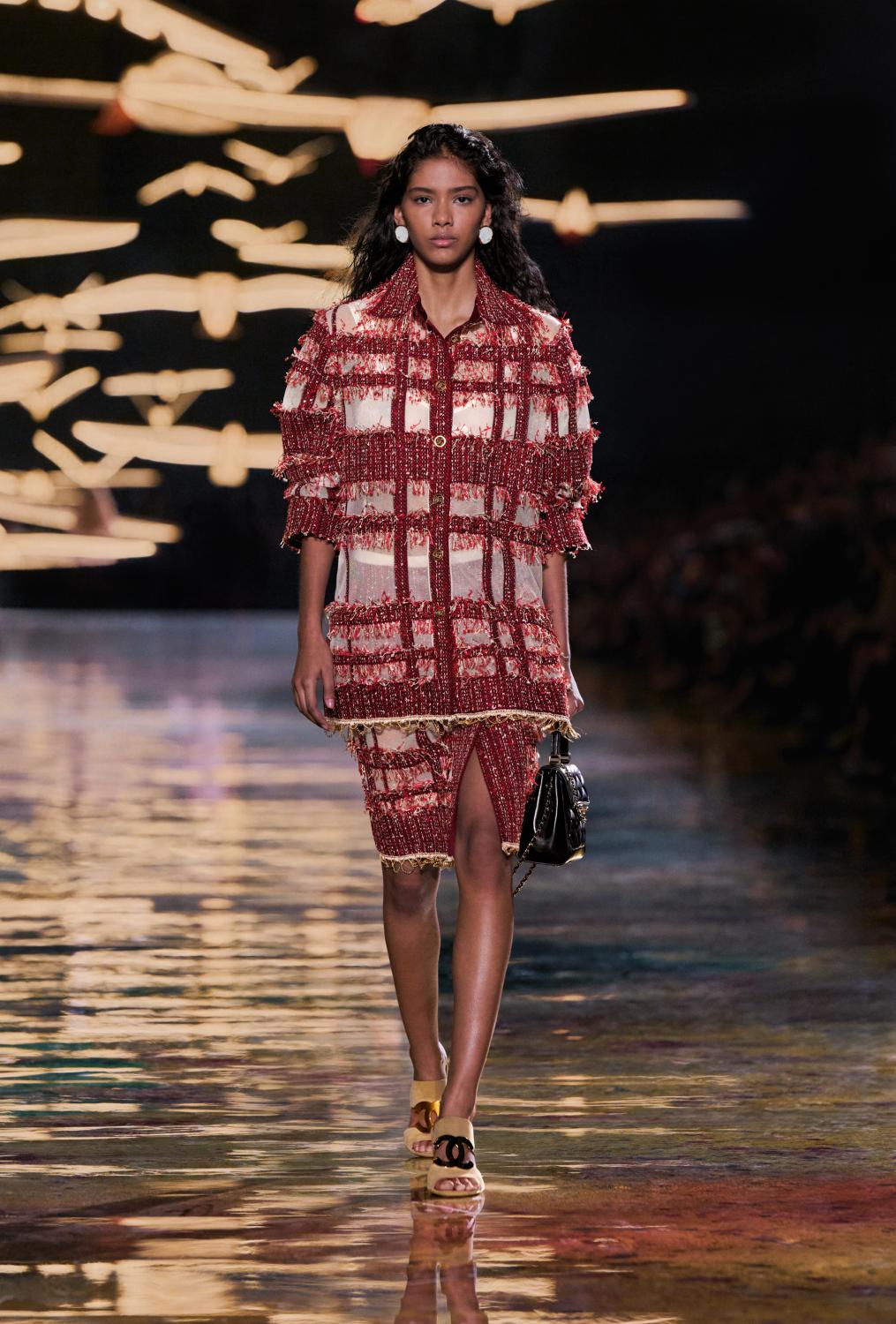
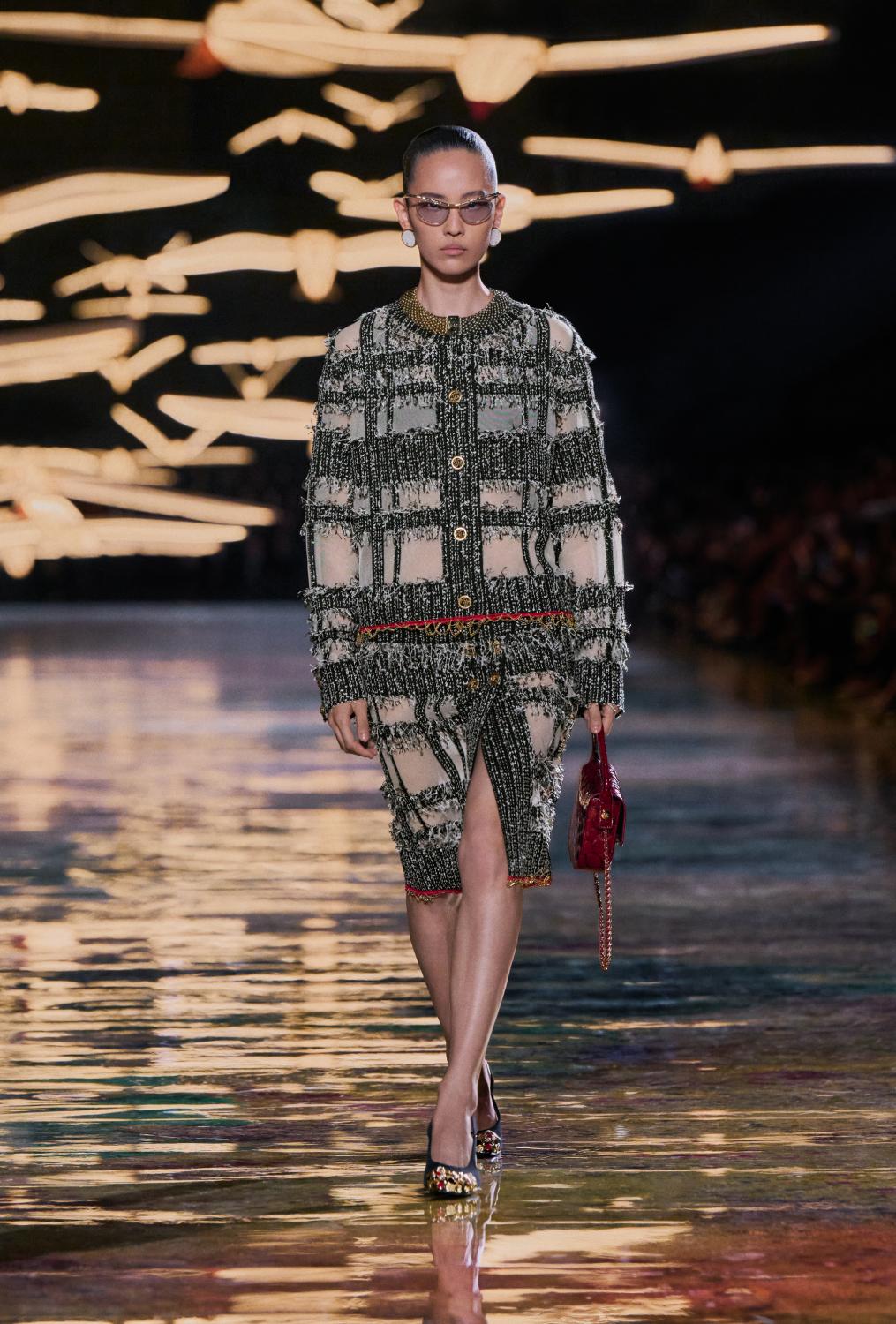
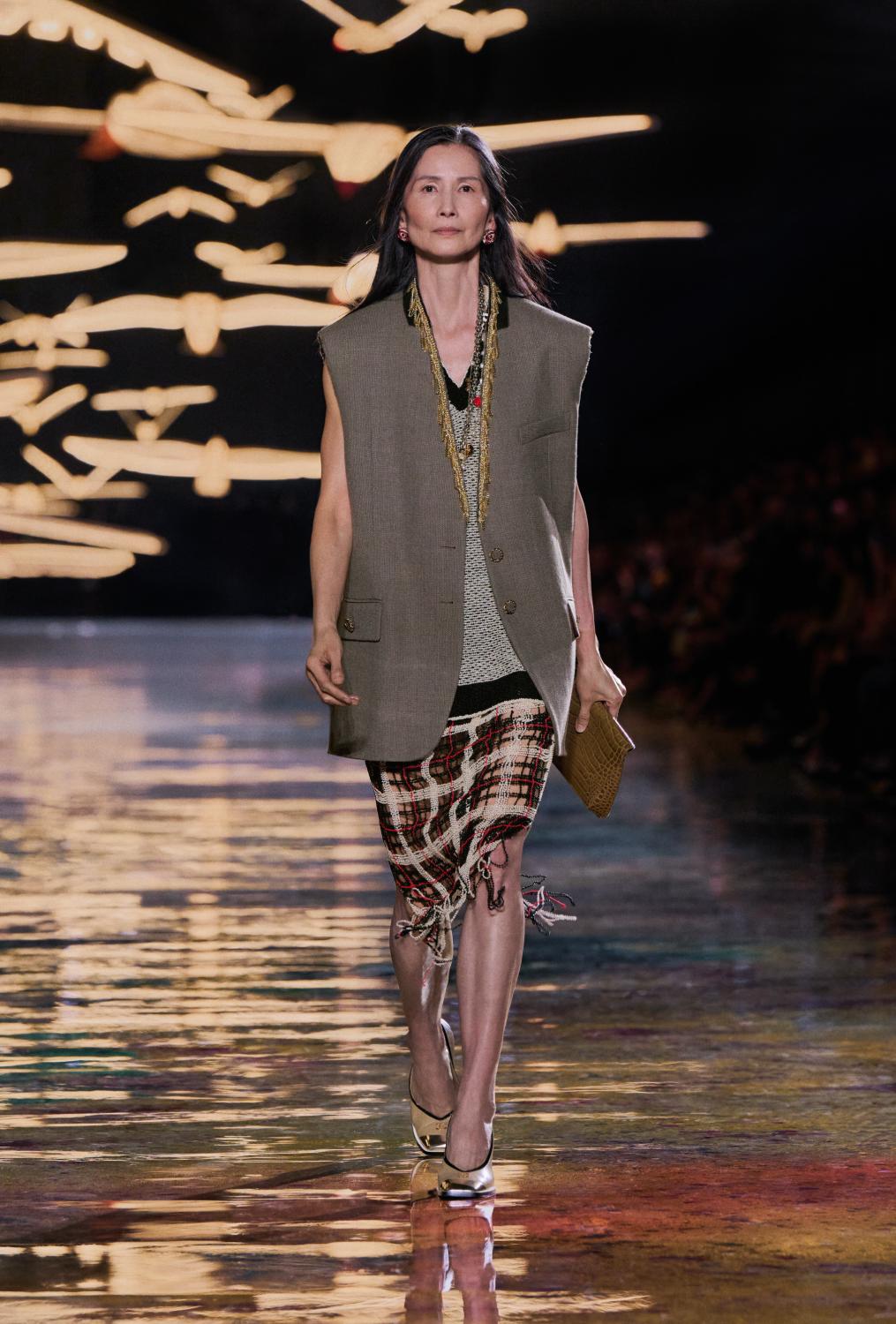
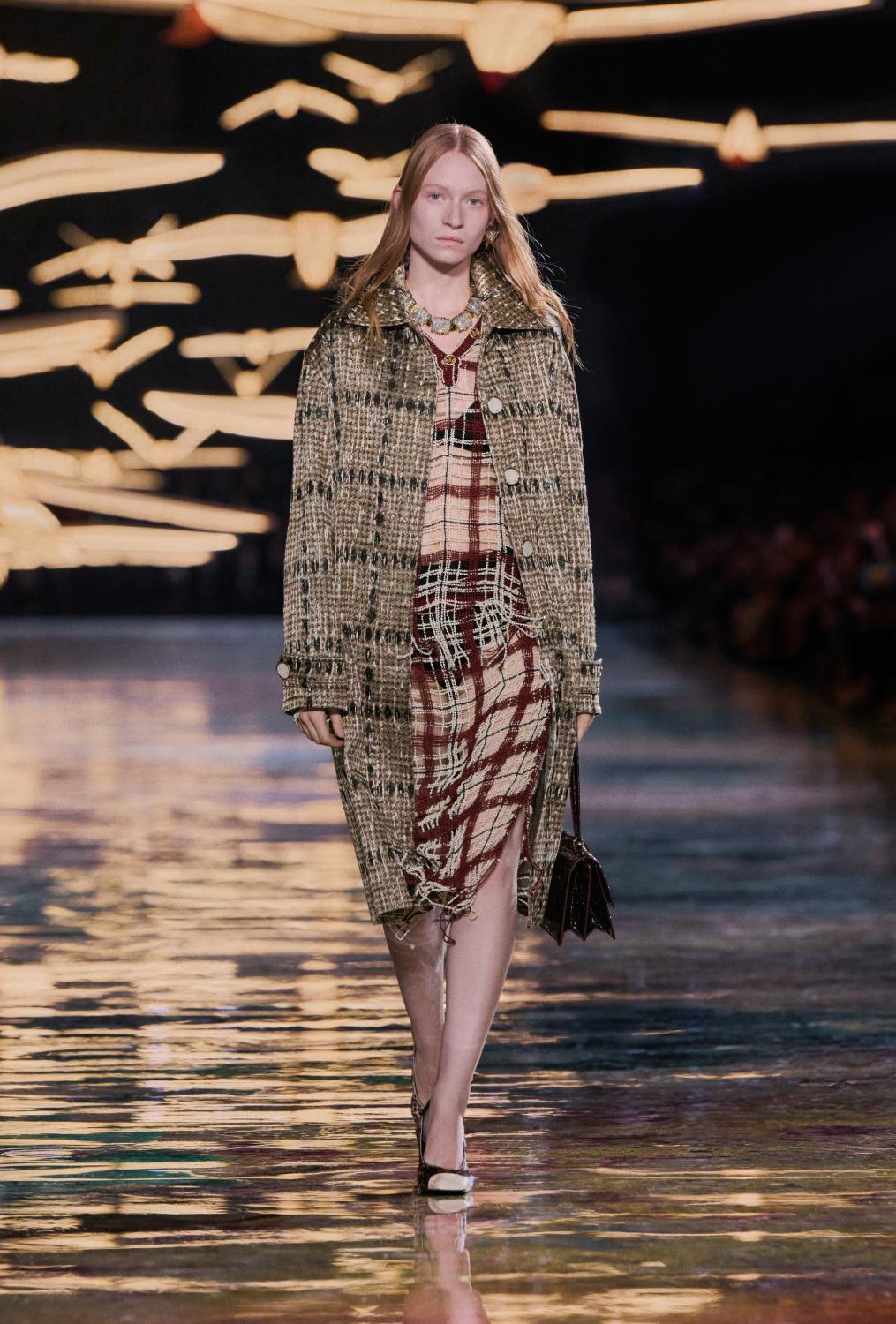
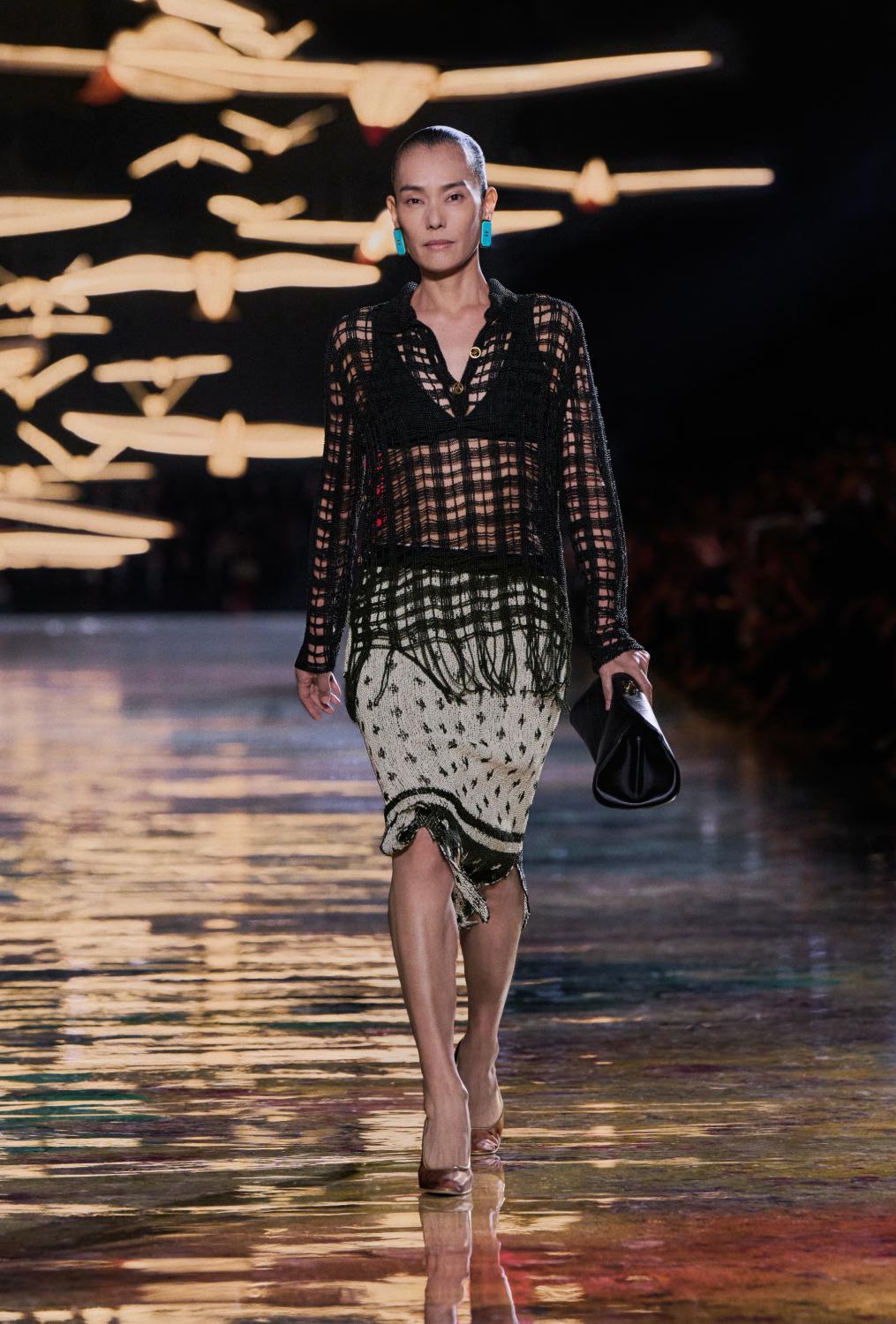
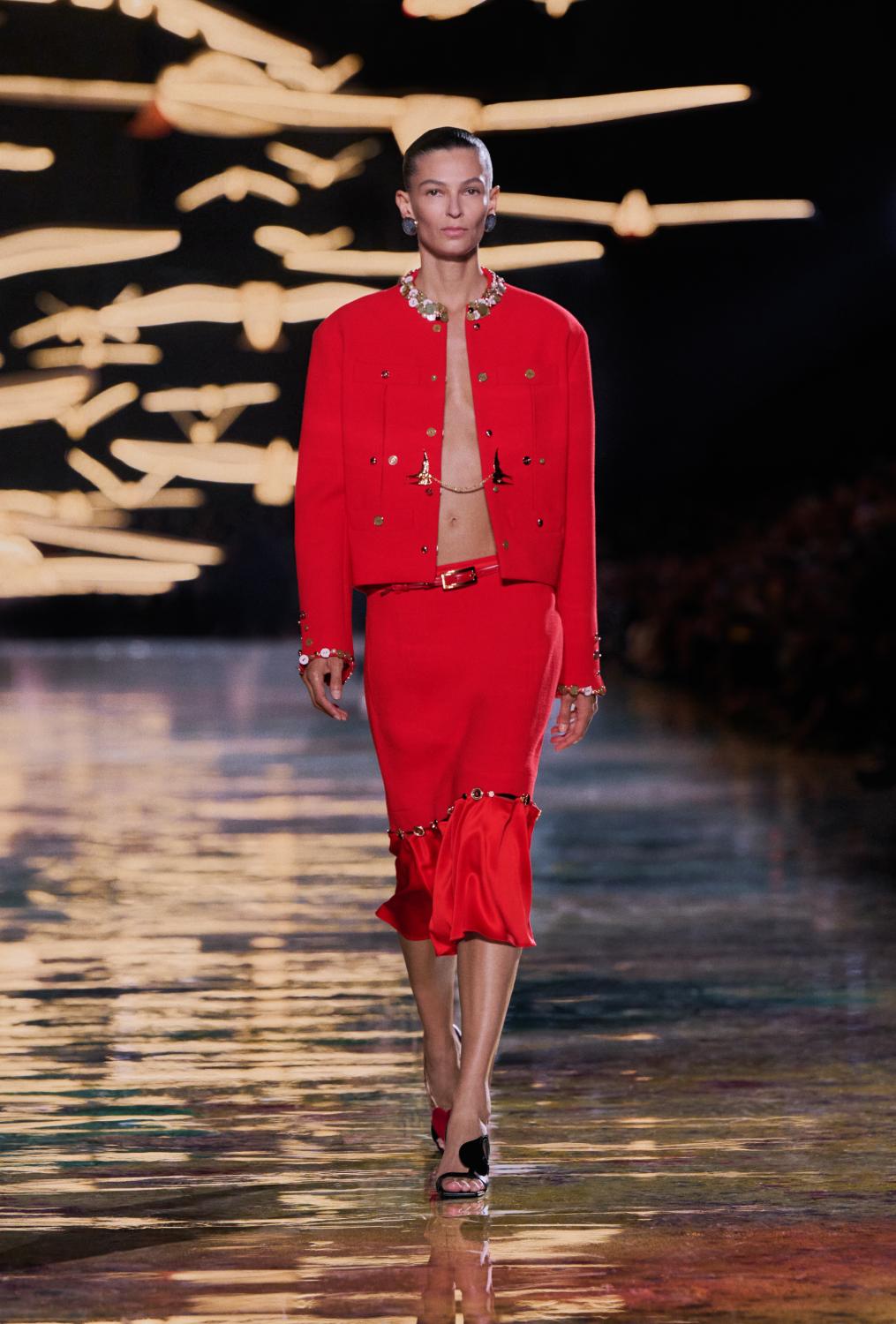
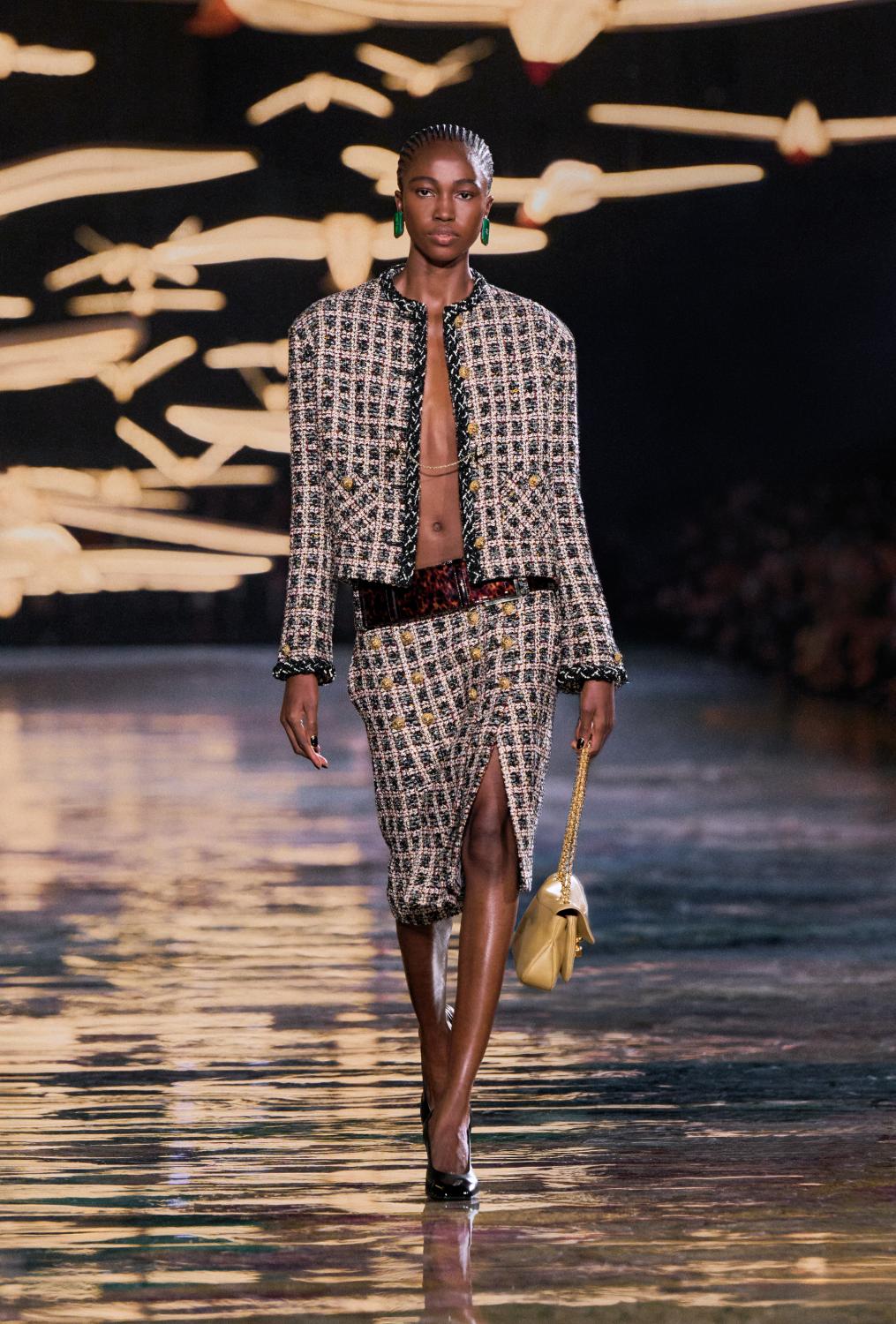
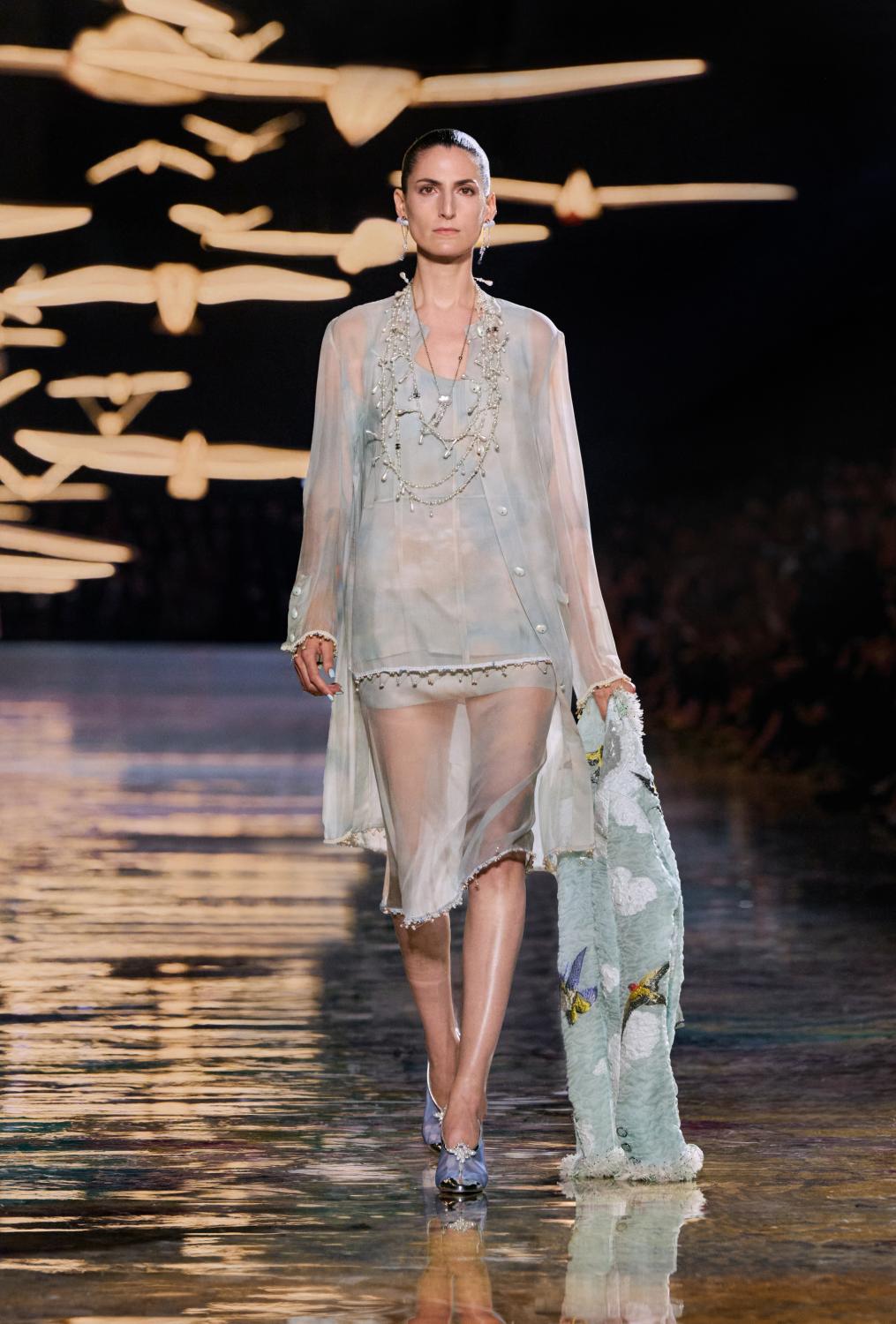
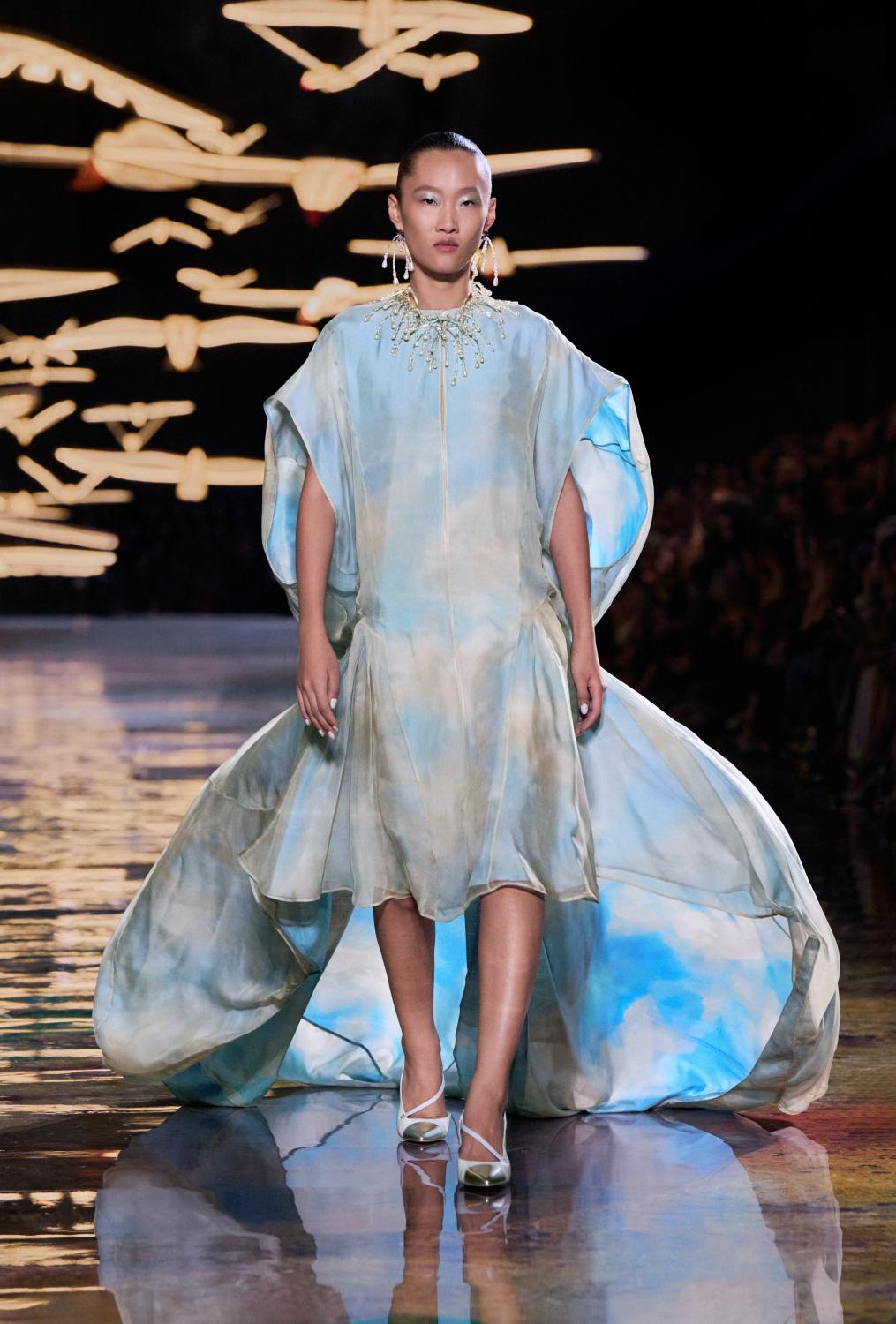
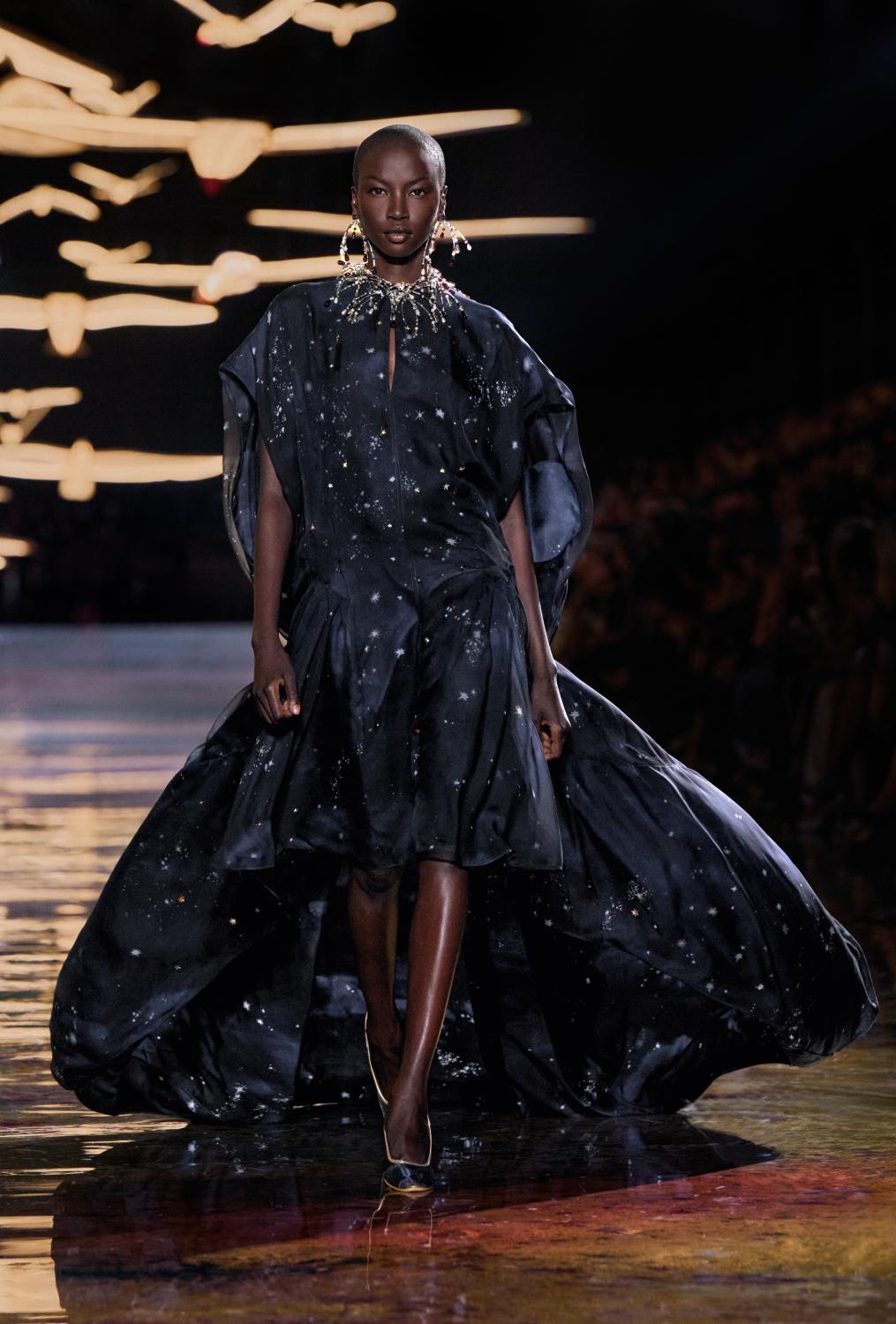
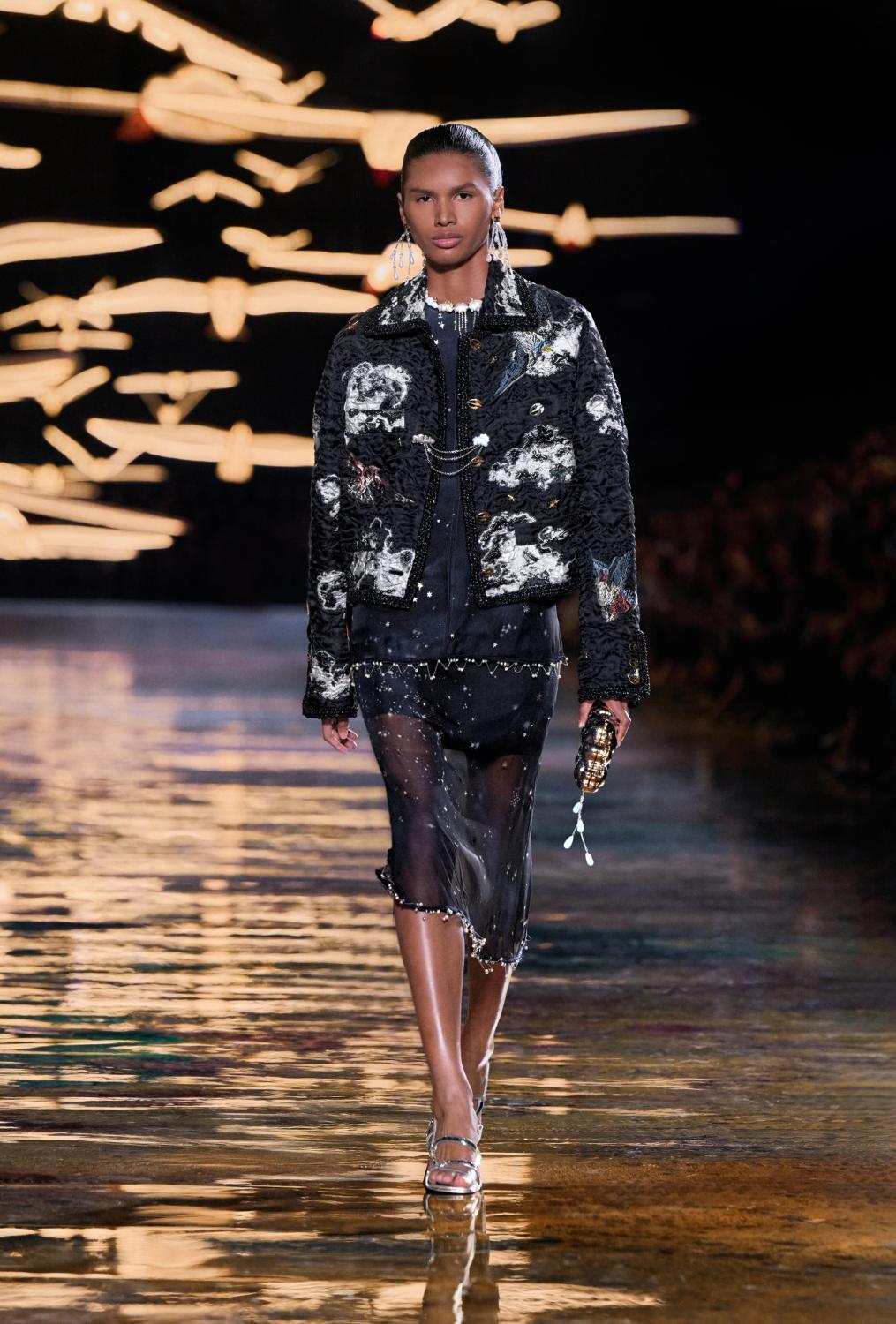
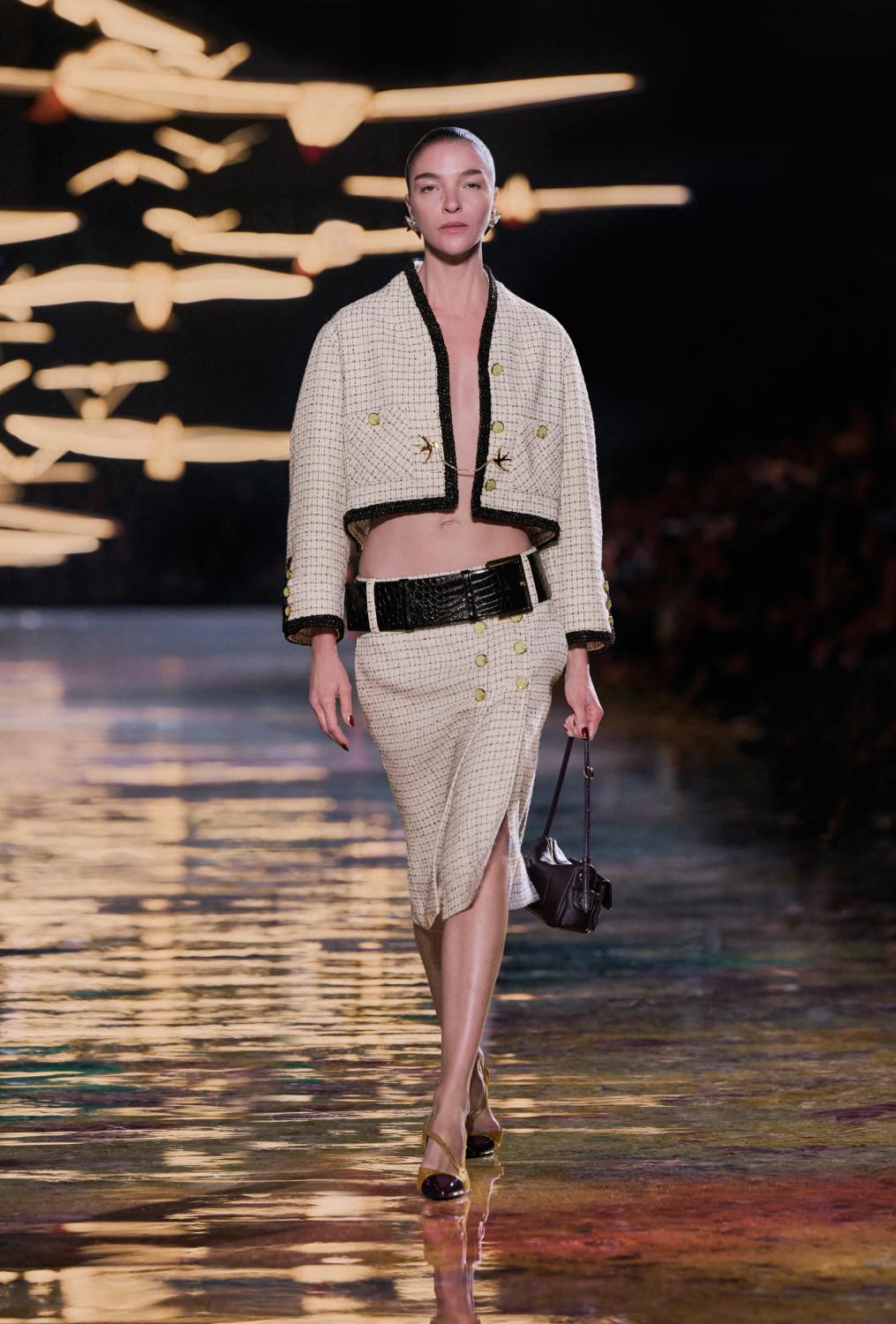
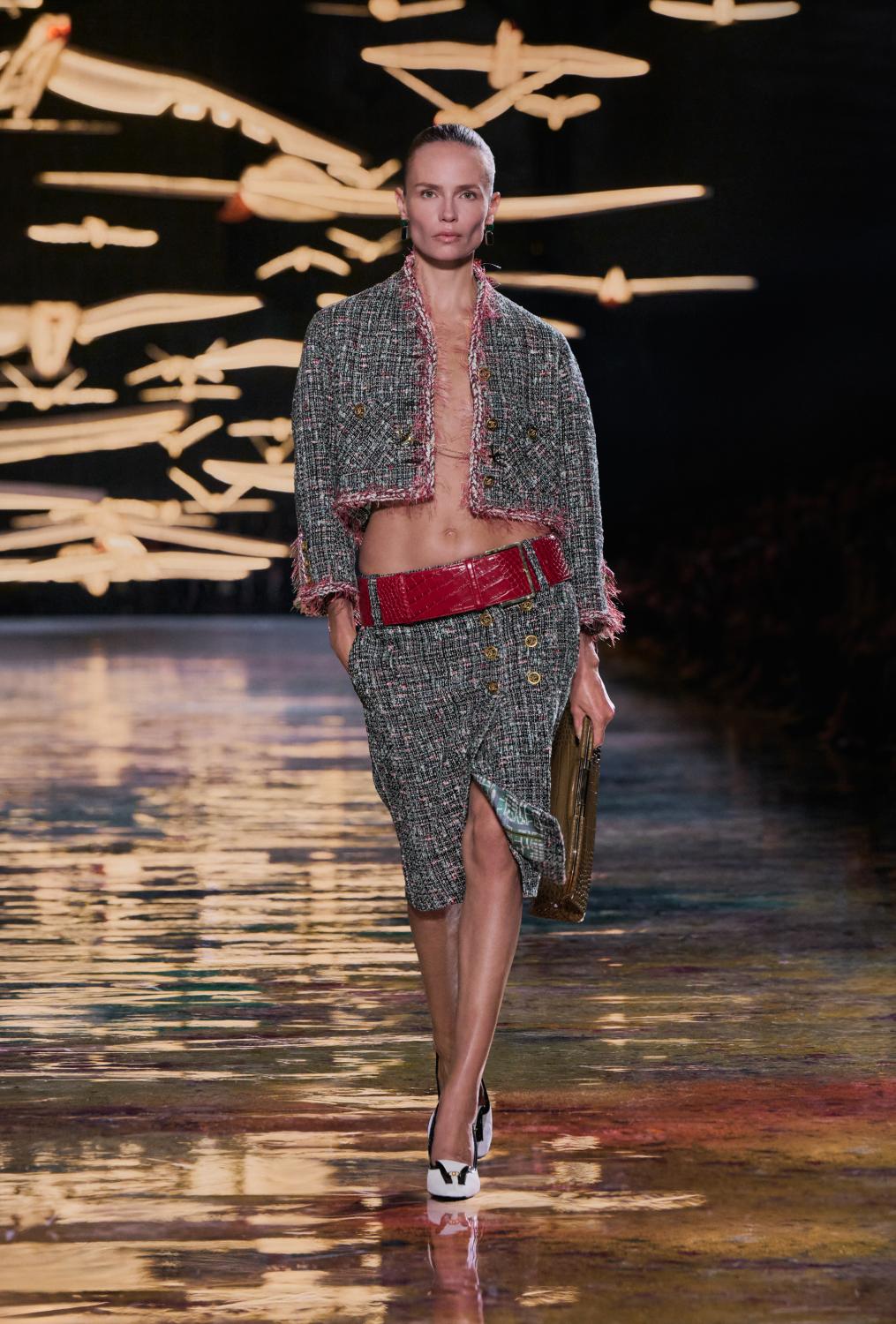
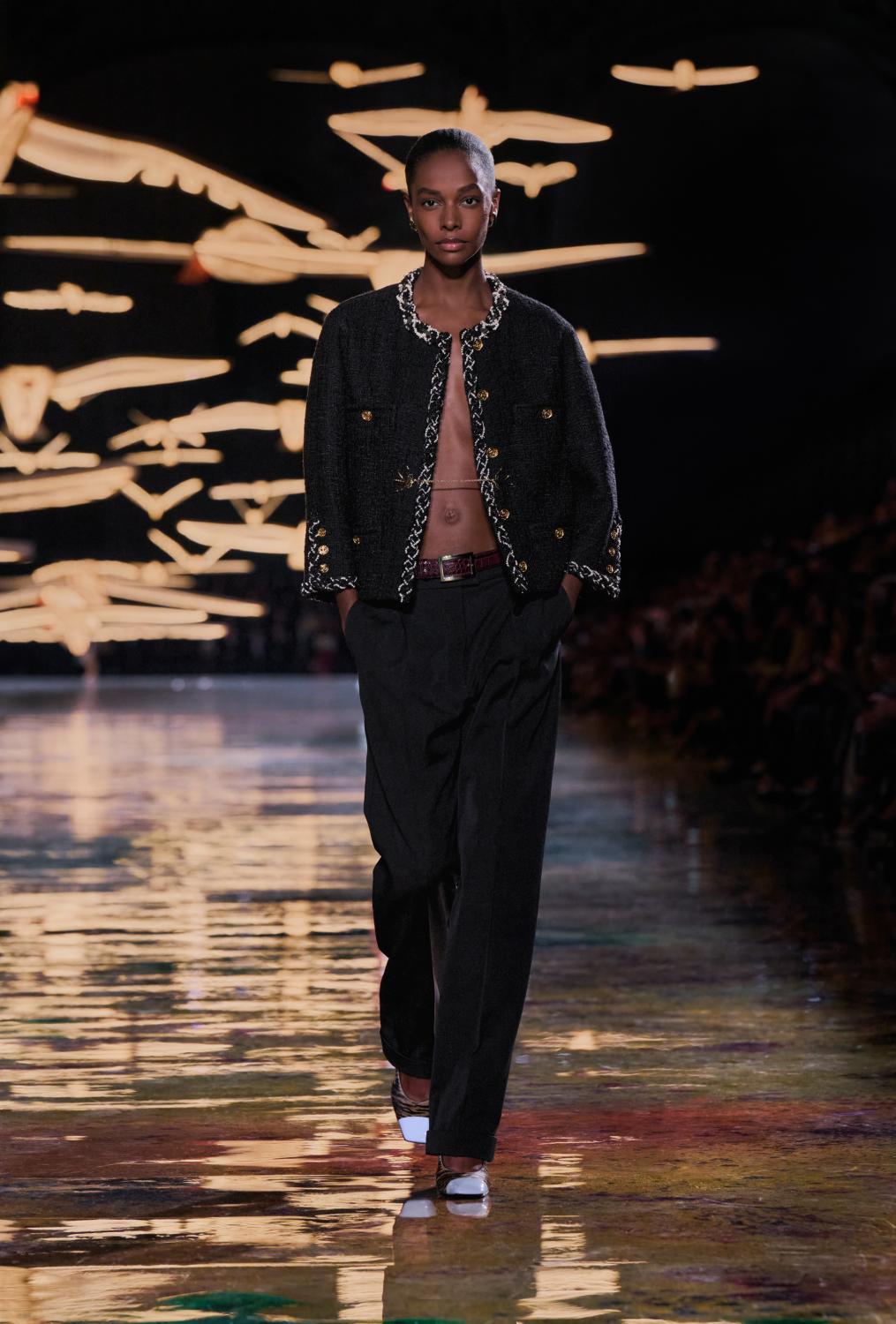
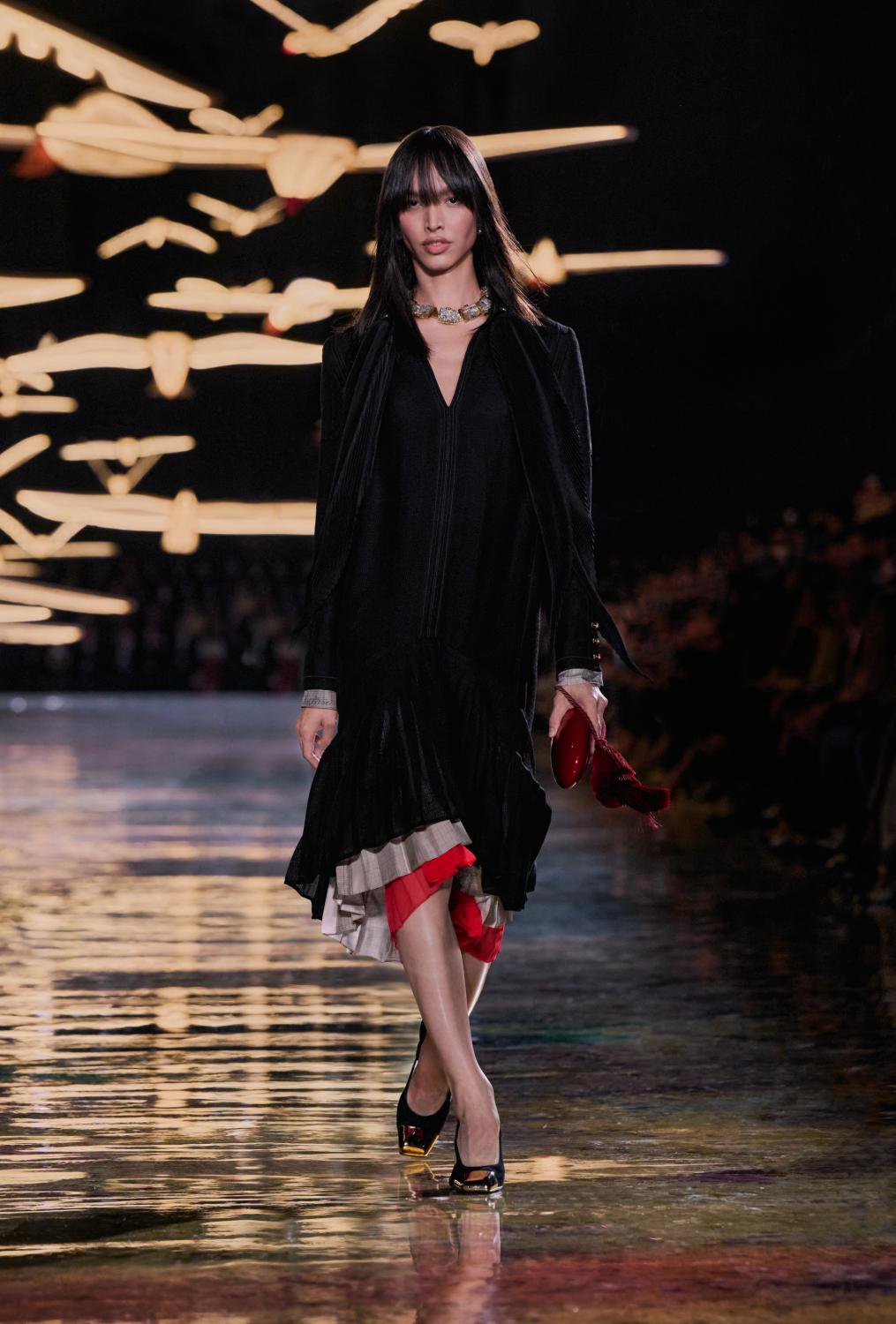
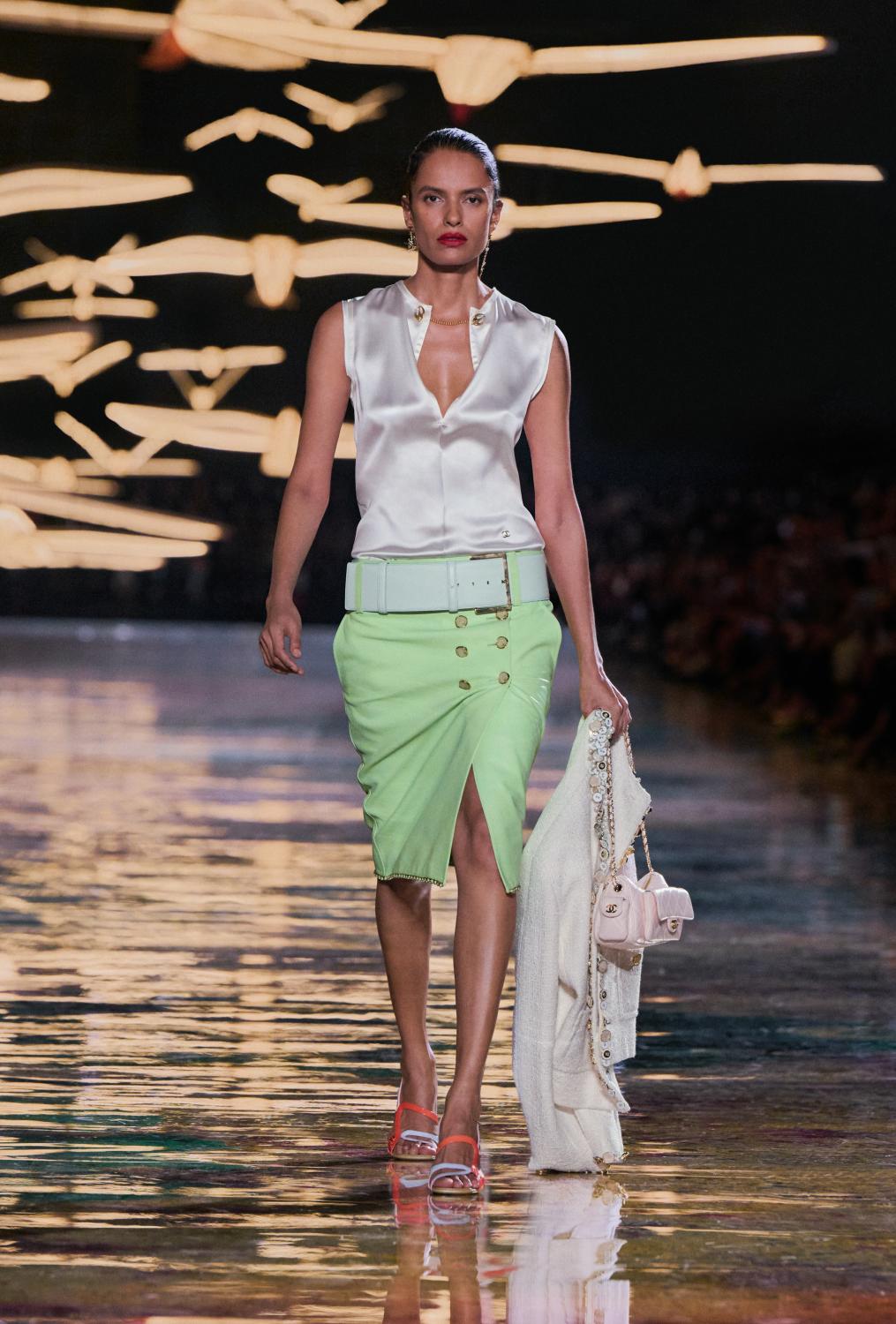
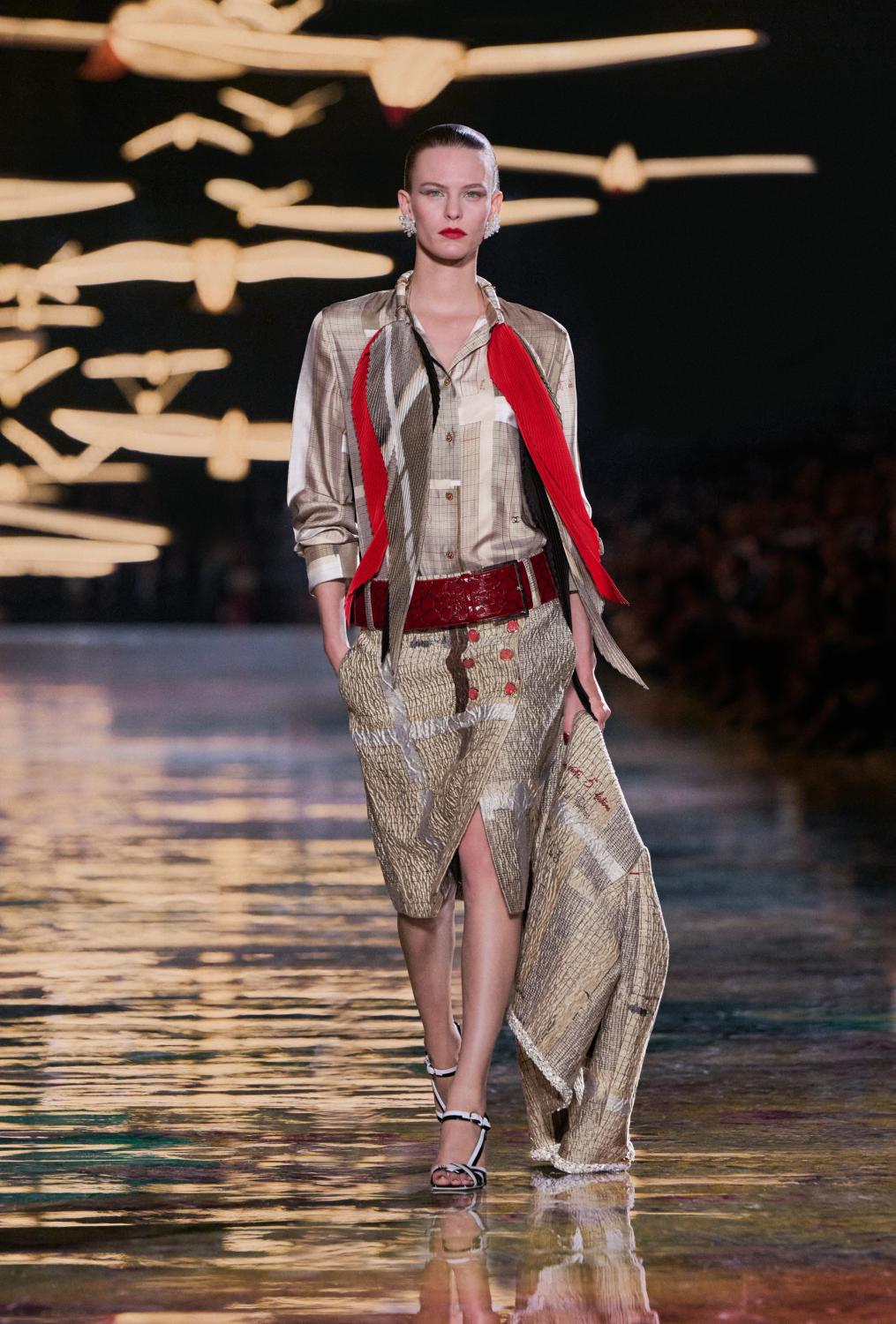
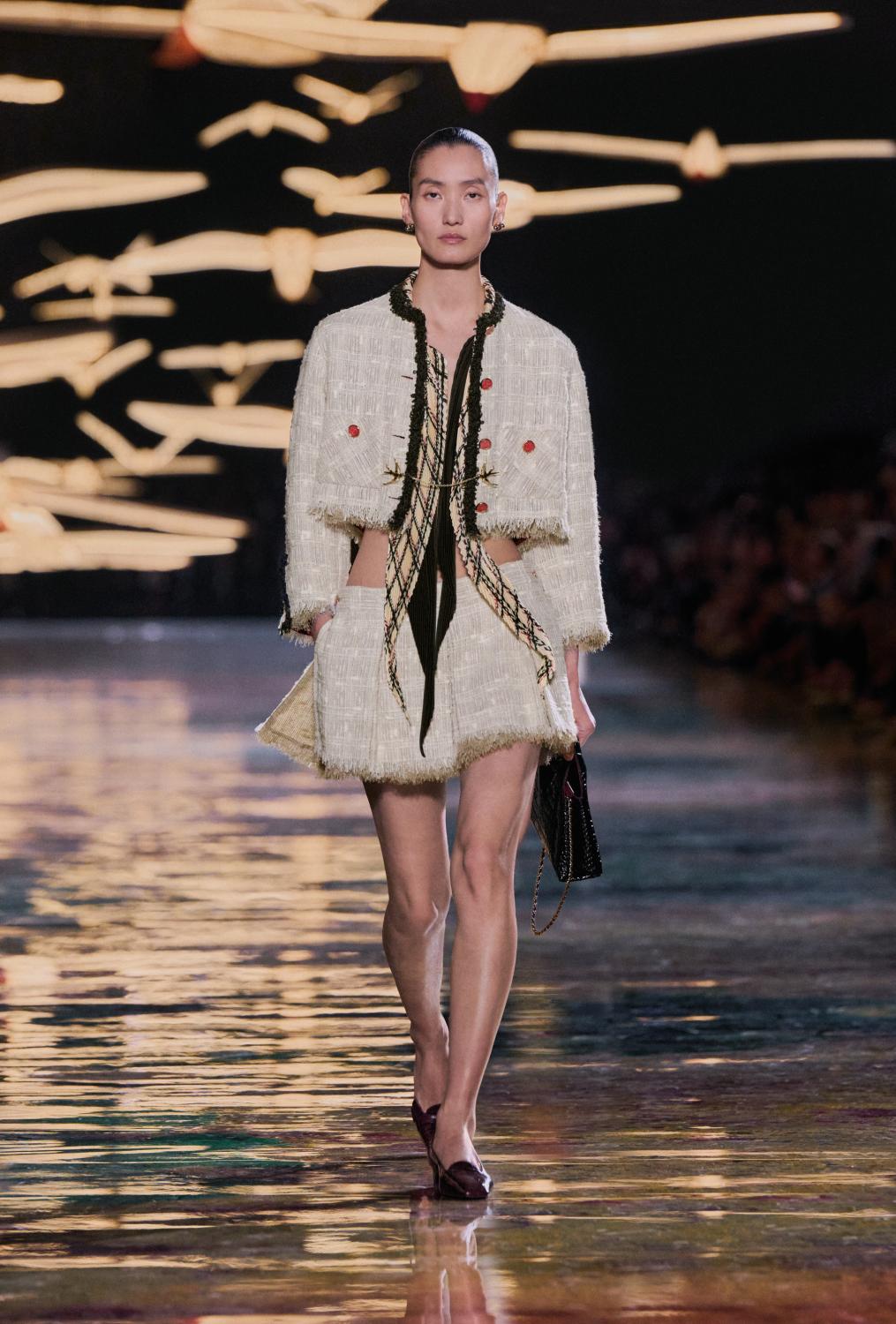
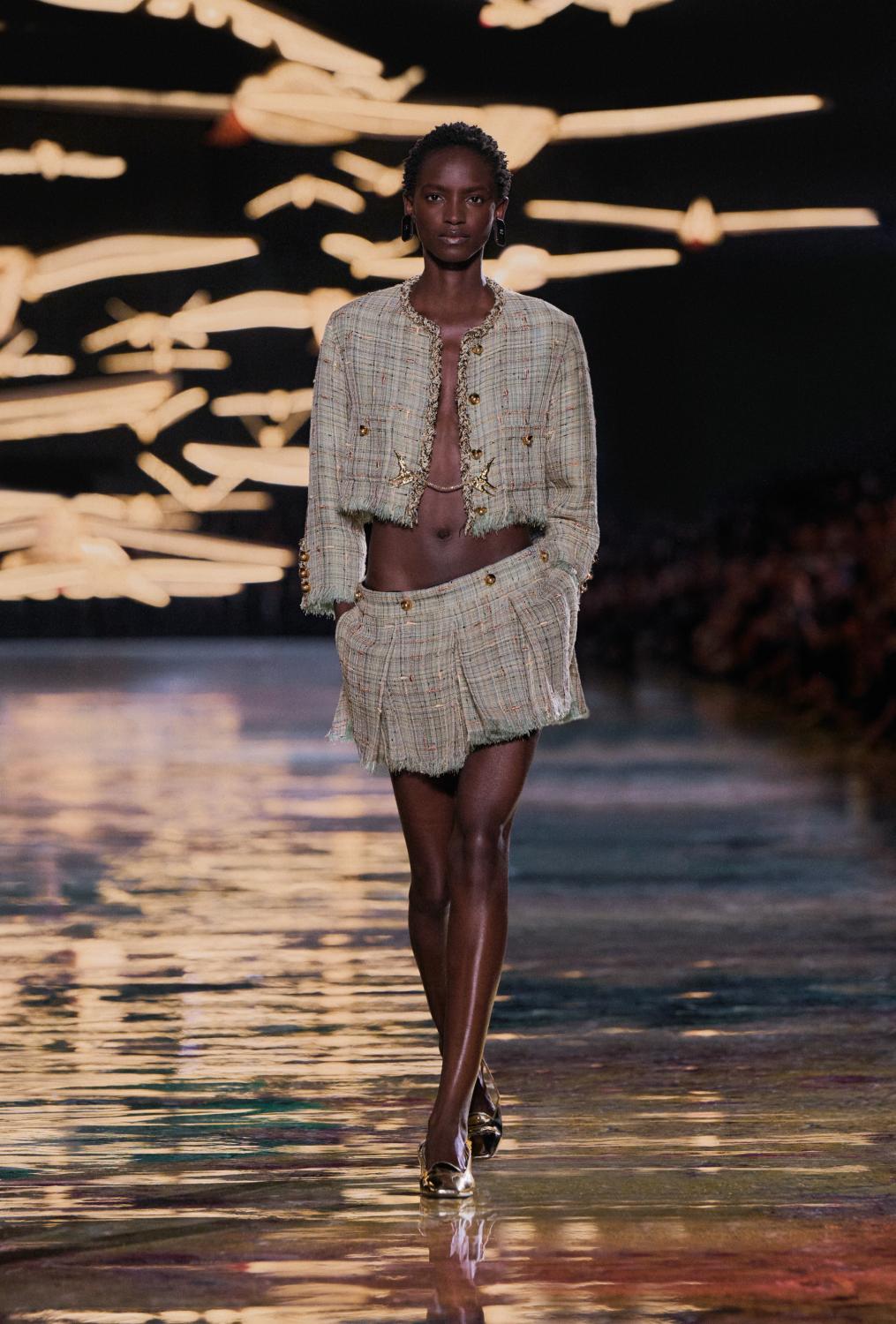
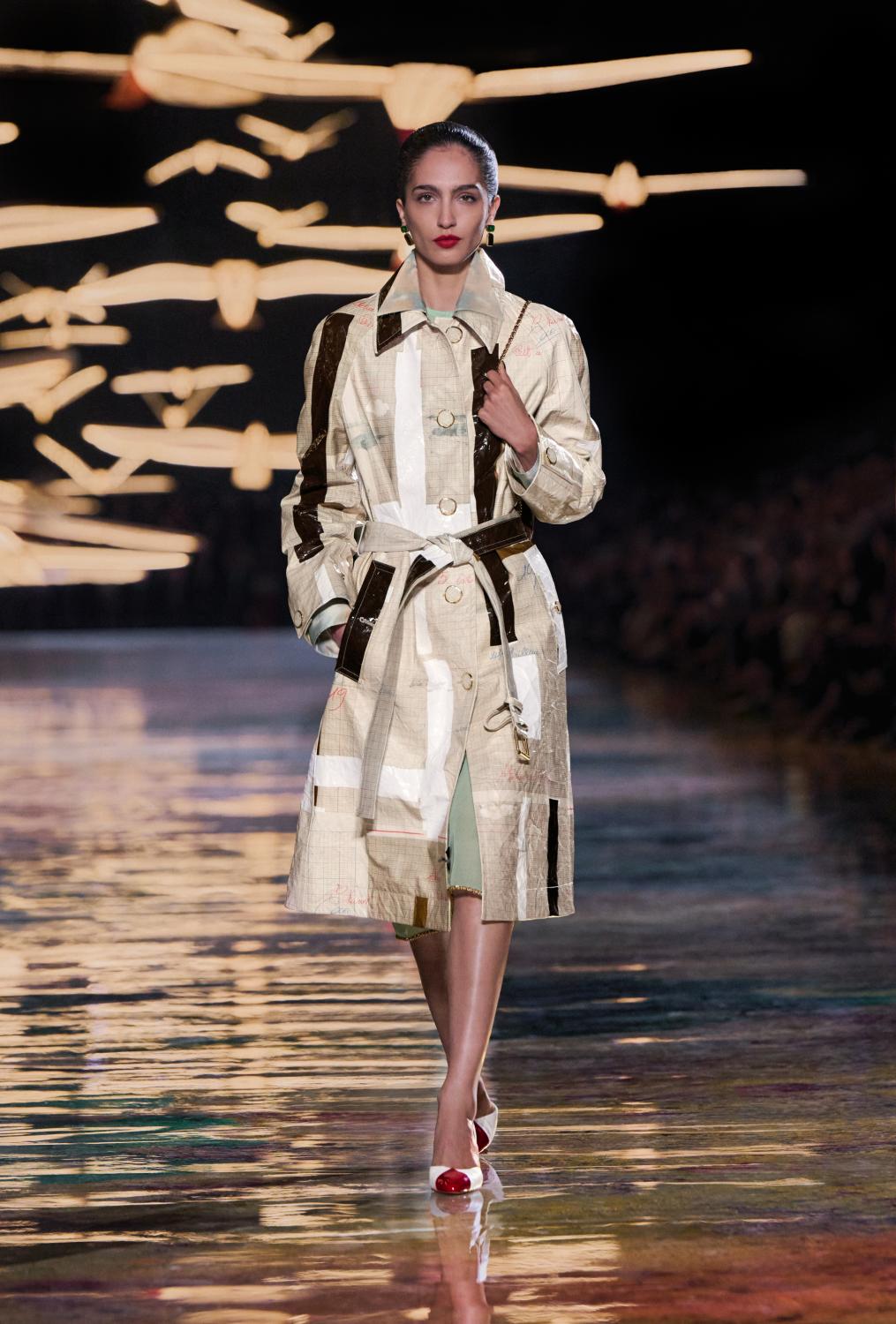
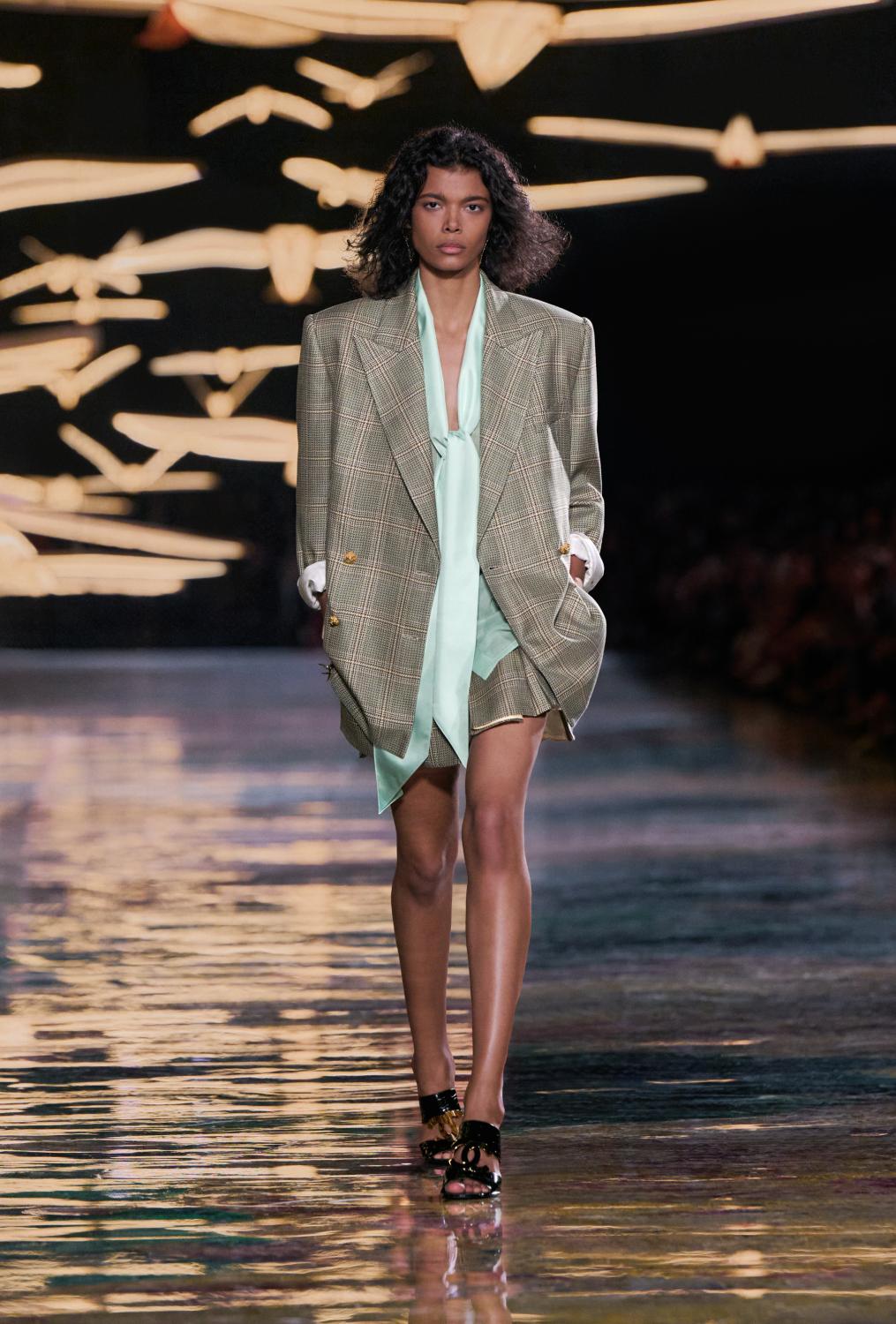
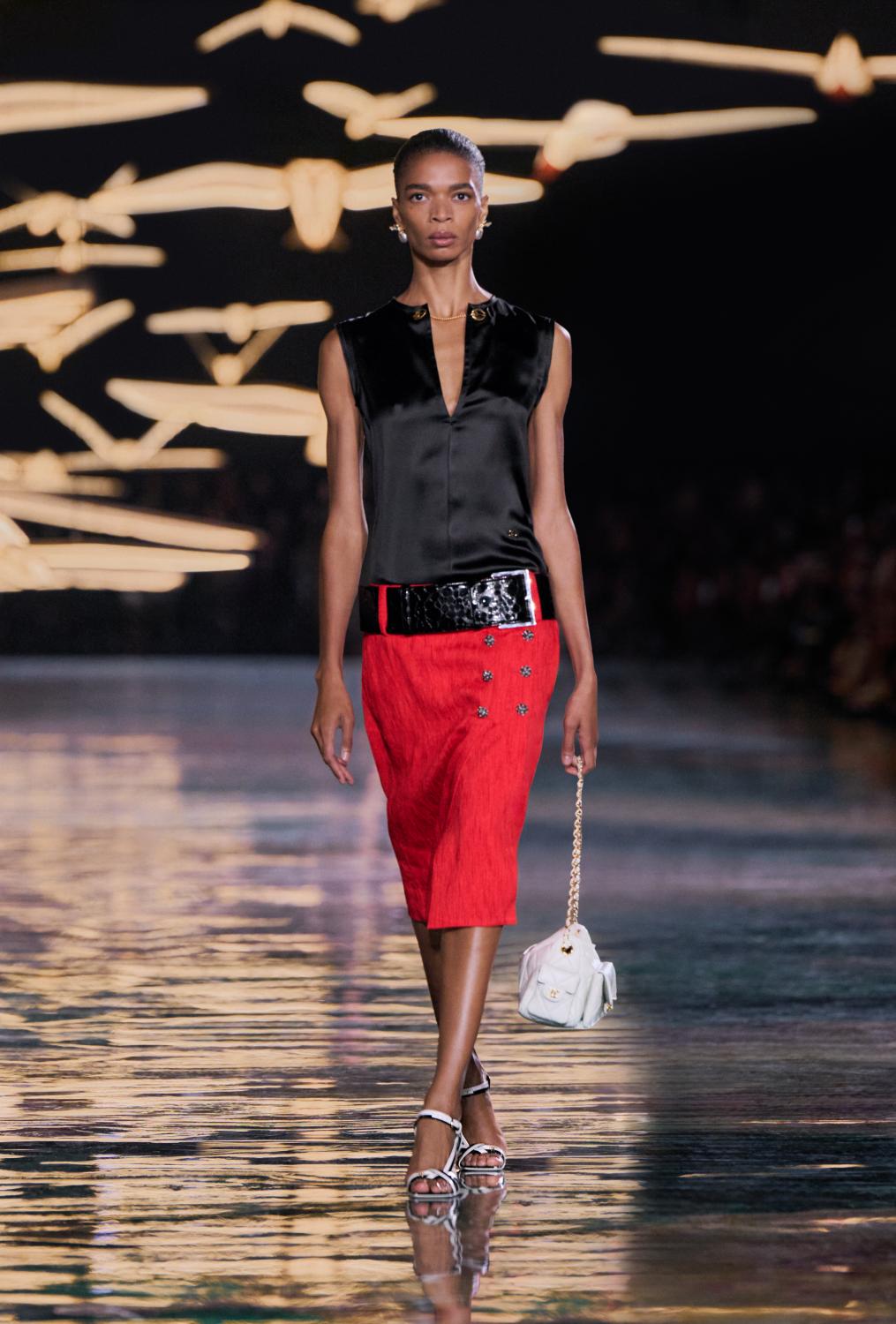
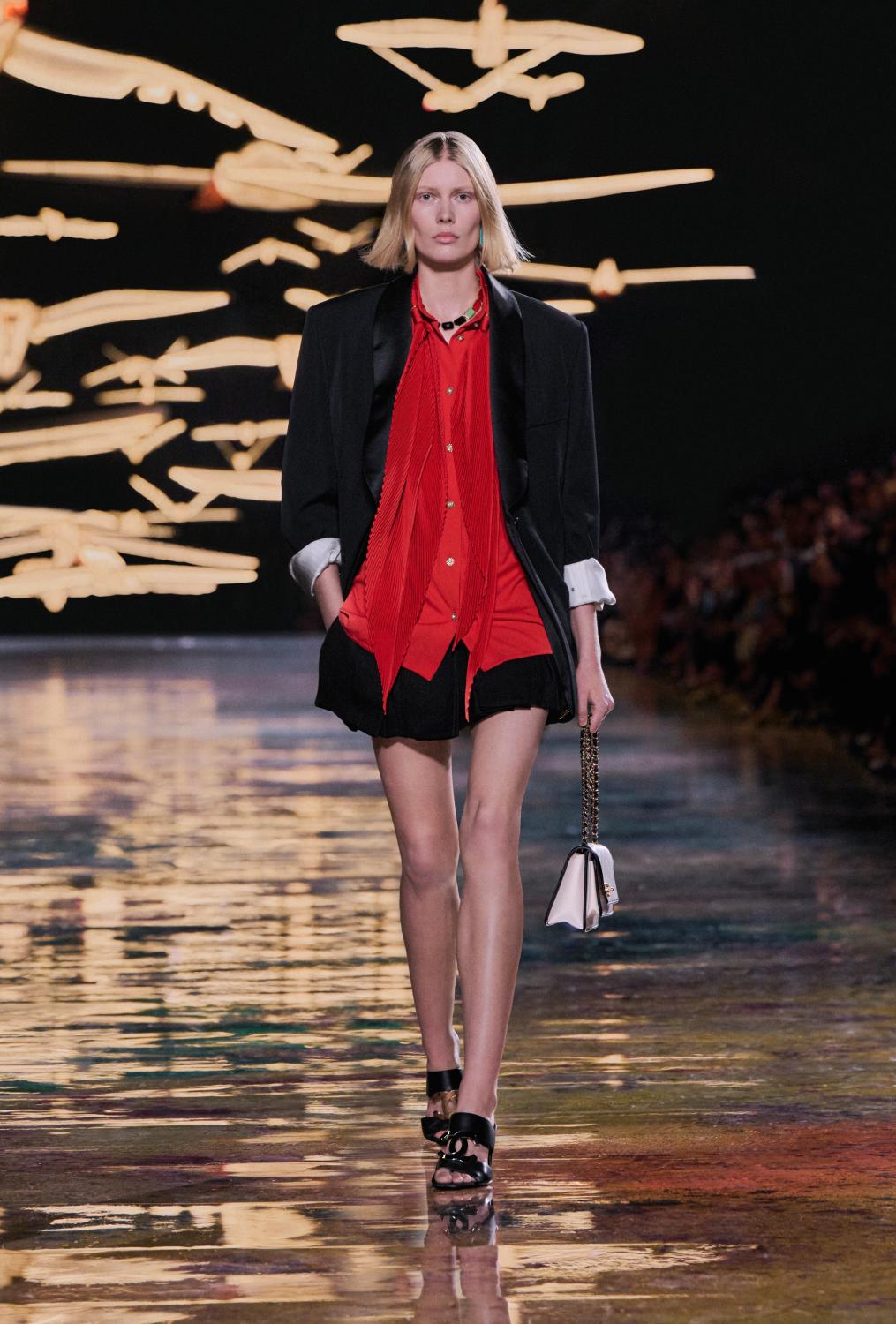
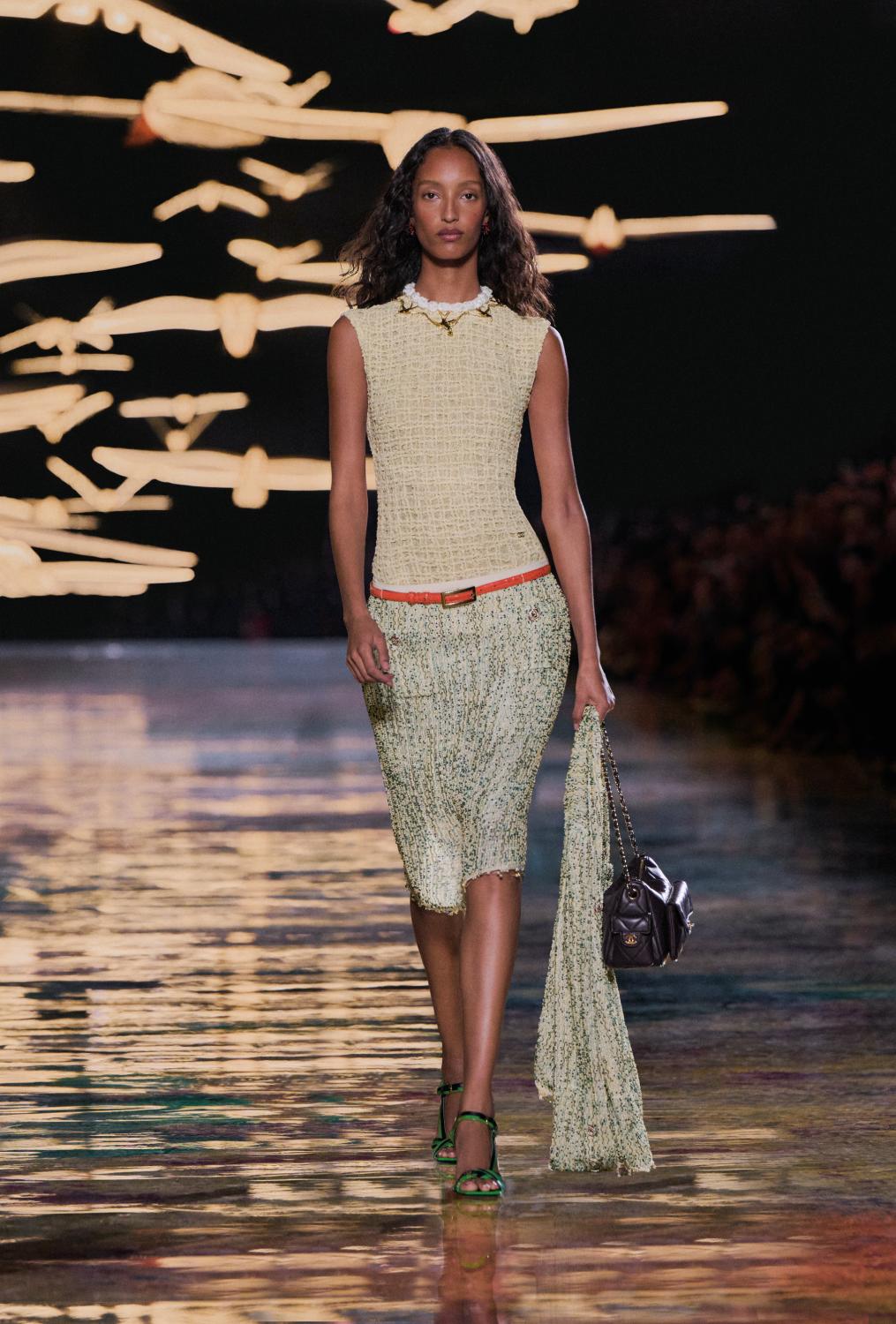
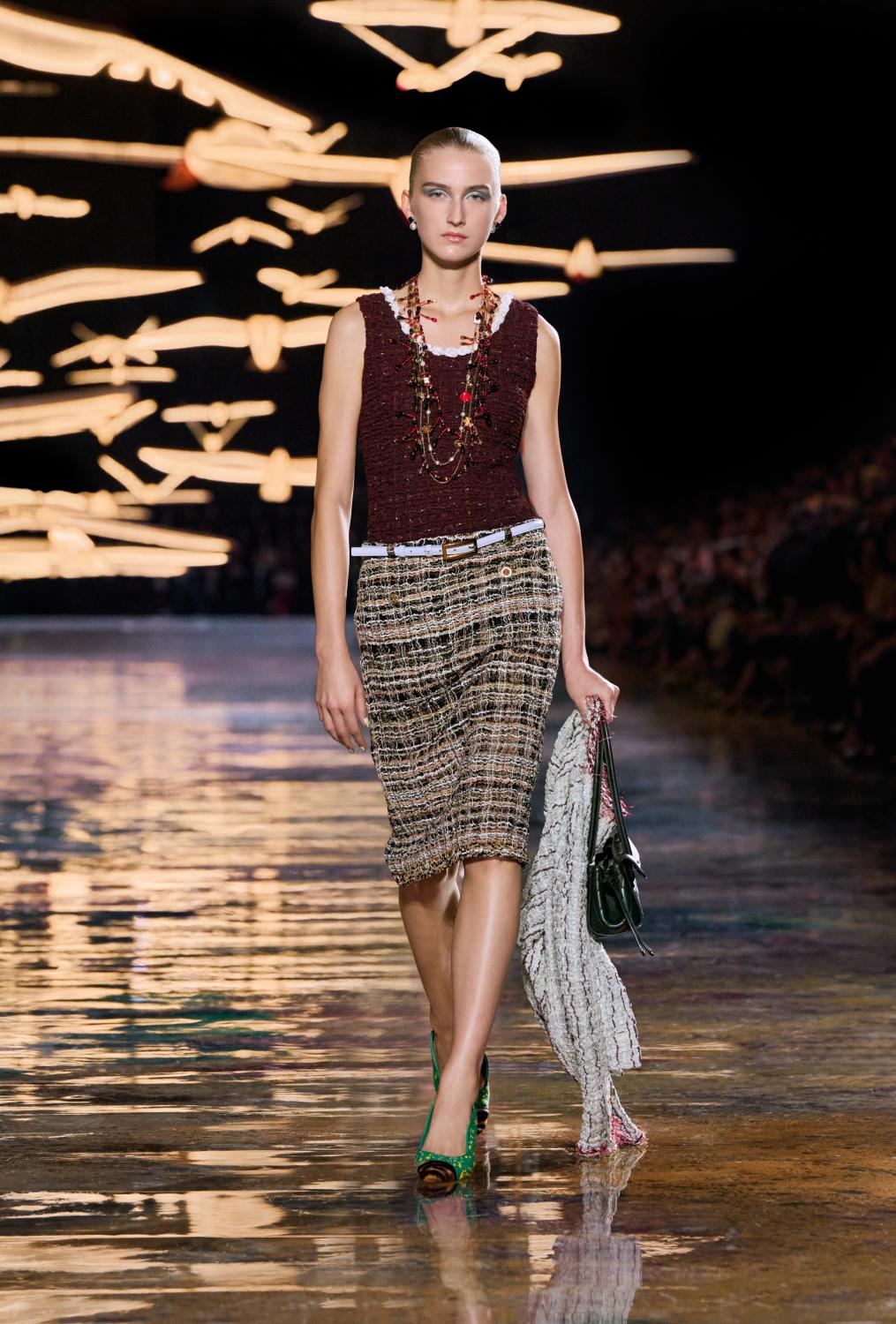
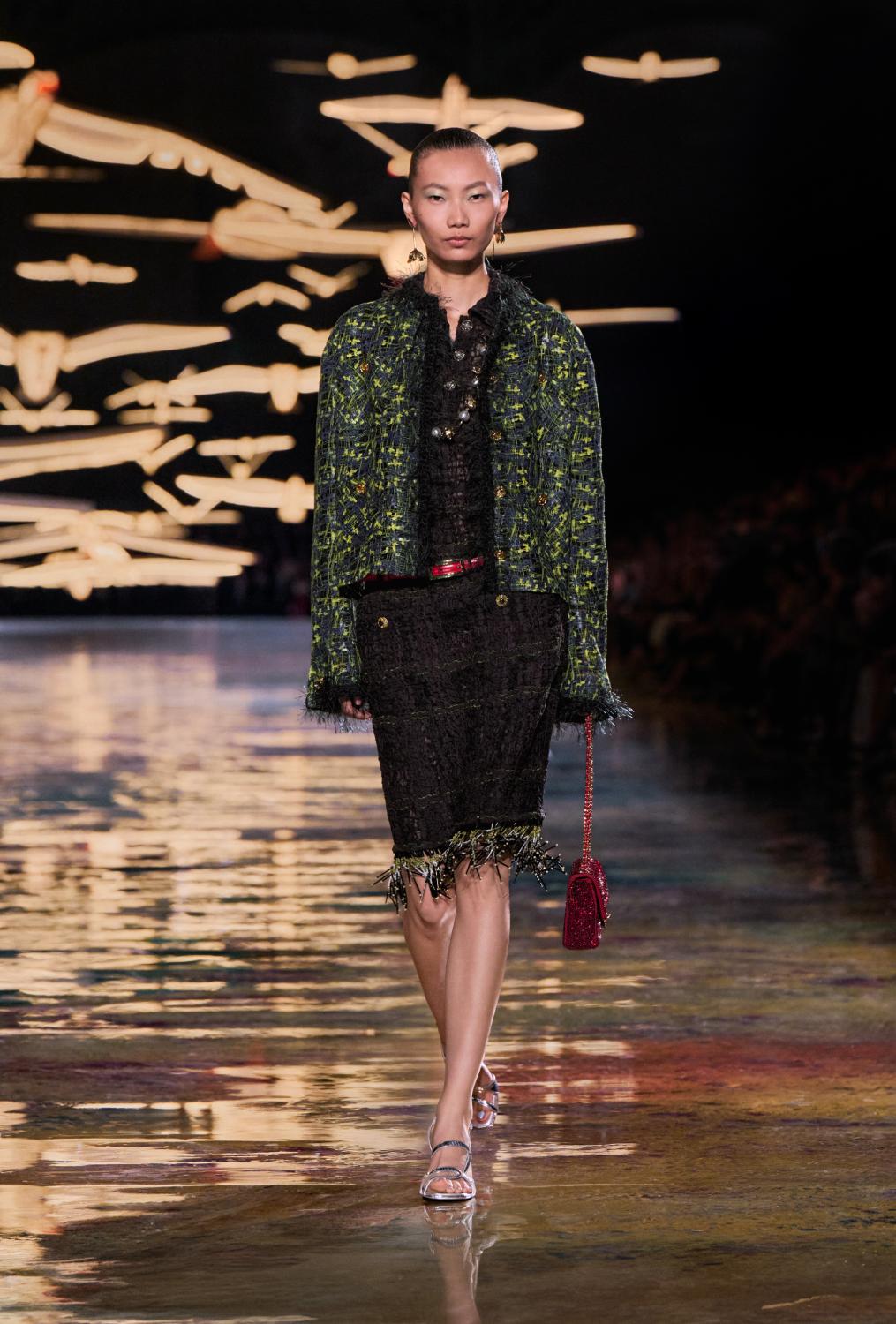
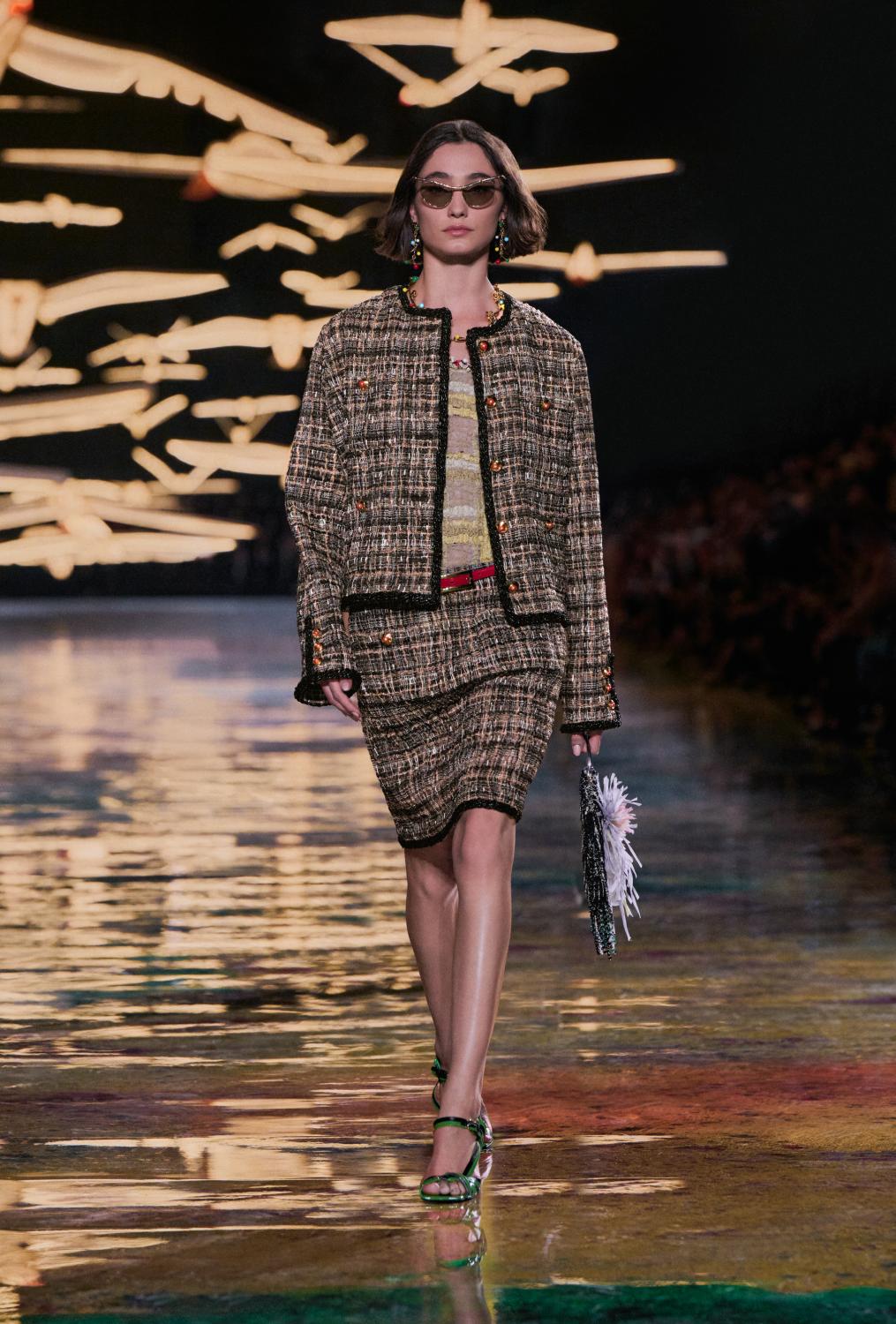
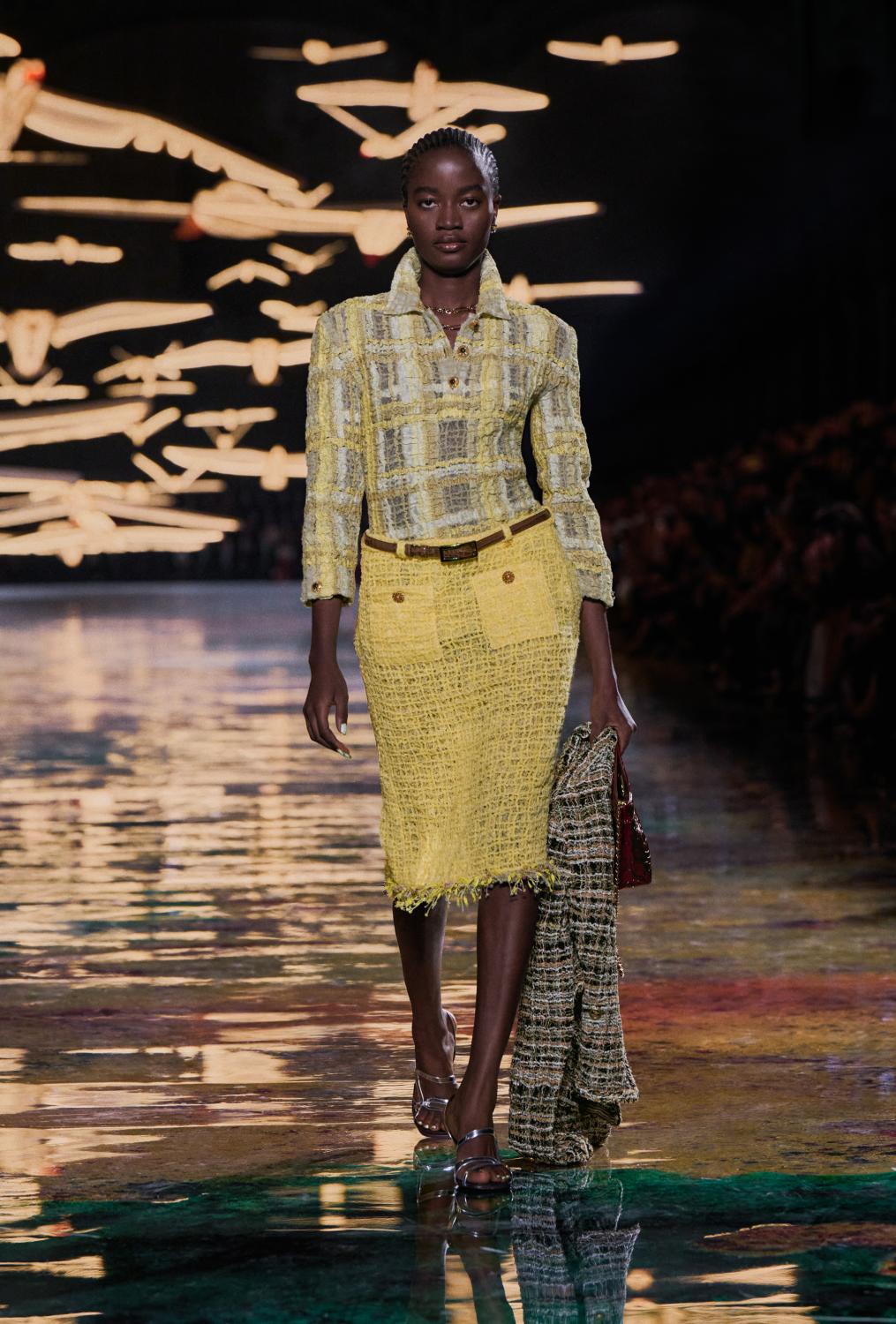
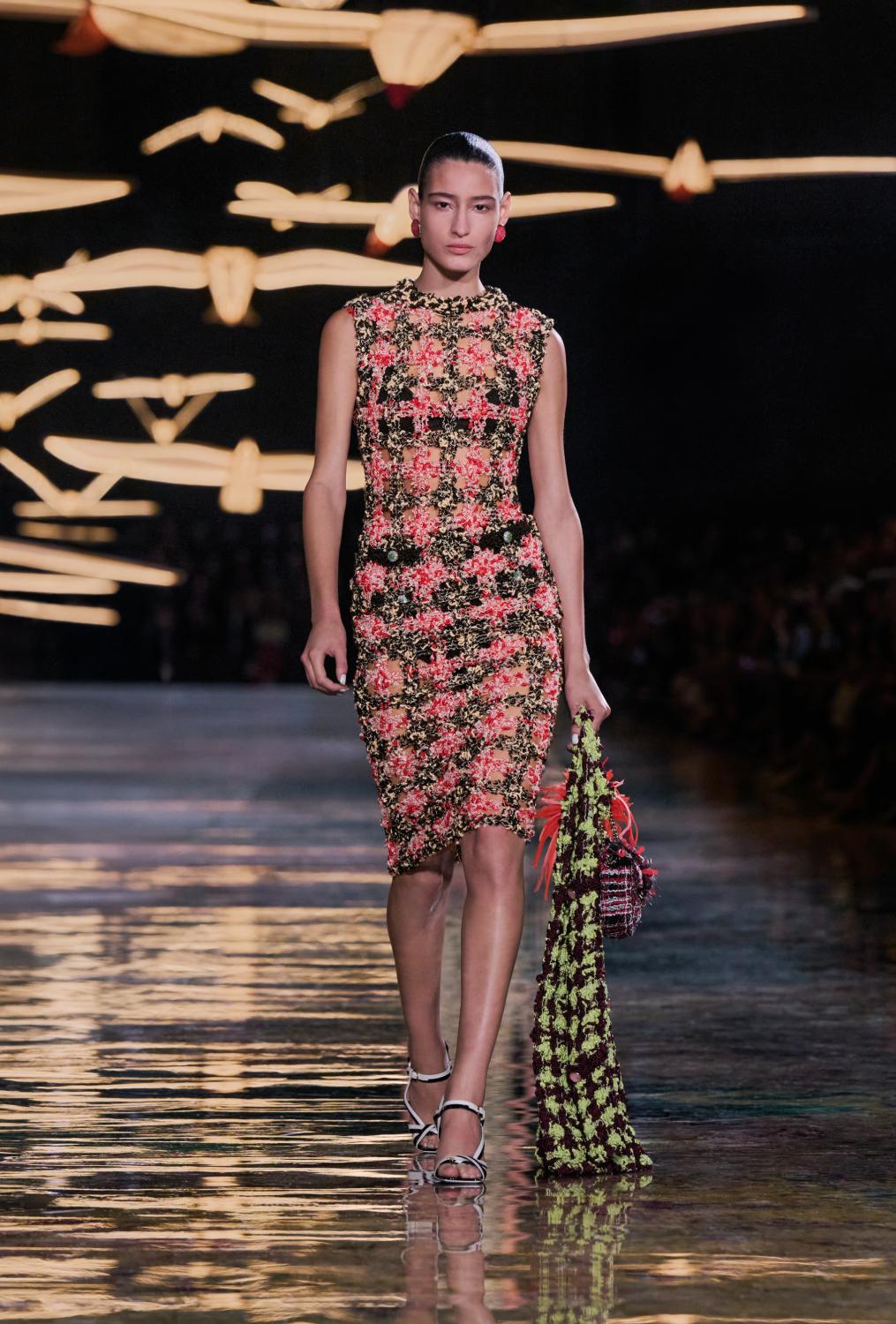
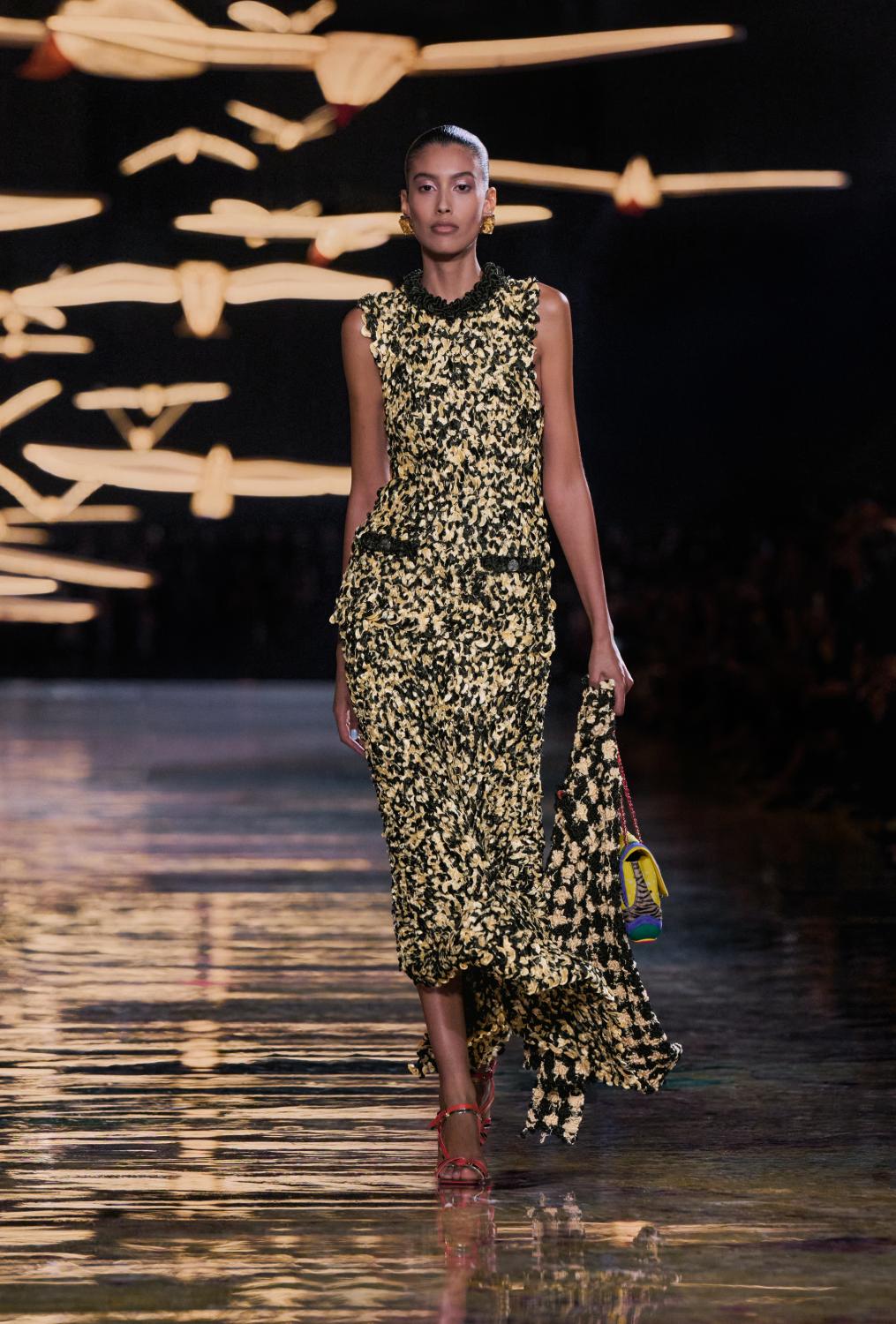
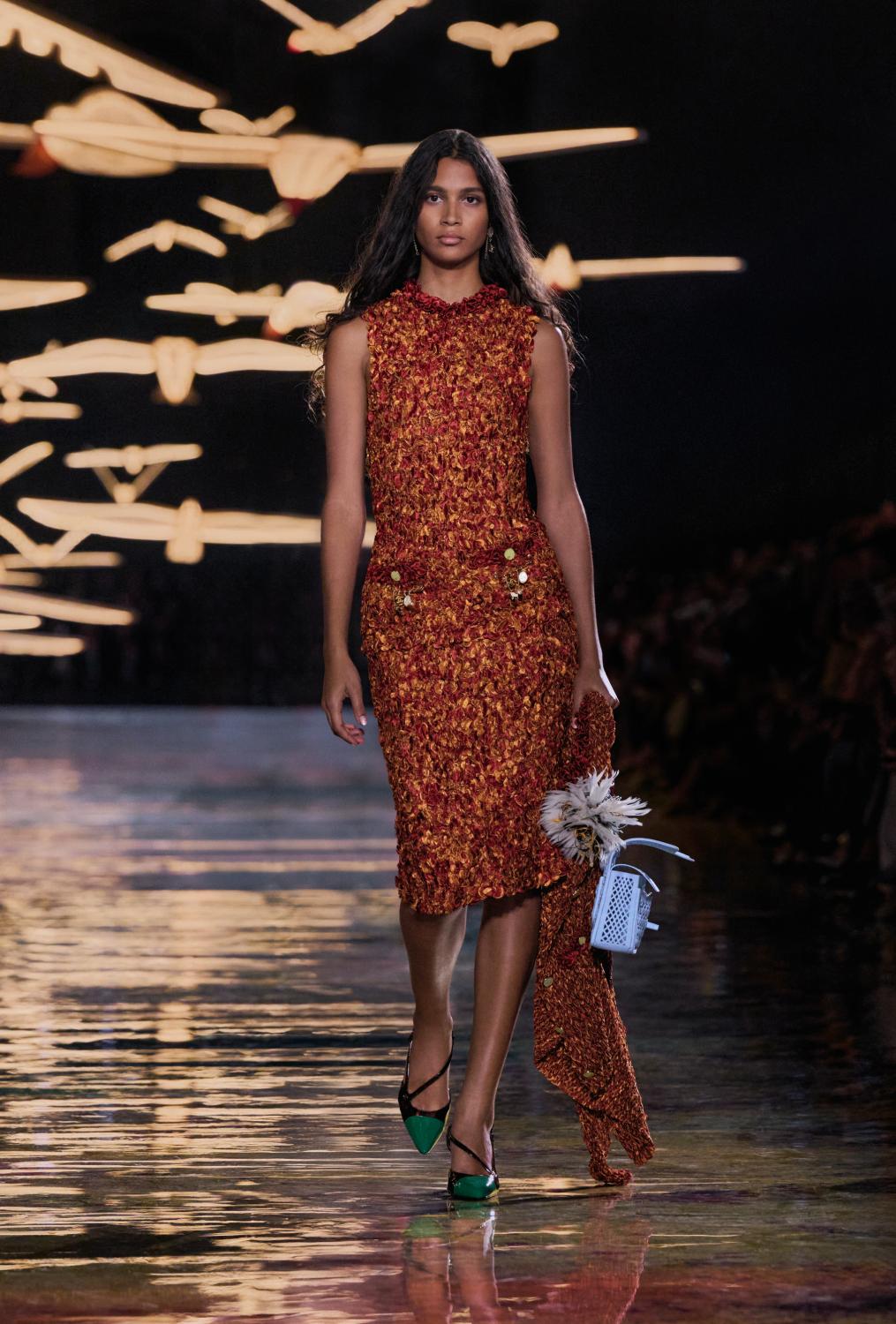
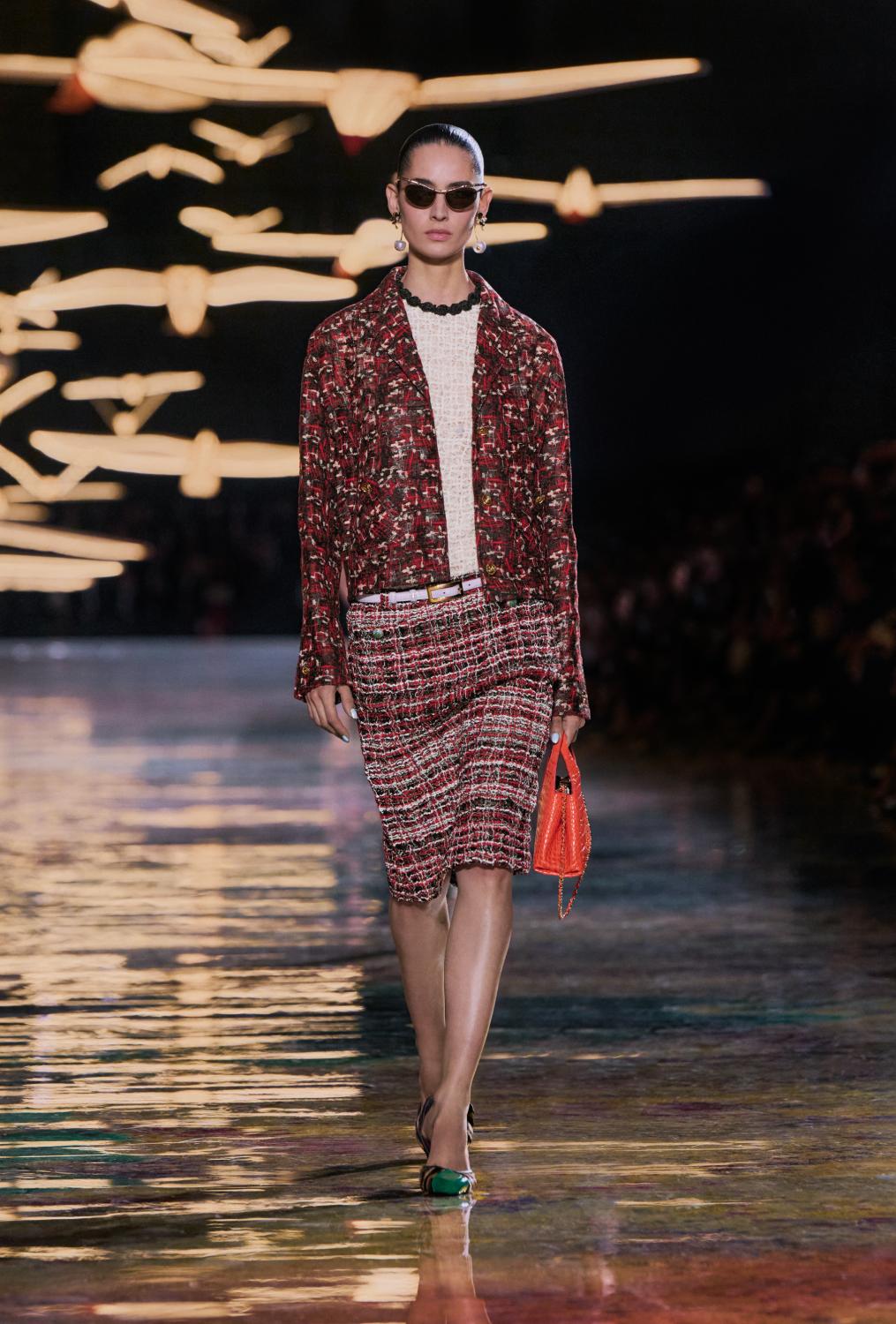
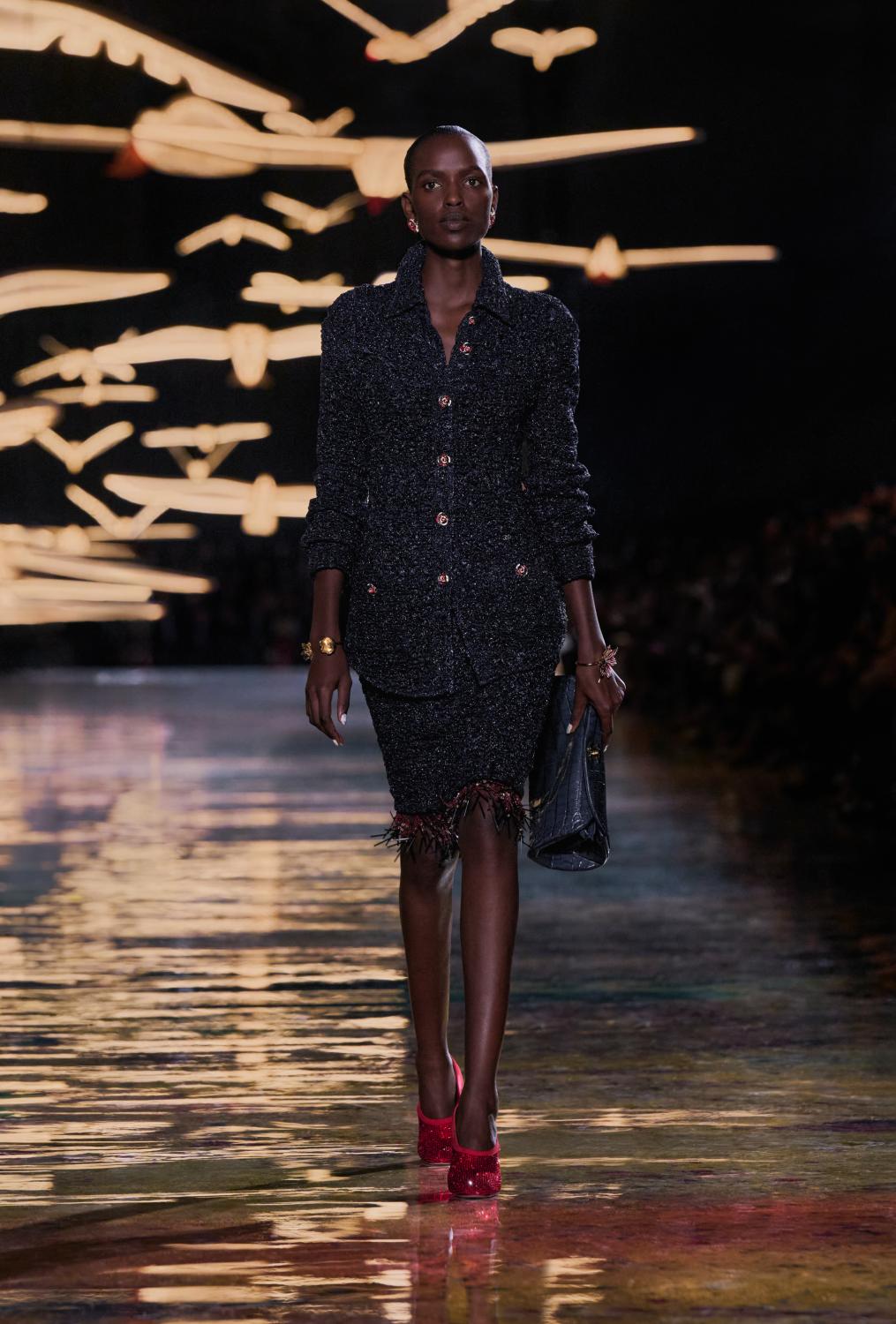
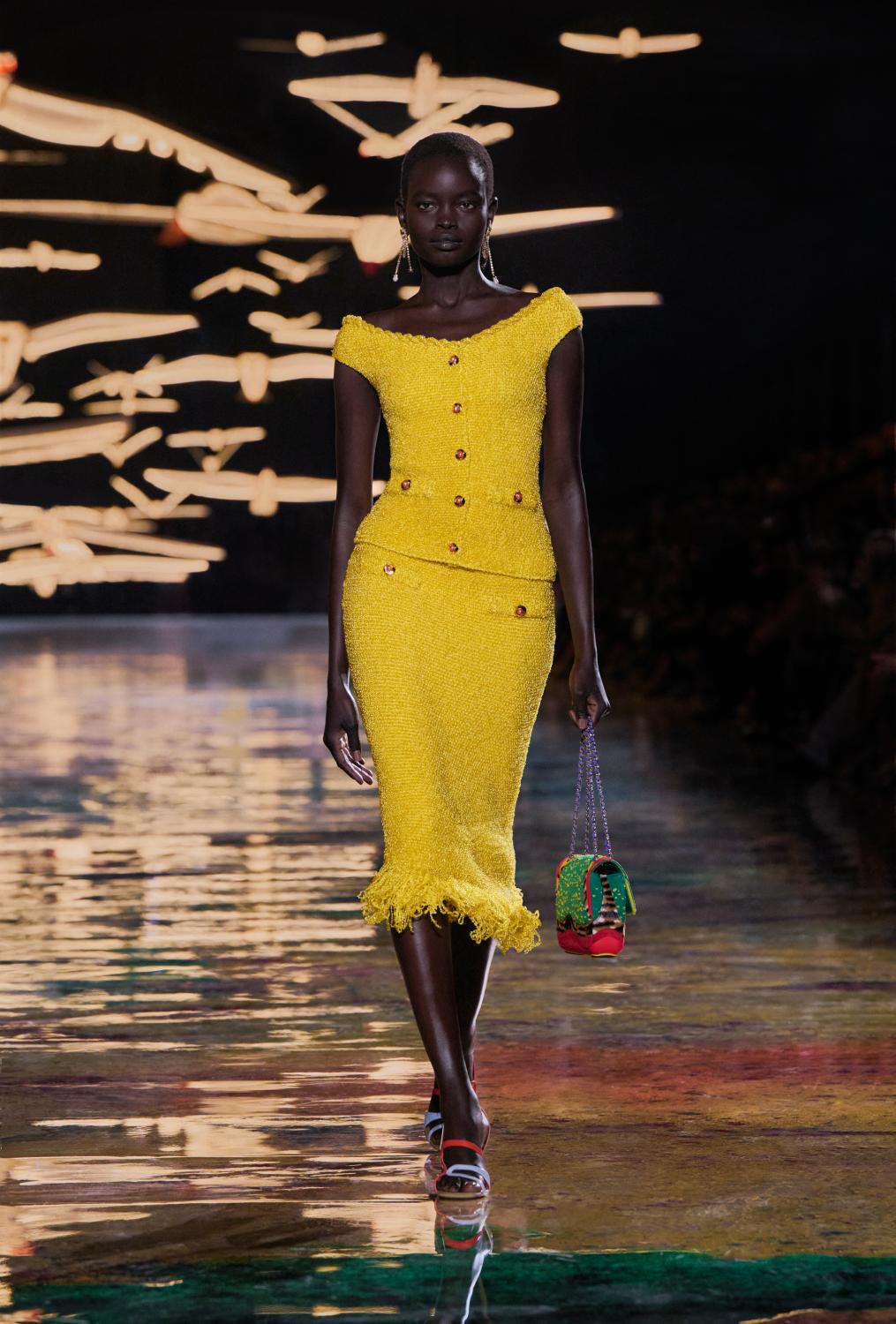
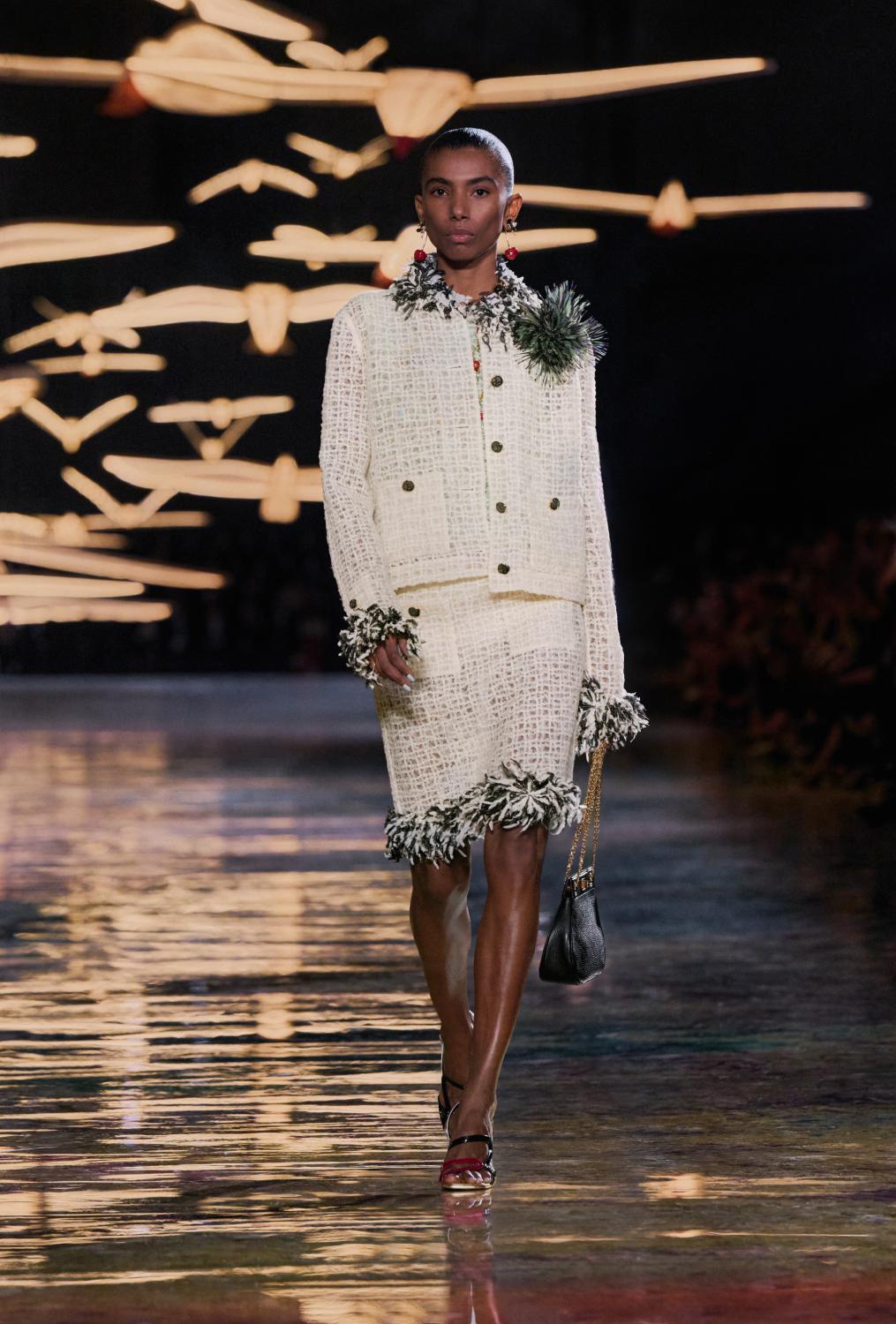
Fashion is malleable and transformative, transmitting from the past to the present and into the future. Fashion identities shift and change, yet in relation to one woman, they are always different and always the same. In this season’s collection, Matthieu Blazy, Artistic Director of Fashion Activities, honours these multiple selves in his ongoing conversation with Gabrielle Chanel.
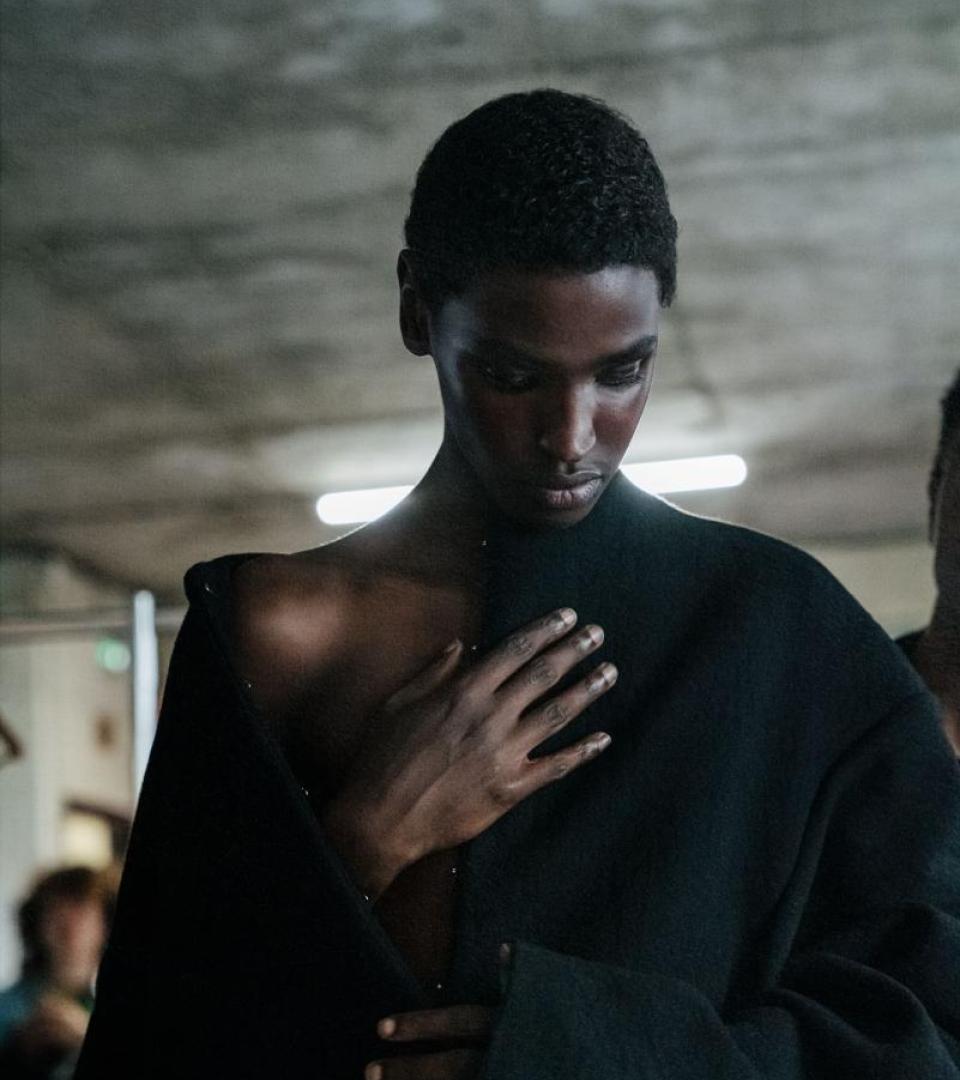
Spanning from her beginnings to her later years, from the revelation of jersey underwear at the inception of the collection to her postwar work on the suit, worn here as a second skin against bare flesh, as lightly as a perfume. Here, the Chanel fashion continuum proves multi-layered and circular, with the beginning informing the end.
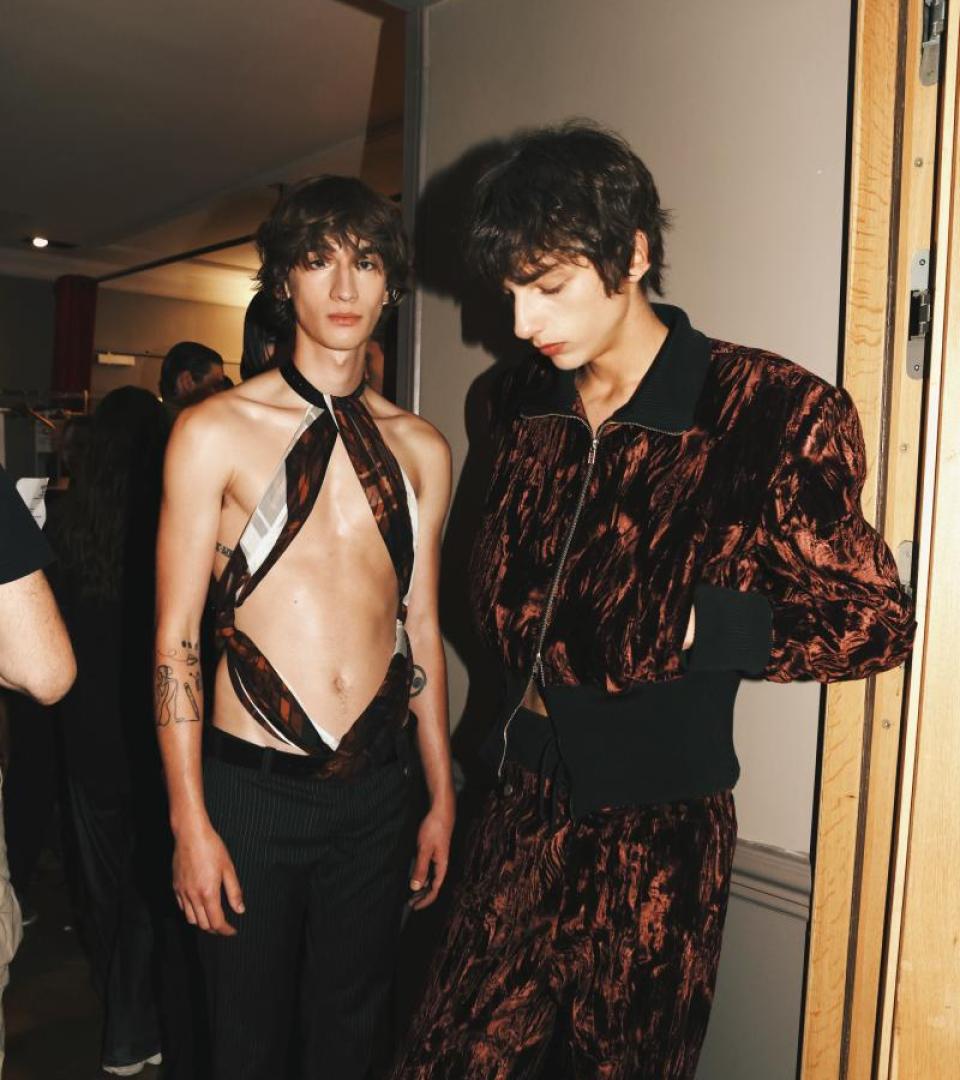
In the collection, the young Gabrielle becomes the various Chanel women she will be. They carry one within the other, a layered history of selves within a layered history of the clothing she wore. This is her personal fashion journey: from the strictures of Edwardian corsetry and tailoring she once assumed and rebelled against, to her reconfigured, revolutionary ideas of suiting, slipped on and lightly sported. Identities are tried on, enhanced, added to, played with, or at times discarded and fought against. They leave traces of their former incarnations behind; lines of shadow boning, the flourish of a peplum, the ruffle of a collar, the curve of a bodice, becoming the ghostly remnants of fashion lives past.
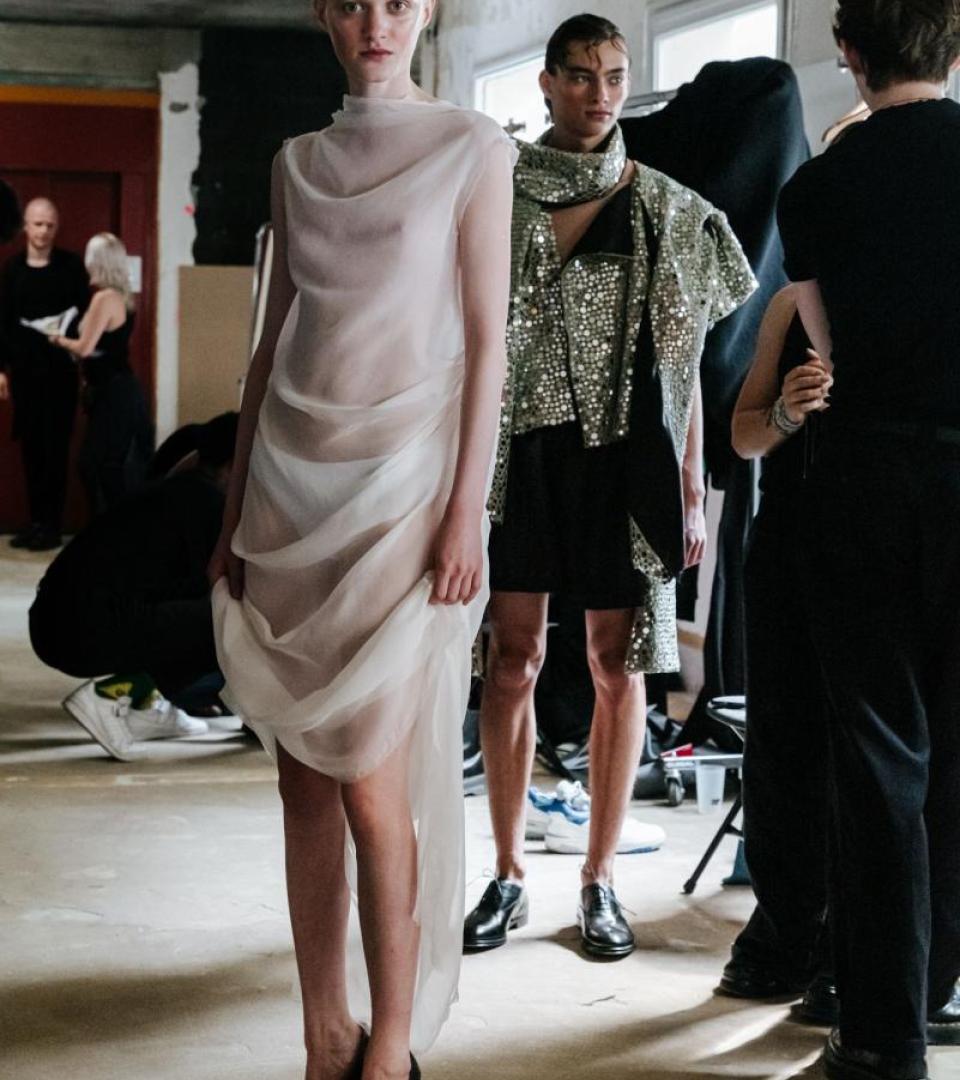
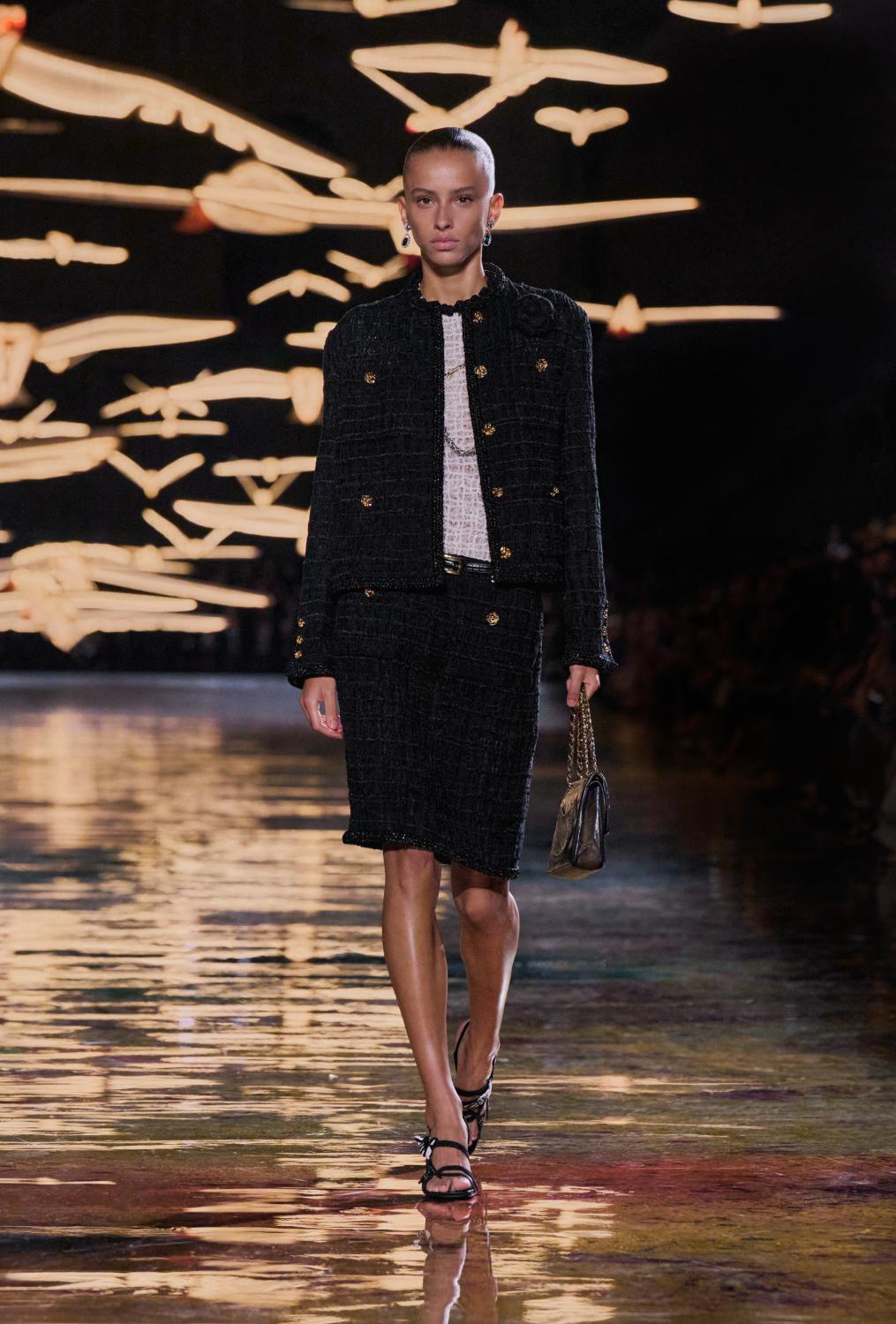
From construction to deconstruction, her revelatory exploration of masculine tailoring returns: men’s formal day and evening wear is cut raw-edged as gilets, worn with trousers, or reconfigured into pencil-skirt suits. The men’s world glides into the women’s with thirties-style formal gowns, sequined and bias-structured, or knitted and beaded, light enough to slip on and wear with the ease of a T-shirt. The paradoxes of femininity are at the heart of each.
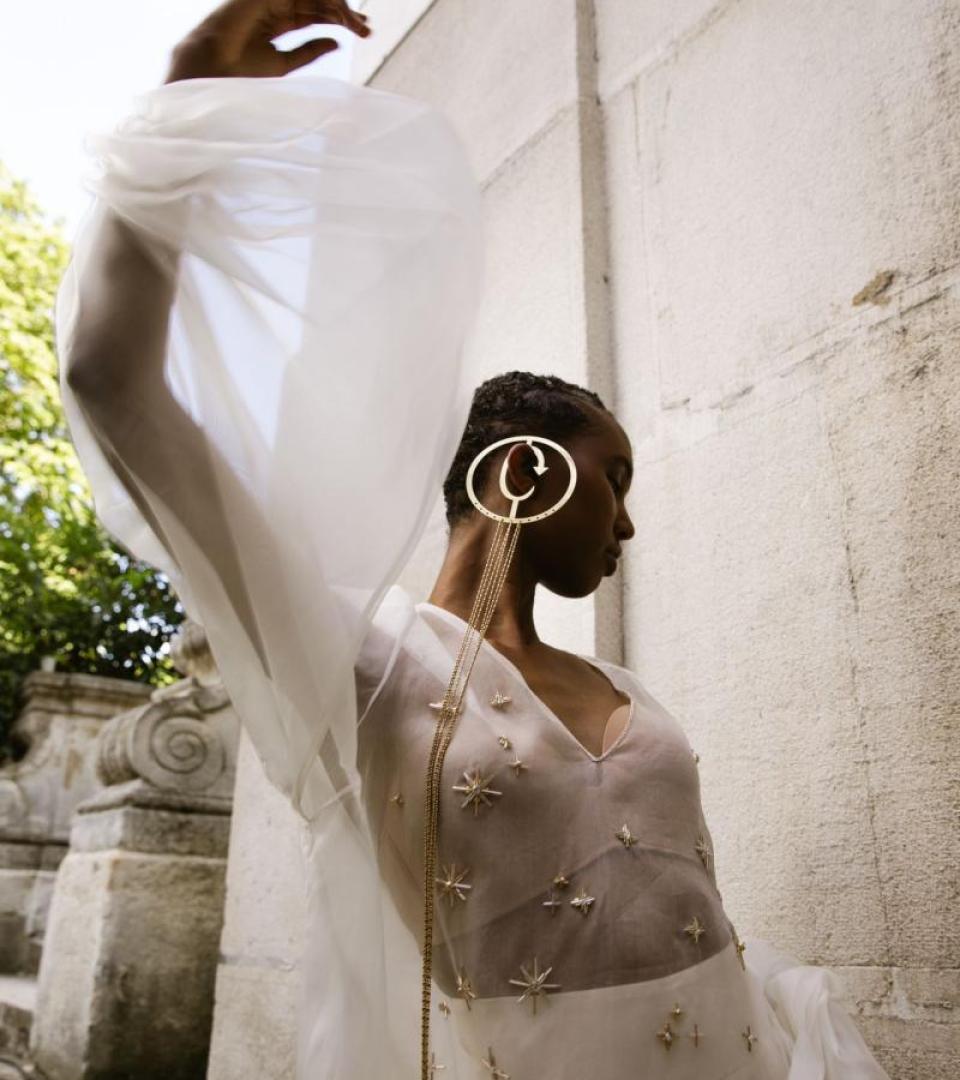
Yet perhaps the flou is most startling when it mimics the time-lapse of cloud formations, achieved by layering different weights of printed silk transparencies and billowing cuts. It marks morning, the golden hour and nightfall; the passage of time.
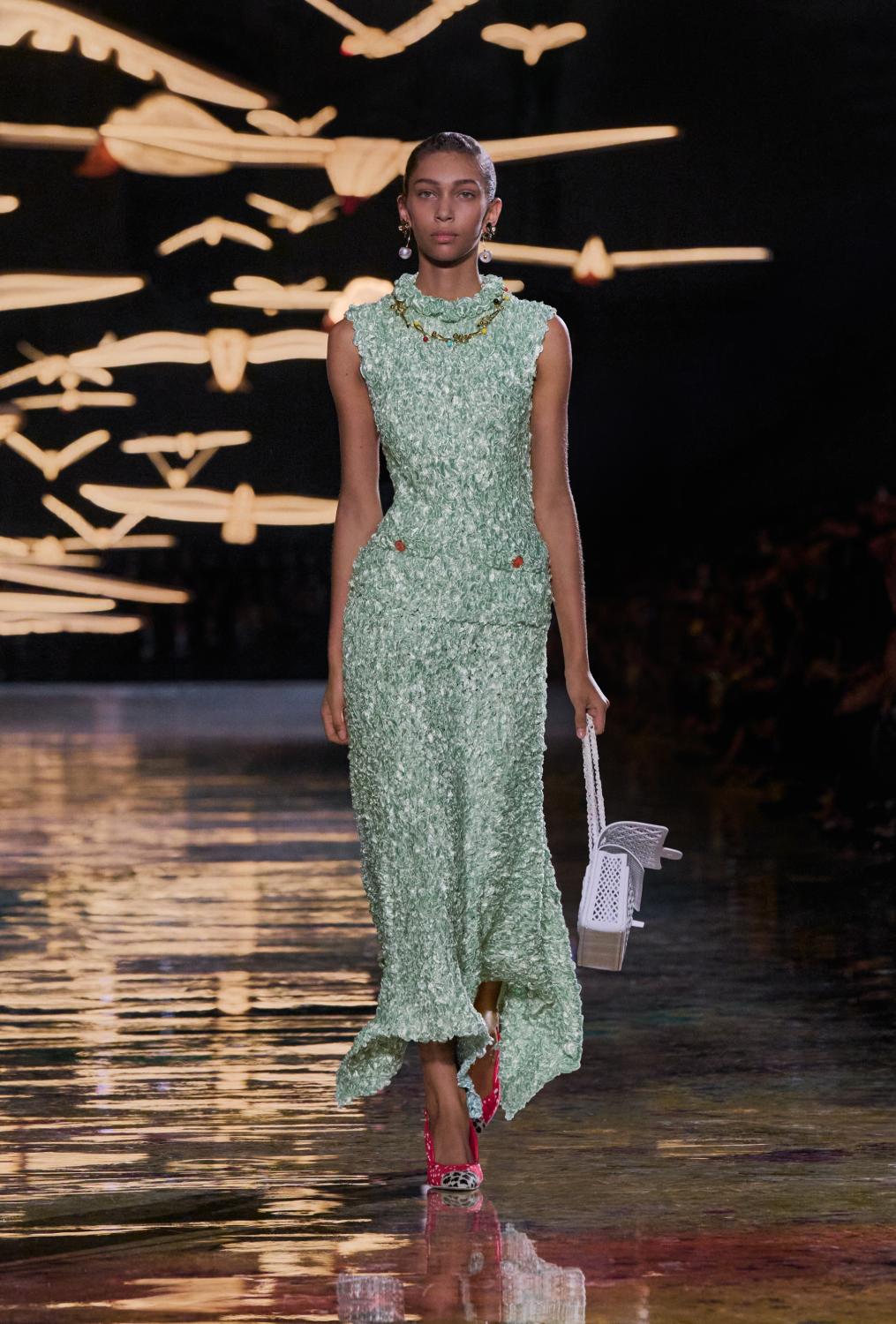
Symbolised by the bird, particularly the swift and the swallow, a sense of freedom takes flight through the clothing, at times alighting in its avian embodiment as buttons, jewellery and embroidery. Yet it is in the atelier’s incomparable fabric development, both woven and knitted, that its supreme skills shine, propelling a notion of freedom through movement and lightness. Here, the Chanel philosophy becomes not just a motif but a design for life, something at the heart of the house. As with freedom itself, this is not just about seeing but about feeling.
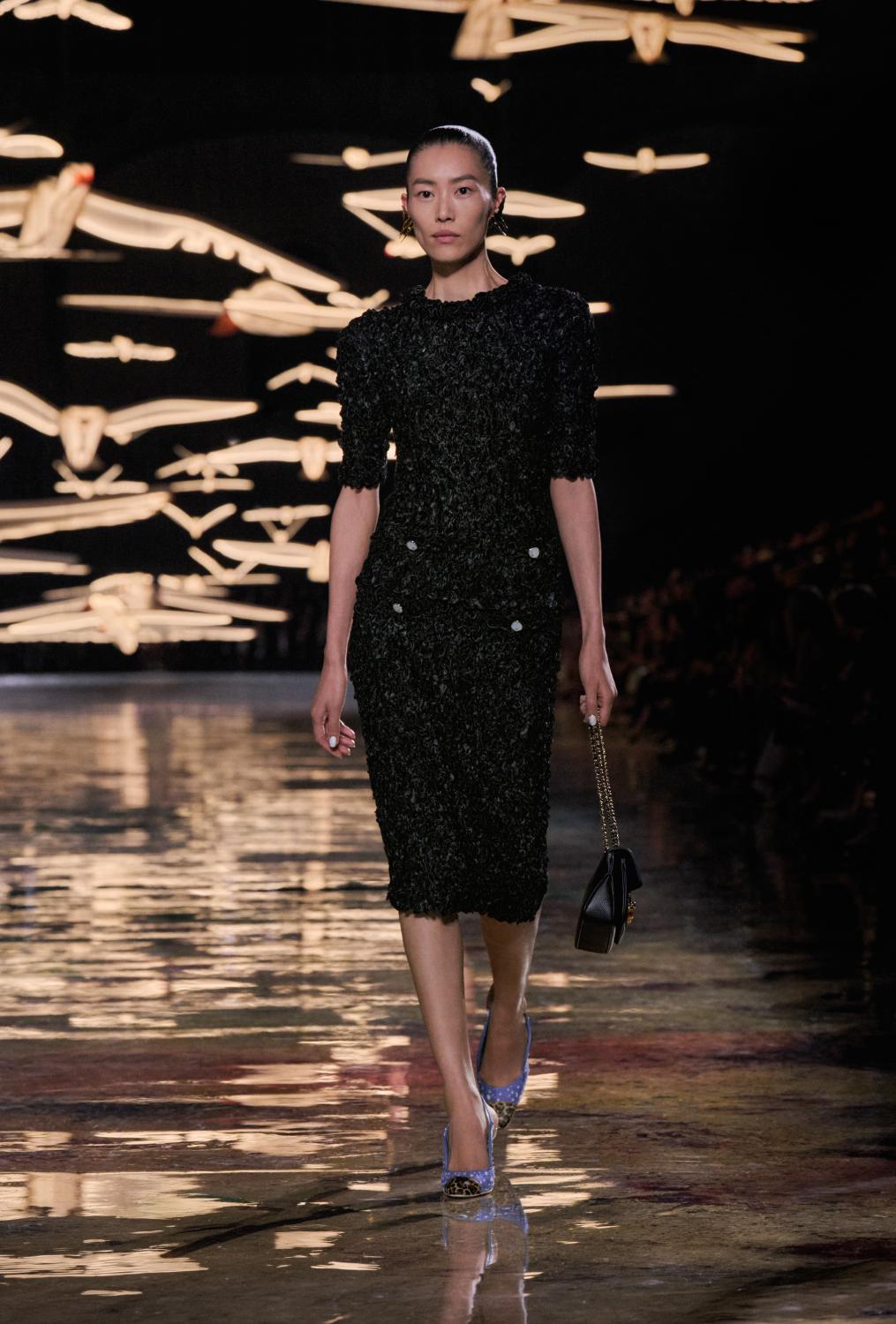
The final chapter of the collection comes full circle, from the second skin of underwear at the start of her story to the latest incarnation of the suit in the new ‘smocked tweed’. A startling innovation, the latter echoes the former in effortless lightness, malleability, and mobility through stretch, becoming a performance garment only possible today. Yet it continues the traditions of Gabrielle Chanel’s ultimate goals through dress: movement, self-expression, freedom.
Starting with Dyanira Hurbuscher, holding Gabrielle Chanel’s own 2.55 bag from the Patrimoine archives, the collection returns to it at the end, worn by the same model; the accessories reflect the same multiplicity of meanings and selves. Eras and epochs conflate, particularly in the array of flap bags, both old and new. From the maroquinerie elegance of a new classic, with its watch-chain lock, via the cloud bags and their markings of the passage of time, culminating in the birdcage minaudiere, with its escaped birds, a symbol and signifier, at once playful and profound.
“This is not a historical collection; it’s a collection about Gabrielle Chanel’s layered stories. Ultimately, Chanel took off, and each step she took led to her being free, like a bird.” Matthieu Blazy
*Mémoires de Coco, Louise de Vilmorin, Gallimard, 1999.