Is contemporary menswear speaking to men, or mostly to the Industry itself?
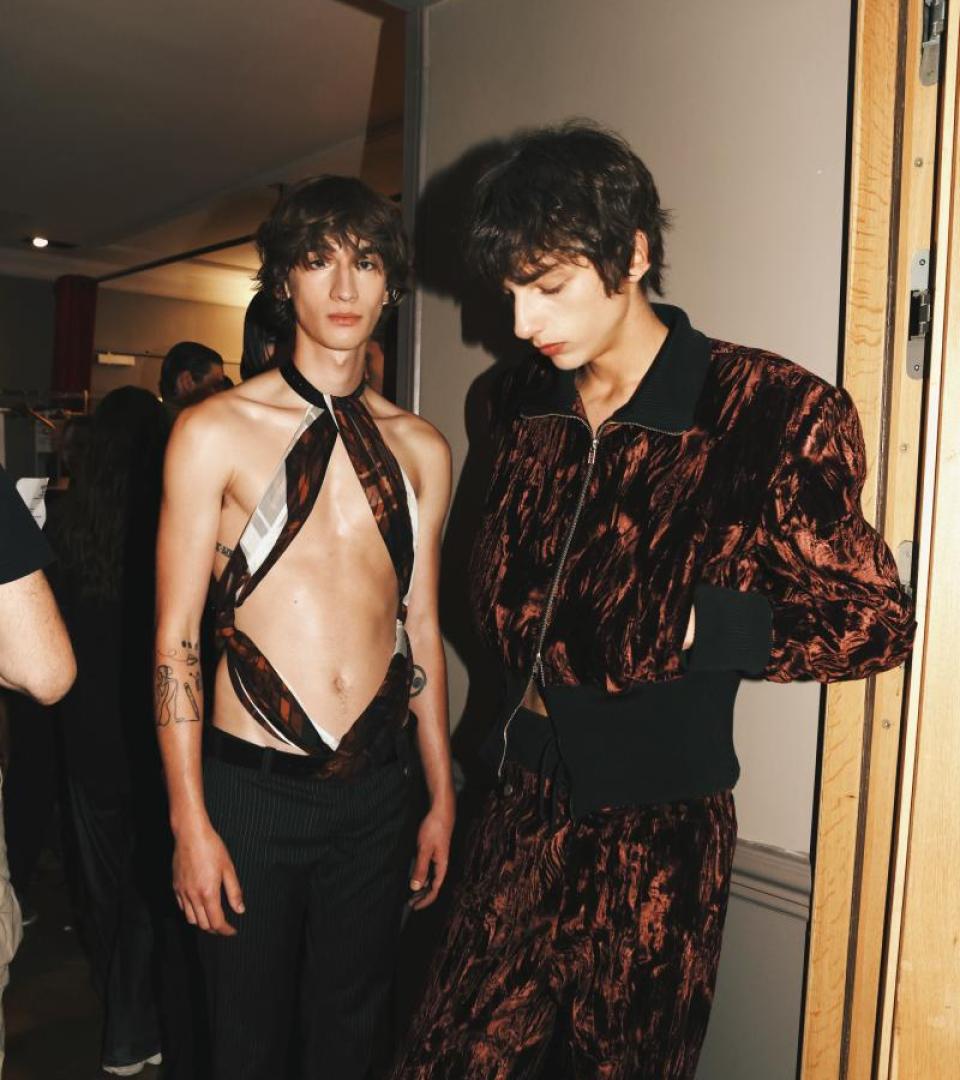
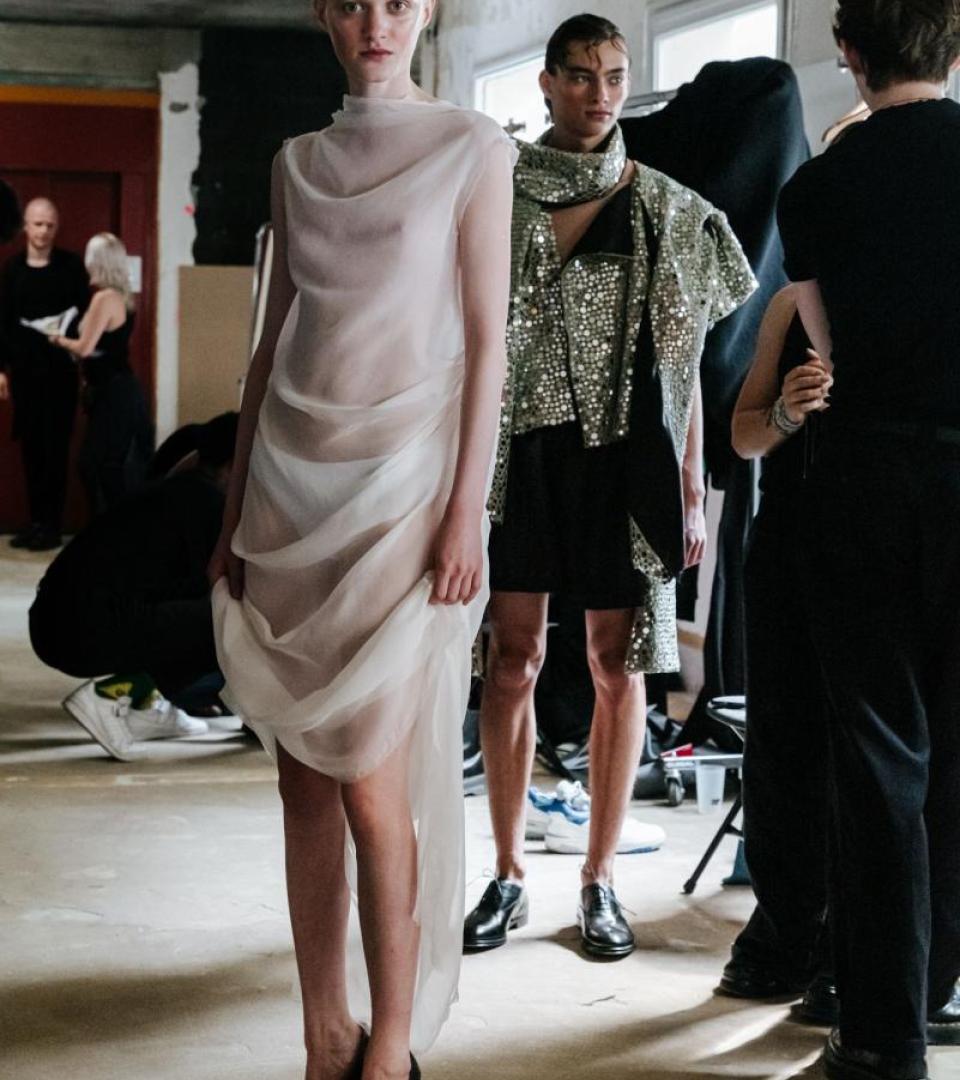
I’d say mostly to the industry, but it is not necessarily a bad thing, as something can always filter down from the fantasy world to the real one. My concern, however, is how much of what goes down the runways is actually sold by the fashion houses to retailers. Way too much of what we see is just wonderful costumes for performances - i.e. the shows - and we’ll never be able to buy them.
Menswear has never offered more freedom. Why do so many men still choose to dress within such narrow boundaries?
Cultural constructs, I am afraid, are difficult to tear down, and one-sided masculinity, hence a very plain take on dressing, is one of those.
Has menswear become genuinely more adventurous, or simply more complicated?
I’d say both - complication, sometimes needless complication, being a key of this chaotic, discumbulating, mesmerizing moment in history.
Was menswear more relevant to men 40 years ago than it is today? If so, why?
It probably was, but not only menswear: fashion in general. I think it was because designers and houses were keen on having an influence on life, and on the representation of men and women, through clothing. Design was an endeavor meant for real life, not just an exercise in absurdity for mere image-making. Now the focus has shifted on producing something as fickle as entertainment, and it shows.
What is the biggest disconnect between contemporary menswear and the men expected to wear it?
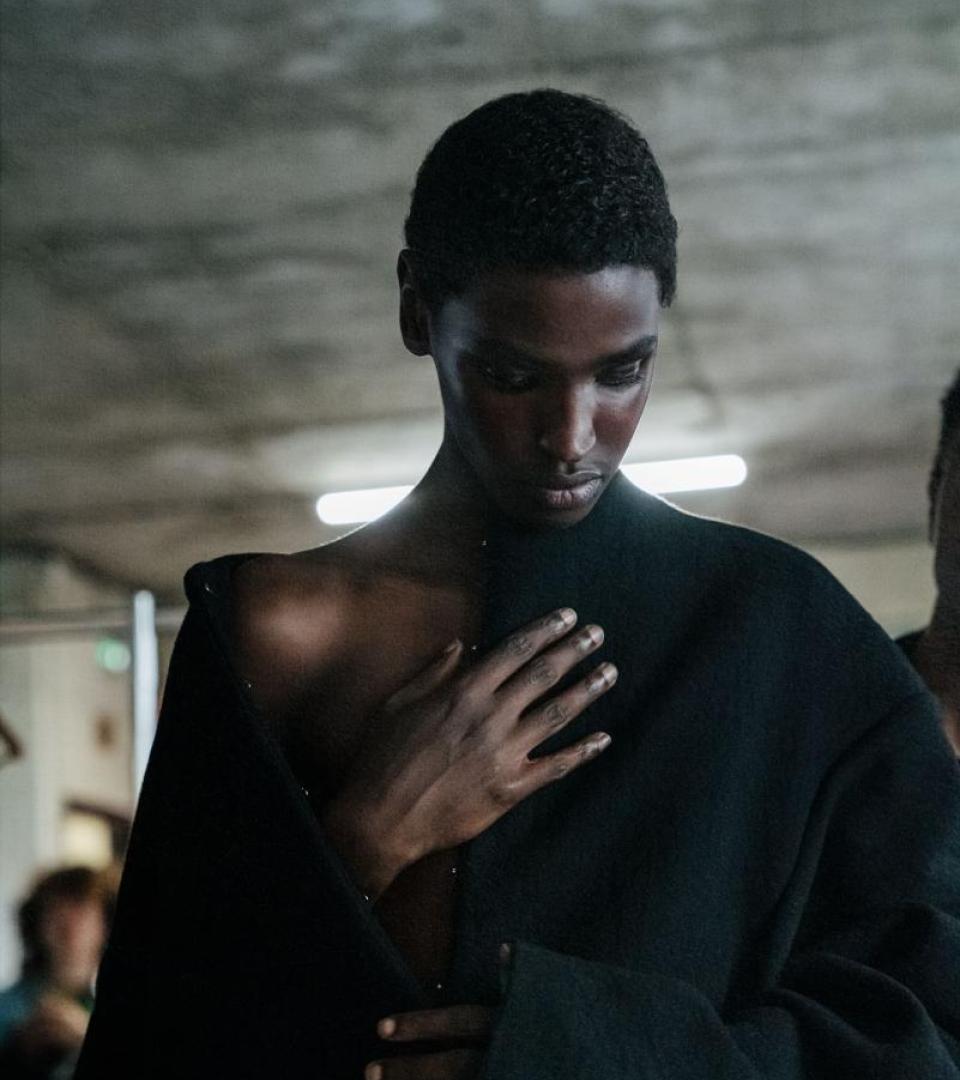
The age gap is such a central element for me - and I am perfectly aware of the fact that I probably say this just because I am ageing. The fashion proposal on the catwalks revolves around impossibly thin, rake-slender, adolescent bodies. It would be stimulating to break this mould.
Do trends still matter?
They don’t, thank goodness.
Menswear is constantly evolving; do you foresee a moment when the perfect balance between formal and streetwear will be achieved?
It’s an endless quest for a balance that will never be achieved, and that is what keeps the action engaging and going.
What are the key cultural or societal influences shaping menswear today?
I’d say the global quest for eternal youth, the dismantling of traditional masculinity, and style as discourse. This is the age of collage and men’s fashion, with its mismash of iconographies, embodies it.
How do you believe fashion creativity can effectively drive business growth?
I think fashion creativity can drive business growth by doing what creativity does best: finding solutions or pre-empting needs. Creativity per se, for the sake of creativity, is pointless.
This interview has been lightly edited.