In what ways to do you see people dressing differently during haute couture?
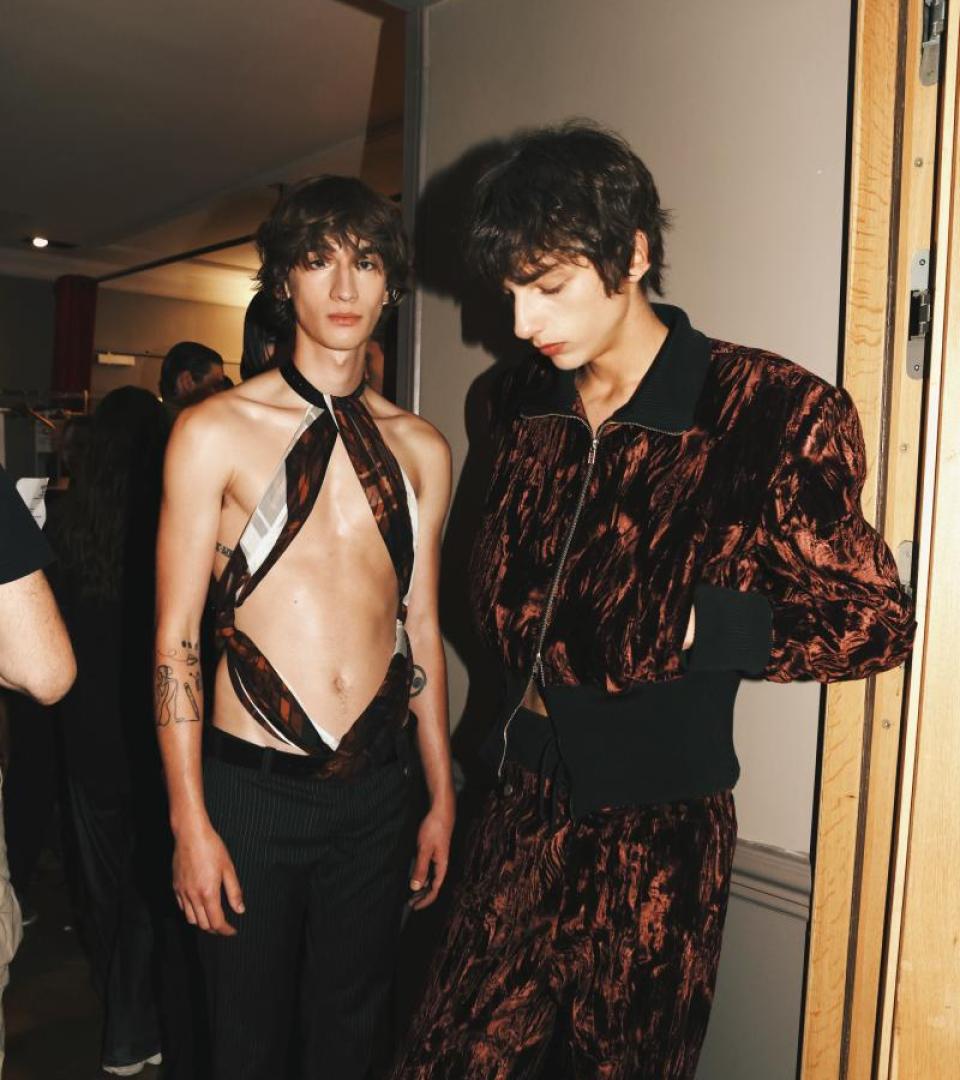
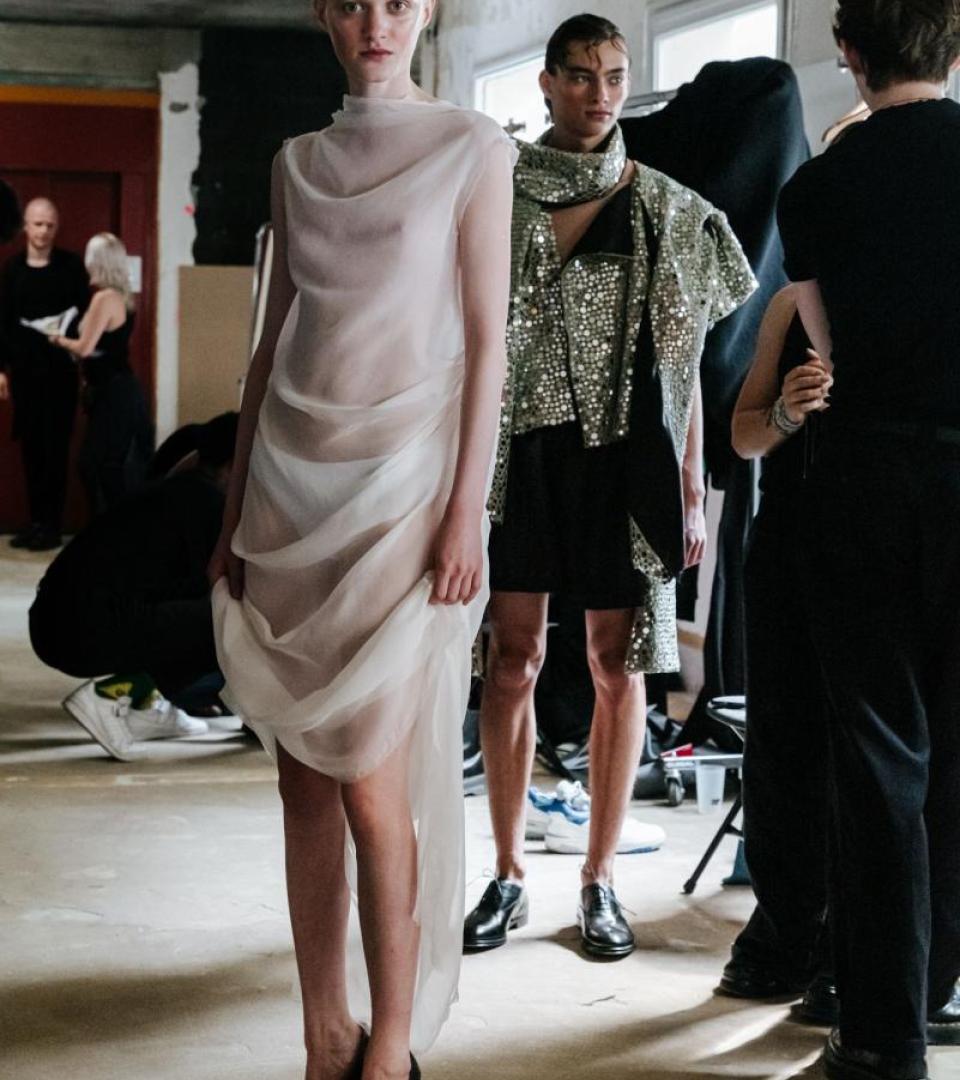
I used to wonder "to what events are people wearing haute couture pieces for," but I think one answer is “to attend haute couture runway shows, of course.” Sort of like wearing a band’s T-shirt to see them in concert, but I suppose it would have to be a T-shirt depicting their most recent album and not a vintage one – and also have sequins or feathers or some trompe l’oeil effect. Maybe.
What is the most significant change you are seeing in fashion right now?
It would be too easy to say the exorbitant prices, but then again, it’s also inescapable. Which, I guess, ties in to how fashion conglomerate quarterly earnings calls have become such a big part of industry discourse. Nice to see profits for somebody, but umm…
Where do you look for new ideas or voices in fashion?
Oh, I don’t really. I prefer to live stuck in the good ol’ days in my head.
What are you most curious to know about how designers work, how a collection comes together?
We all see what legend the brands want us to see: mood boards full of 16th century Bulgarian poetry and Qing Dynasty ceramics, ateliers buzzing with activity and etc. But I’m really curious to know how much input the commercial/merchandising/executive teams have in the design process. Is it like film & tv studio execs giving notes and dumbing things down for audiences with short attention spans? The push and pull of commercial considerations vs the designer’s “vision,” MORE LOGOS, LESS WEIRD, ‘this would be great for the Asia market,’ – things like that, etc.
AI will continue to disrupt and impact how we live and work. What excites you and what concerns you?
I asked ChatGPT if it’ll vouch for me when the singularity AI apocalypse comes, but it gave a very non-committal answer.
Do you have an industry story or experience that you have never talked about?
Haven’t we all suffered numerous humiliations and embarrassments in this industry that we aren’t allowed to talk about? Or wait, did you mean like a fun story? Hmm, once at a casual dinner in a non-fashion setting, I sat next to a friend-of-friend who seemed either a bit shy or mostly disinterested in chatting to me. He said he was a fashion designer, and I was like “Oh, I work in fashion! What’s the name of your brand? Is it sold online anywhere or in NY? I’ll check it out!” He looks me straight in the eye and said, “Dior Homme.” Oops. When he was introduced as Eddie, turns out it was Hedi…
Who are your fashion heroes?
Me? I say this because instead of fishing for compliments, it’s just way easier to give them to myself.
Tell us something surprising about how you got to where you are today?
Not sure if this is surprising or totally obvious, but I had absolutely zero photography or fashion background before starting this job. One-hundred percent fell into it.
What is one fashion show you wish you had attended, no matter the era?
I never got to go to any of the Karl Lagerfeld-era Chanel shows. I would have loved to have shoplifted as many of the Chanel supermarket goodies as I could get away with.
If you could make any fashion wish come true, what would it be?
If only every day could be an 80-percent off sale day.
This interview has been lightly edited.