Olivier Amsellem grew up facing the Cité Radieuse in Marseille, where photography imposed itself early on as a refuge. "The craft of image-making came to me urgently, as a rescue. Photography is a very strong relationship with memory, with remembrance." He was fourteen when he began, with the obsession of "elevating banality." "I was an assistant in Marseille and I came to Paris quickly. To give myself the means to pursue this profession, I had to leave my city and my comfort." He settled in Paris and his talent allowed him to assist the most prestigious names, including Jean-Baptiste Mondino and Paolo Roversi. "What was decisive for me were the encounters with people who push me to do things I might not have done on my own." Humility guides his posture. "I arrived in Paris as an intern, as an assistant, and with this simplicity and my culture and upbringing of telling myself that if I had to be an assistant, I shouldn't be anything other than an assistant. I grew up all at once when I arrived in Paris. I remember finding myself at a lunch with Mondino and Philippe Starck. I didn't speak, I listened. I was an open book with blank pages and I learned." But even far from Marseille, his family remained a compass. "My parents also helped me a great deal, encouraged me greatly to do something other than what I was supposed to do and what I'm doing now, which is commerce."
"I claim myself as part of the great Villa Noailles family."
In 1998, Olivier Amsellem won the photography prize at the Hyères Festival at Villa Noailles, an art centre conceived as a breeding ground for talent, a collective and visionary project founded by Jean-Pierre Blanc in the spirit of patrons Marie-Laure and Charles de Noailles. In the years that followed, he unknowingly honed his skills for Jogging. "There's a crossroads in my life between art and business. The first pillar of my life, linked to photography, to art and to the curiosity for these things that can seem absolutely simple and that can make me happy. And then the pillar of business, of commerce, in which my father was. I've never spoken of retirement nor had a single day of unemployment in my life. I don't know what it is." In 2013, Marseille became European Capital of Culture, a moment of transformation for the city, of cultural effervescence and new projects. He met Charlotte Brunet, who had worked on the Marseille-Provence 2013 project. Together, they co-founded Jogging the following year. Olivier found by chance a former butcher's shop on rue Paradis, "100 metres from my primary school, from my childhood memories. From the start, I wanted people to enter forgetting traditional codes." A space where fashion, art, gastronomy and hospitality intermingle.
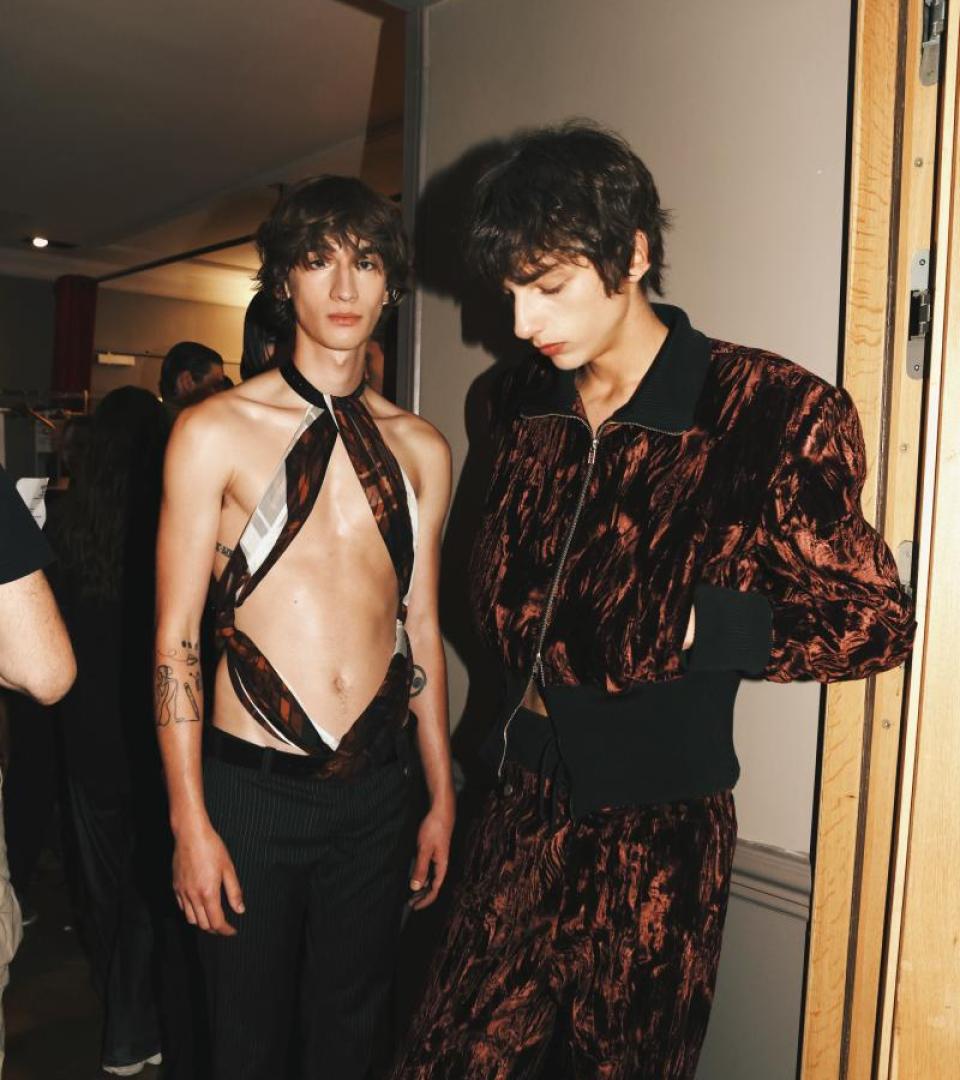
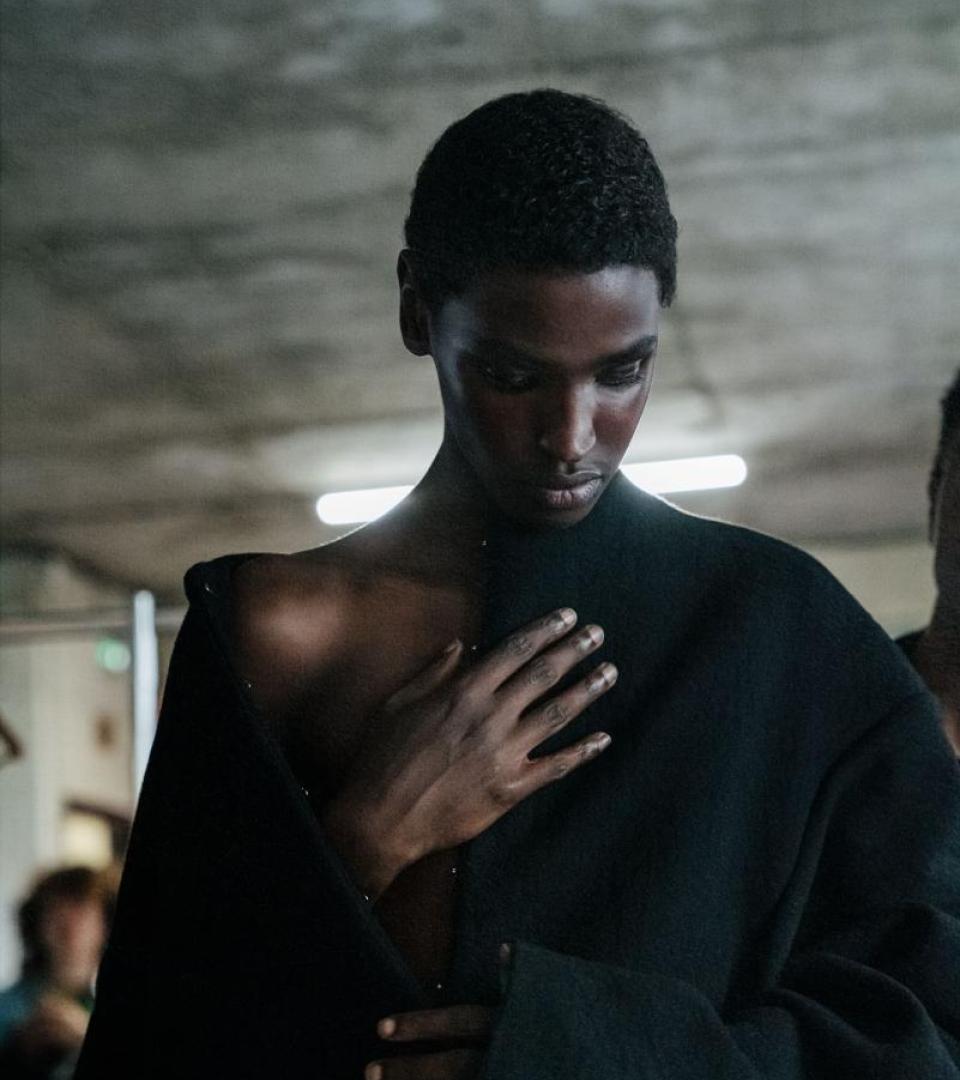
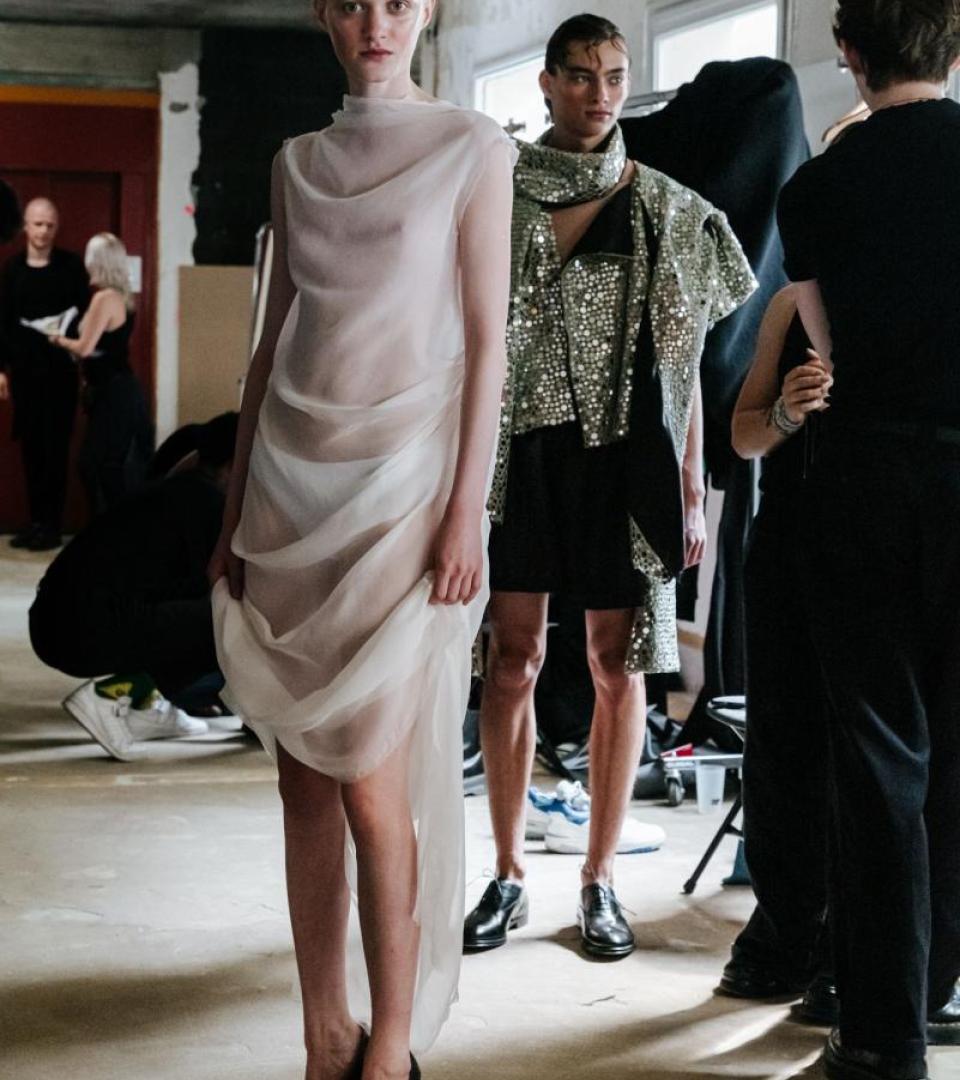
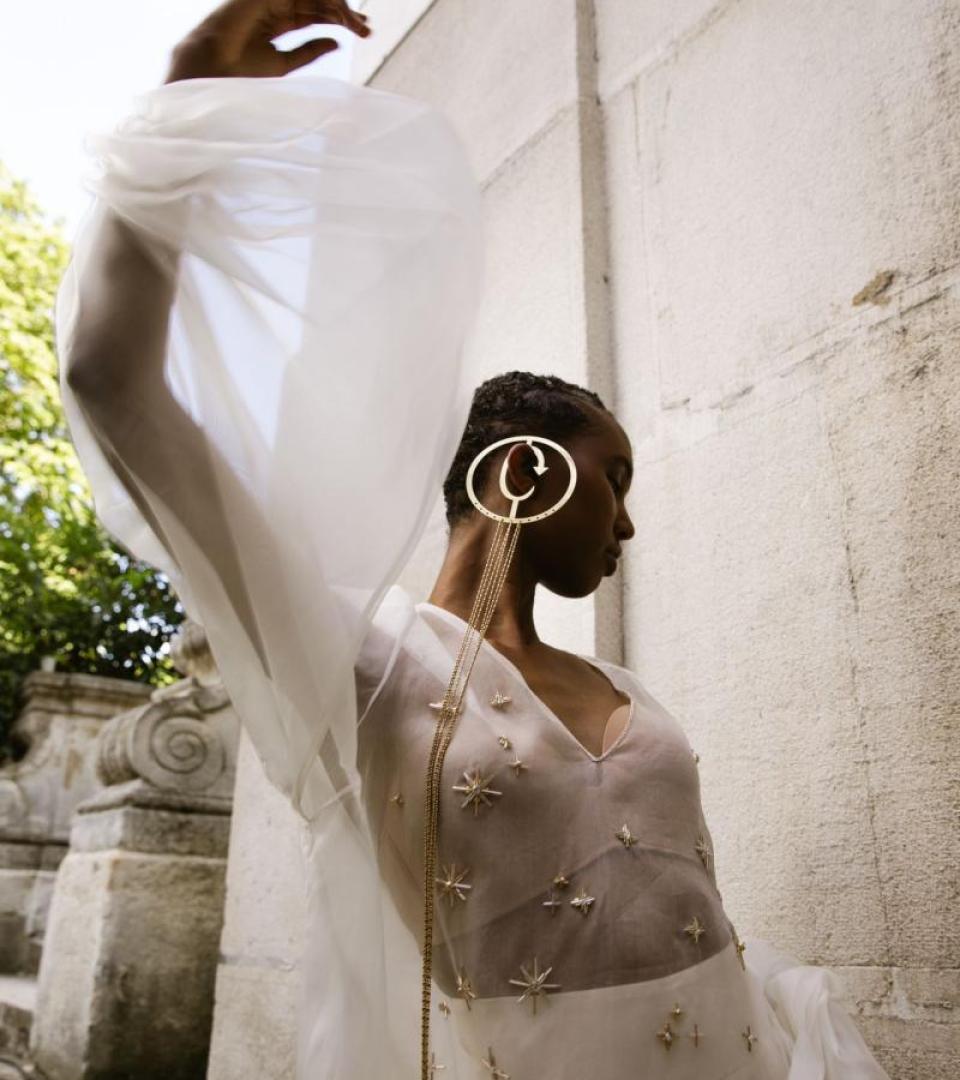
Jogging is the fruit of all these years, of this apprenticeship of the gaze and inherited values. "I told myself I was going to rethink this butcher's shop, turn it into a concept. It was photogenic, photographic, aesthetic." Marion Duclos Mailaender, an interior architect and designer he met in Paris, gave him the idea for the name. To build the space, he surrounded himself with talents encountered at Villa Noailles. "I worked with David Dubois who preserved the beauty and authenticity of the place. I don't know if I trust my vision, I think I trust above all the people around me, like Jean-Baptiste Fastrez, Antoine Boudin, François Azambourg. We're still in contact. They're designers, artists." This way of selecting also runs through the brands he chooses to present at Jogging. "For example, when I go to see Julien Dossena's collections, with whom I was at Villa Noailles and with whom we gave courses during holiday workshops for children in 2008, I'm not just buying Rabanne pieces. I see silhouettes conceived by someone I grew up with." He doesn't select clothes and objects, but emotions, memories. His approach goes beyond traditional curation: he composes silhouettes, thinks like a stylist, interweaves fashion, art, gastronomy and hospitality in a complete space. "I've taken my life as it came, with the love I was given, the heritage of my family and the Mediterranean."
Reuben Attia