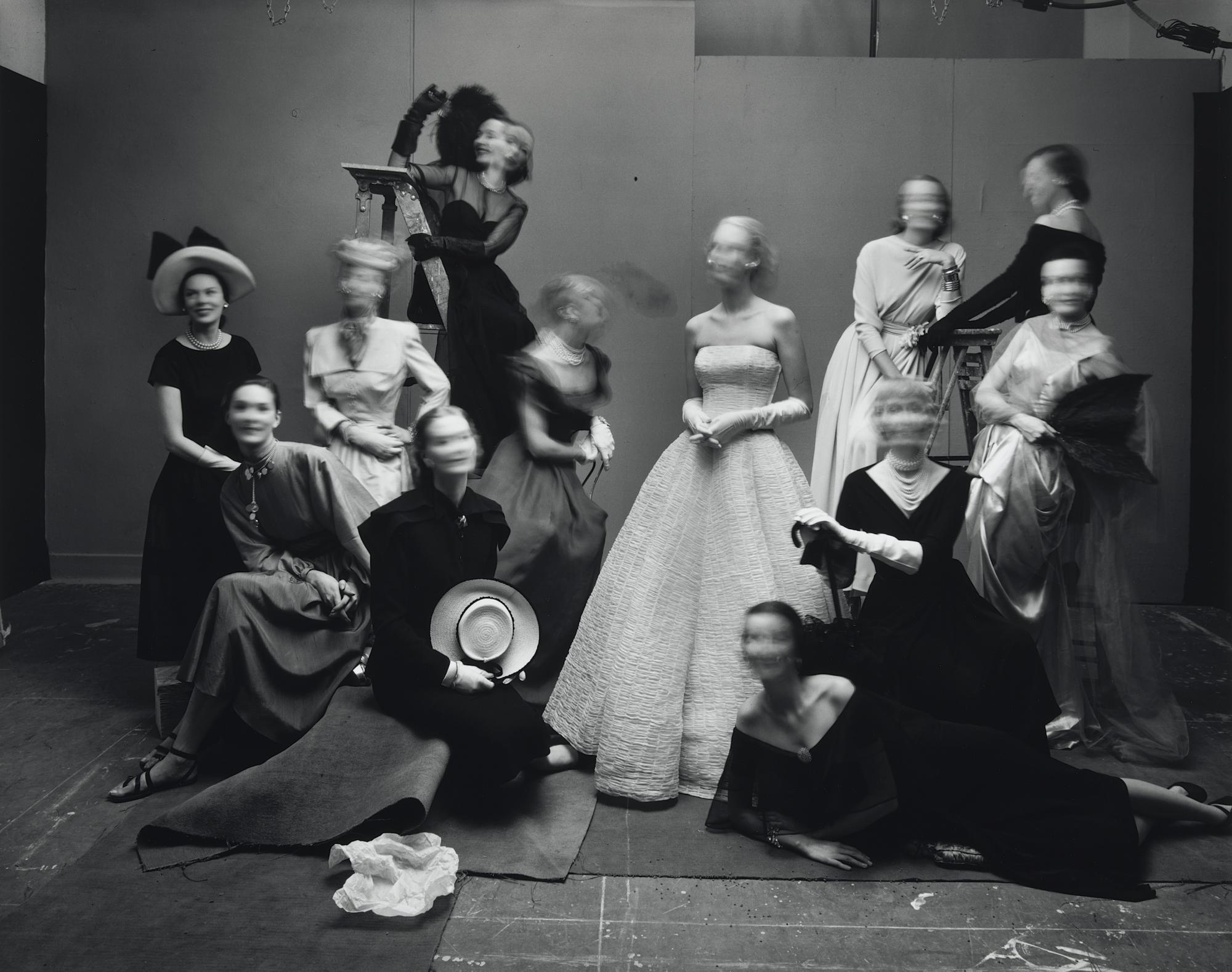
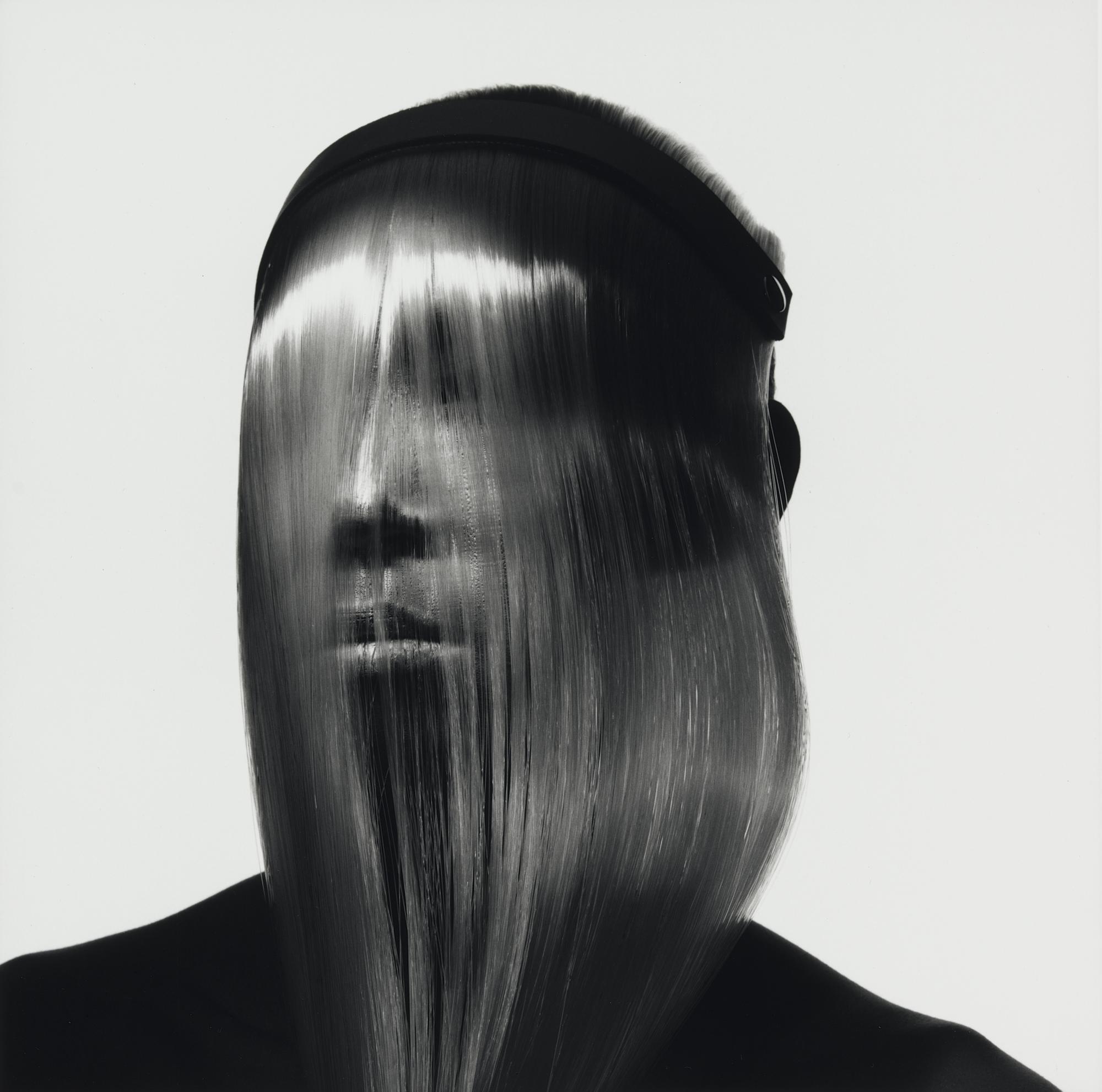
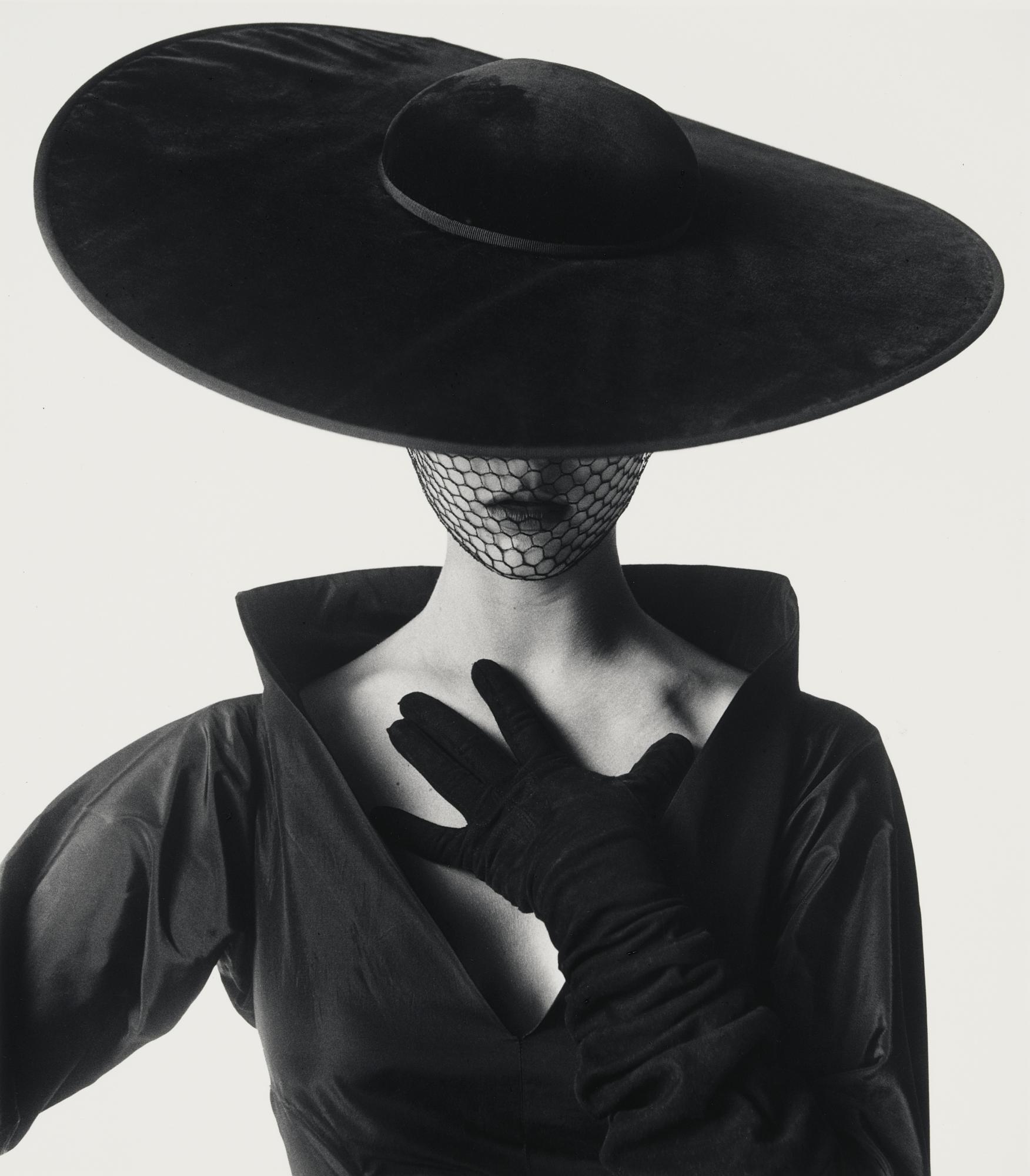
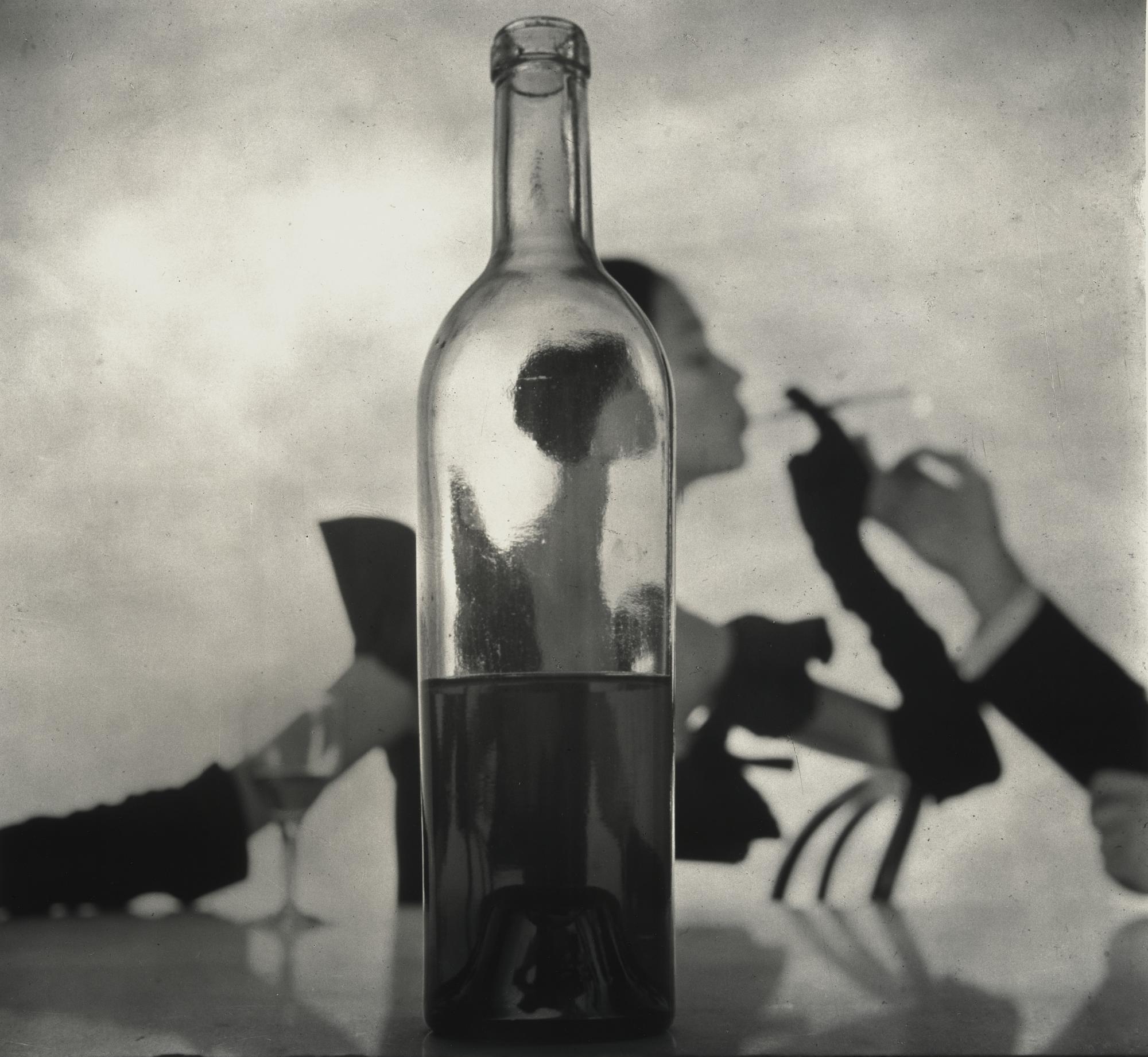
“The studio was a sanctuary of concentration and silence,” says Tom Penn, son of Lisa Fonssagrives (model and fashion icon) and Irving Penn (1917–2009), a major figure at Vogue magazine. As the MEP (Maison Européenne de la Photographie) unveils an extraordinary retrospective of this cult photographer during Fashion Week, the Foundation’s President speaks with emotion and restraint about a towering figure of the 20th century. It is the story of a man who began his journey in 1938 by purchasing his first Rolleiflex, aiming to transform everything he saw into a work of art. His entire body of work speaks of minimalism and grandeur, reflecting a vision coupled with absolute technical precision where the print itself is an integral part of the artwork.
What would be the first words that come to mind in describing your father, Irving Penn?
My father was a tender man of tremendous humility.
What was his view of fashion and of designers such as Yves Saint Laurent and Issey Miyake?
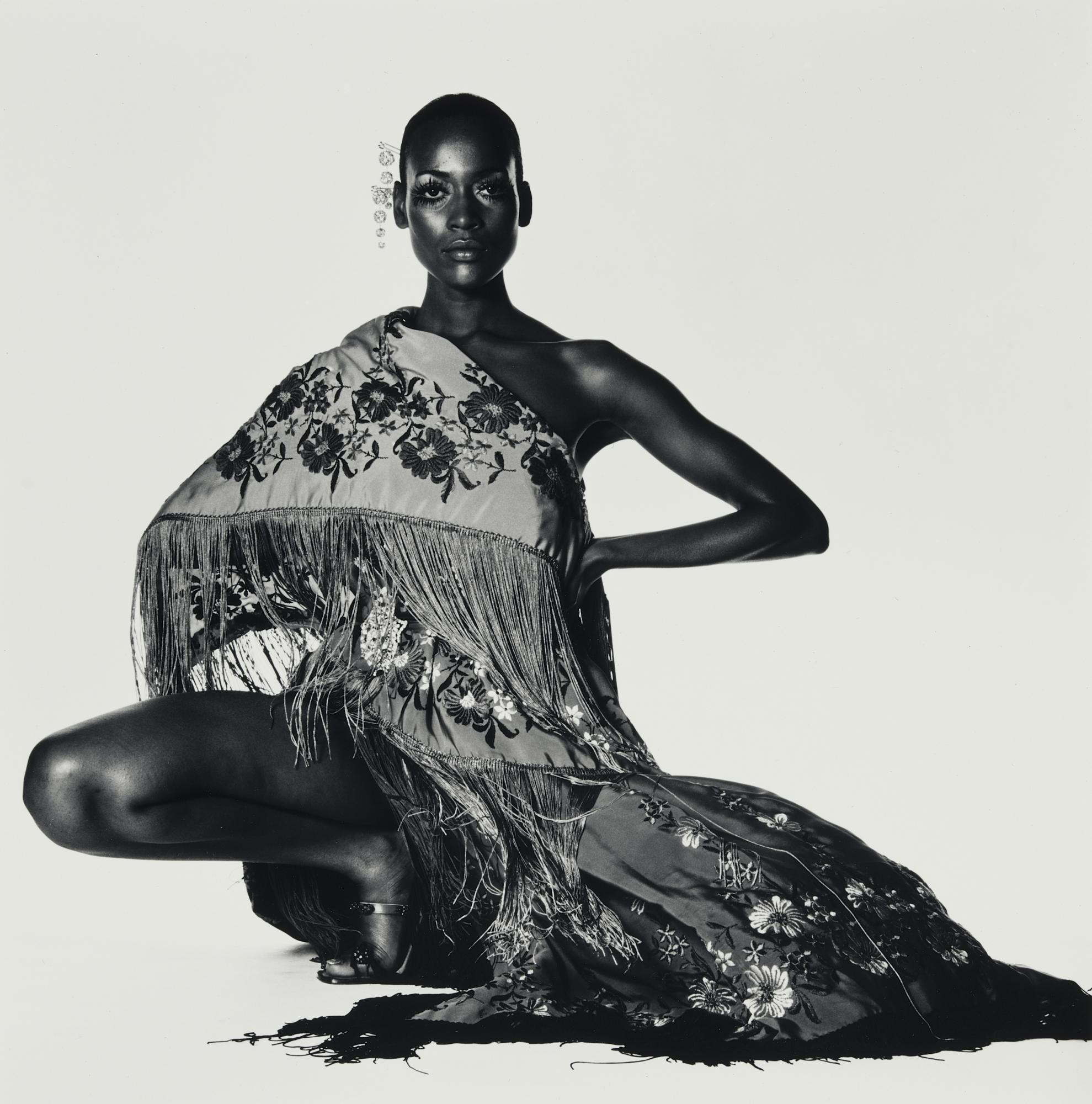
I believe his consideration of fashion was a reflection of evolving creative culture. I do not recall any specific conversation regarding the work of Yves Saint Laurent. However, Miyake was another story, as Issey was a very close friend and their relationship was distinguished by an extraordinary collaboration in which my father would photograph Miyake’s seasonal collections as part of an ongoing creative dialogue. They each shared a tremendous excitement for when the work was exchanged. I recall very well that my father could hardly sleep the night before the new collection arrived at the studio. That event was like Christmas morning. Working with the Miyake creations gave him enormous pleasure, as he felt he could be completely inventive with the garments, twisting them, sometimes instructing they be worn backwards. It was complete freedom and he cherished every minute of it.
What was his defining character trait? What were his expectations and values when it came to raising his children?
He wanted us to grow with integrity and grace, to pursue whatever we wanted to do that gave us great pleasure, and to always do that work to the best of our abilities.
Was he different as a father from the photographer the world knew?
No, his standards were the same in both roles.
What did he tell you about his profession?
He spoke very little about his work when he came home. When he stepped out of the studio door, the studio did not come with him.
What did he mean by his idea of photographs as “beatitudes”?
I have no idea. A fascinating statement, however. Out of context, I could not begin to answer this.
He initially trained in painting and drawing at the Philadelphia Museum School of Industrial Art. Which artists had the greatest influence on him?
Here I would offer his wonderful drawing of the tree of influence…
Irving Penn favoured working in the studio, isolating his subjects against a neutral backdrop. What memories do you have of his New York studio?
The studio was a sanctuary of concentration and silence. There was no music, no smoking, and almost no talking. During the sittings, there was order and a sense of calm on the set. It was the subject in front of the camera, Penn behind the camera, and the rest of the staff, editors, hair, and makeup would remain on the periphery. The physical space was simple: white walls with a gray floor, and there was nothing fancy or visually distracting in the space. It was created for pure function.
Irving Penn once said: “Even in my studio, I don’t want anything grandiose. I don’t feel grandiose, because I am filled with doubts about my ability to make thephotograph, I am about to make.” What does this reflection mean to you?
This was his humility that I spoke of earlier.
Of the photographs included in the exhibition, which ones move you the most?
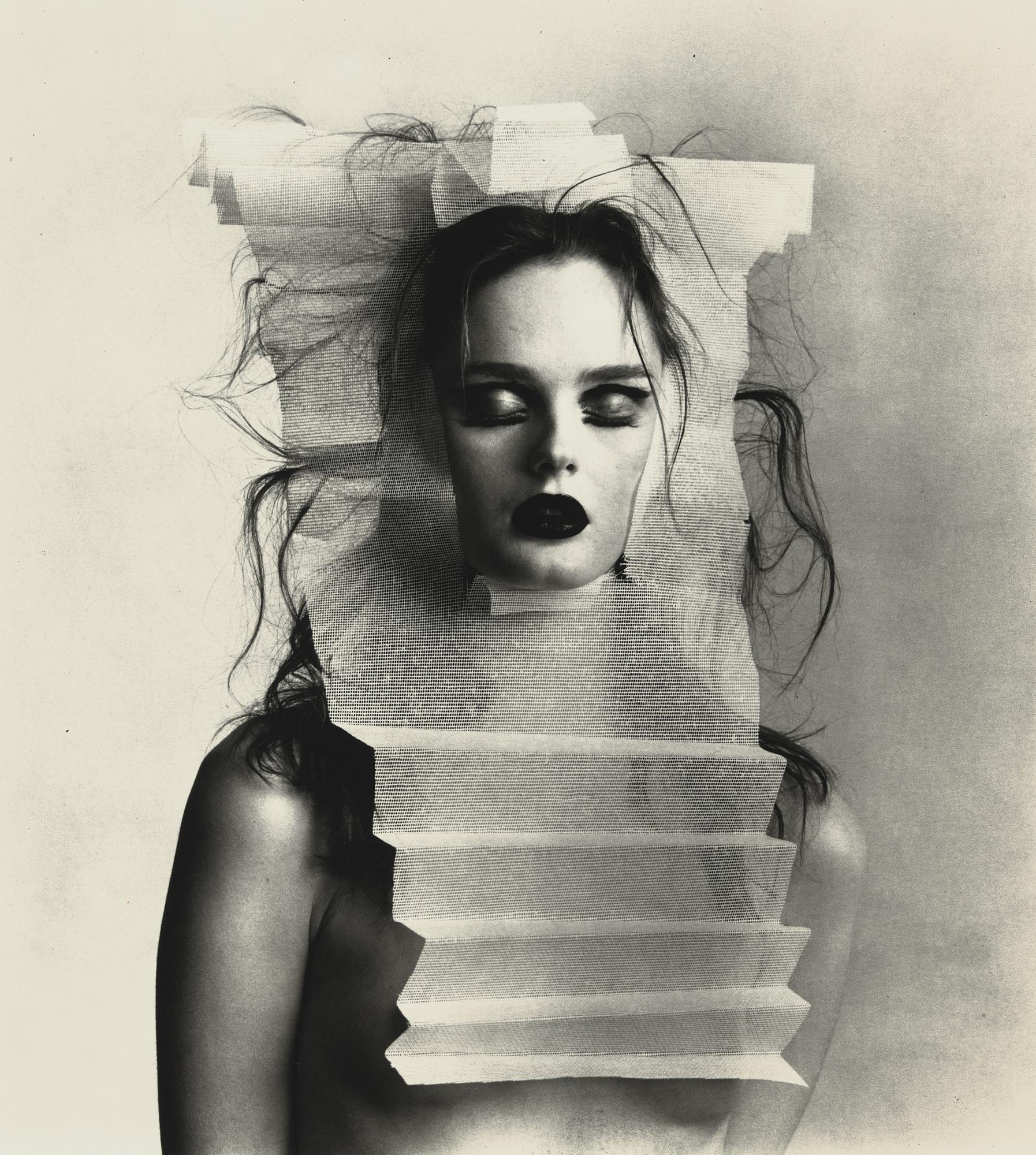
I better say the one of my mothers in the Rochas Mermaid Dress. Otherwise, I will be struck by lightning! A second one that I find so intriguing is Young Woman with Headdress. It is so wonderfully surreal.
In what ways was his eye different from that of Lisa Fonssagrives, your mother, one of the first supermodels of fashion photography?
Penn’s vision was completely calculated, yet he allowed the unexpected to occur, whereas my mother ‘s vision was preconceived, precise, and exact. This came from her childhood which was very regimented, and was developed from her experience as a pilot which required complete consciousness of every detail at every moment.
What are the Foundation’s upcoming projects?
We are organising an exhibition focused on Penn’s portraiture work with Galerie Thaddaeus Ropac in Paris that is opening in November. We’re also collaborating with some of our other gallery representatives on Penn shows in Tokyo, Seoul, and San Francisco for next year. For upcoming museum-based projects, we’re working
with The Metropolitan Museum of Art and the Art Institute of Chicago on exciting exhibition and publication plans in the coming year, as well.
Why did he love Paris so much?
Penn ‘s love of Paris was everything that Paris offers in way of culture, its history, culinary arts and the endless creative spirit of the people that live here and died here.
Irving Penn & Fashion at the MEP, September 30th, 2026 through January 17th, 2027.
This interview has been lightly edited.
L.B