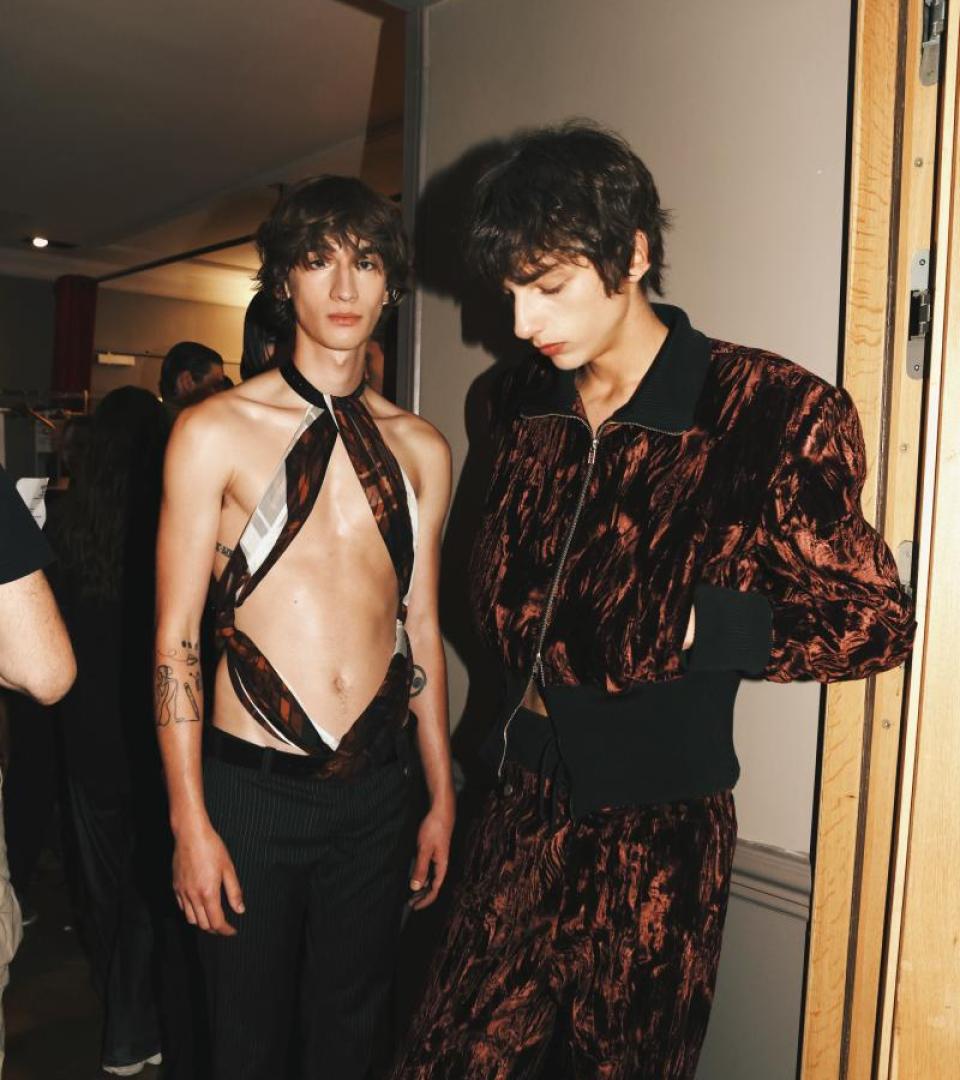
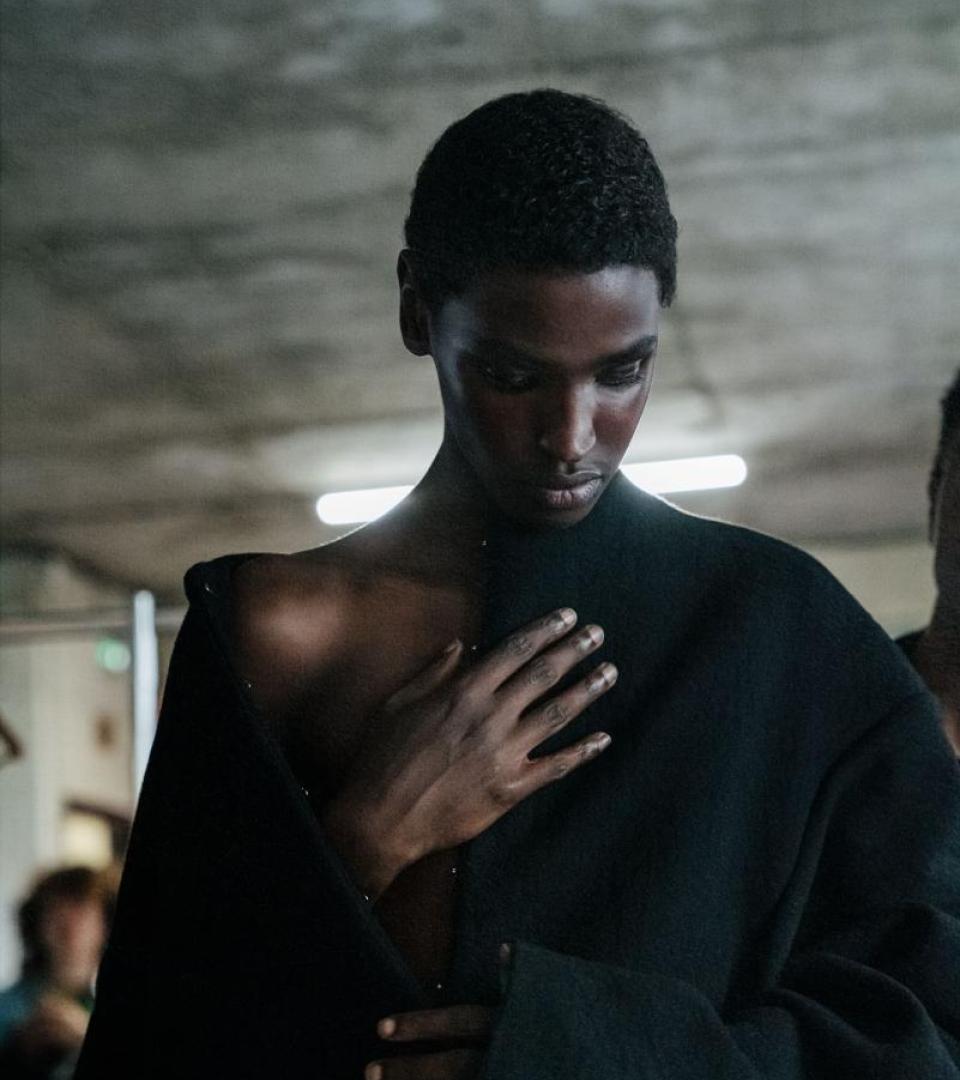
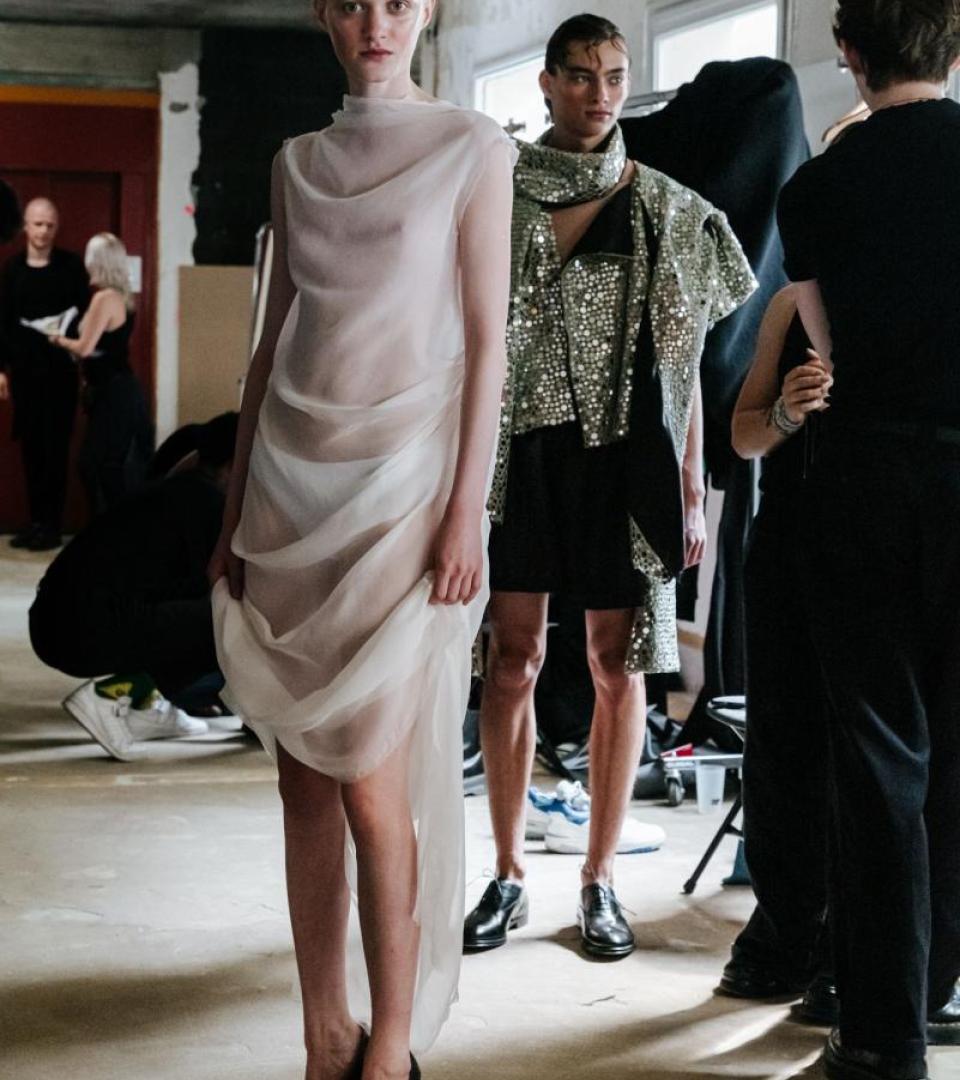
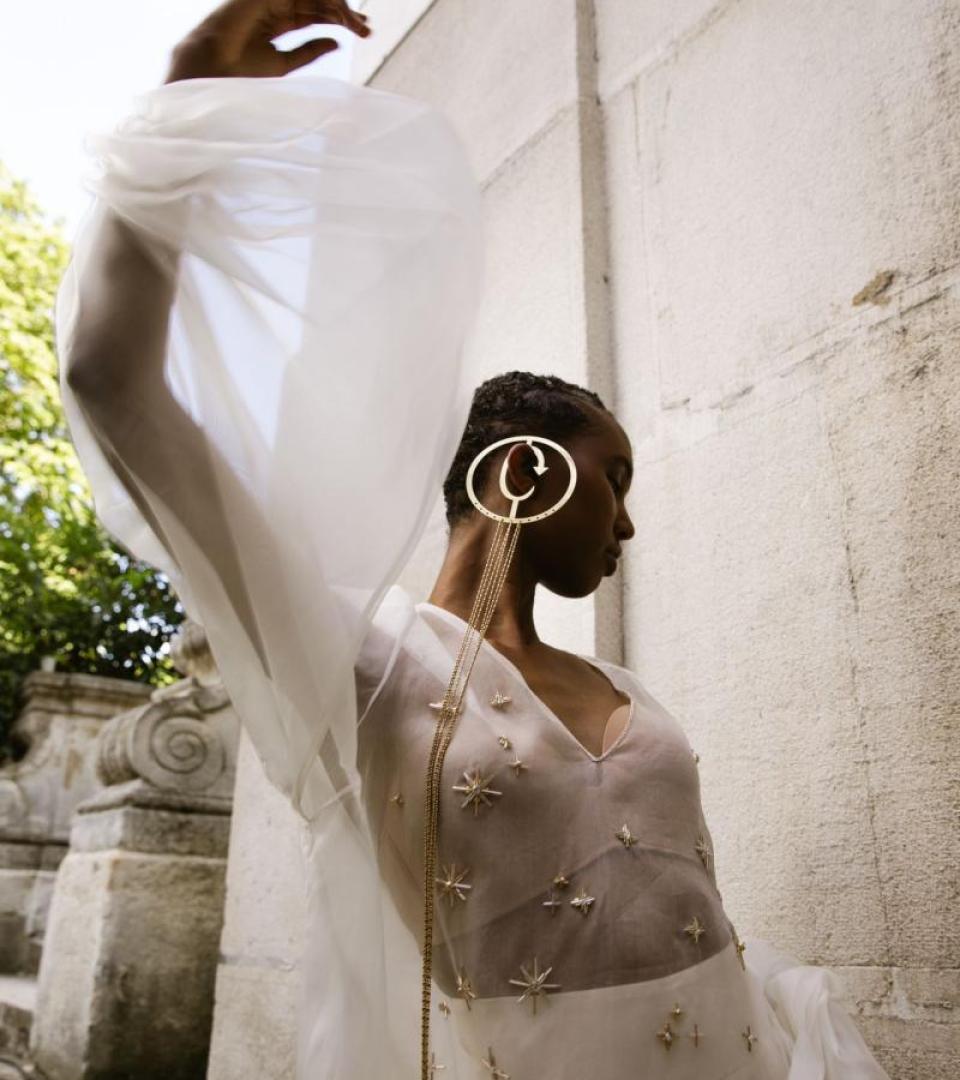
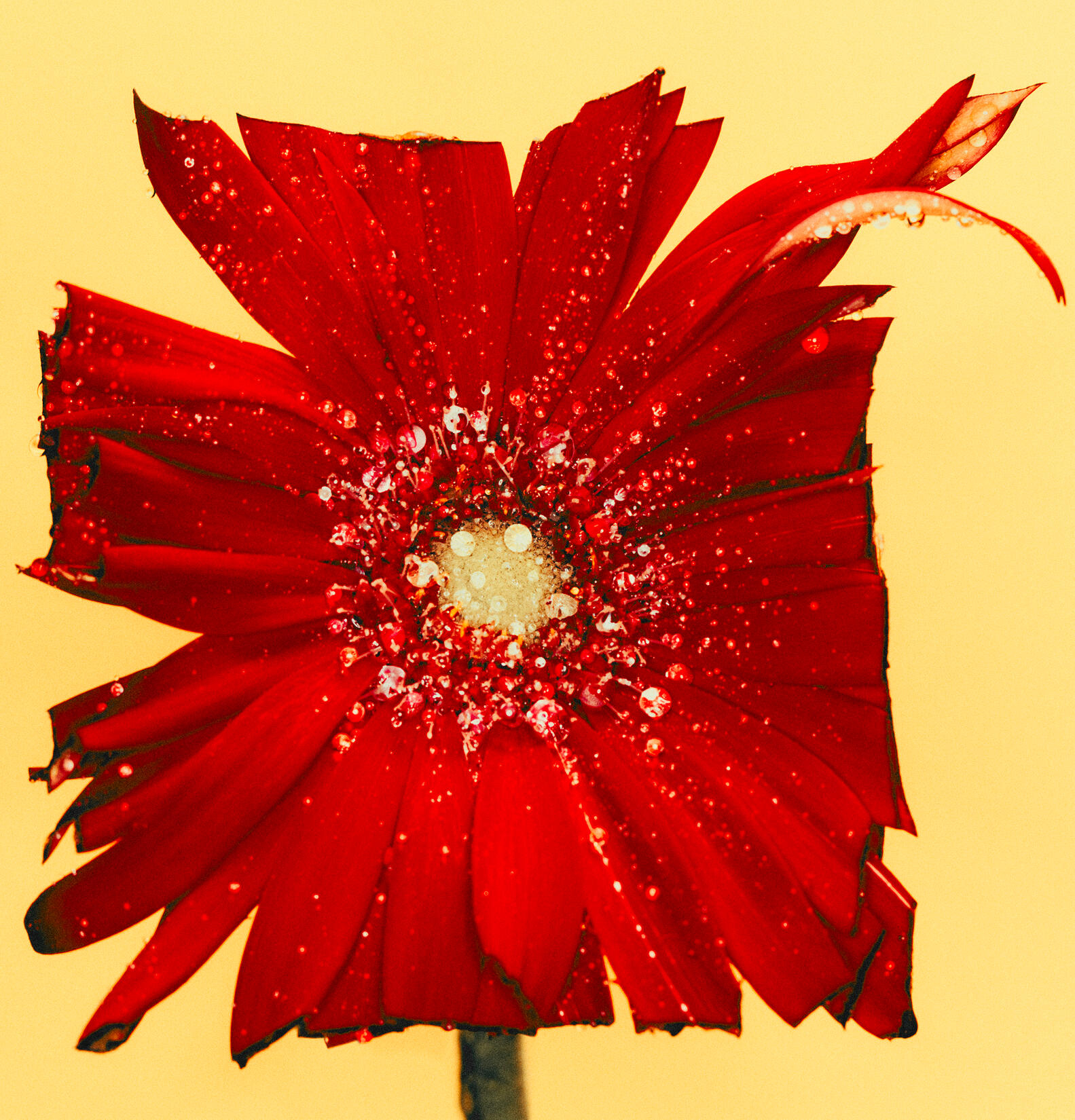
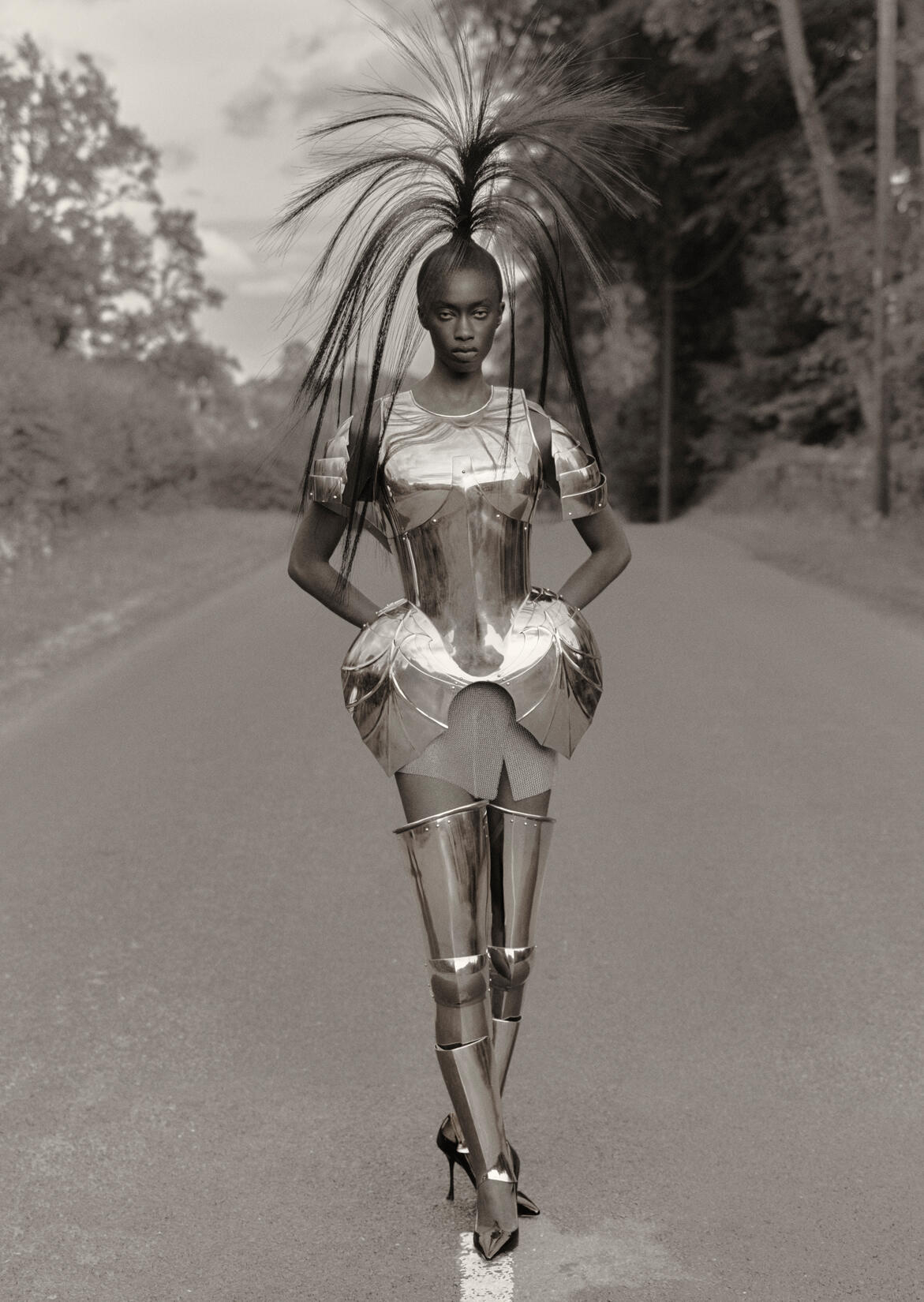
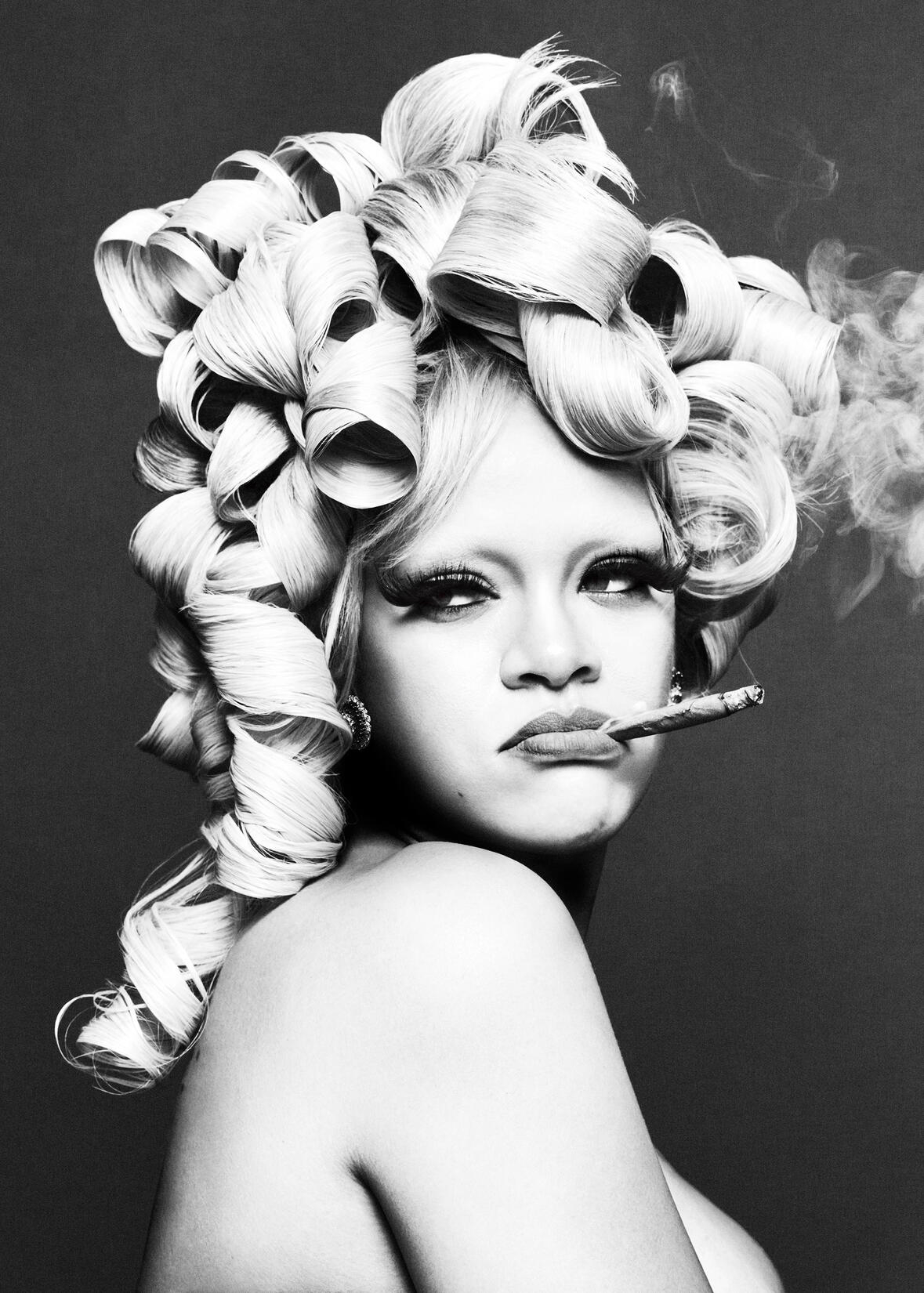
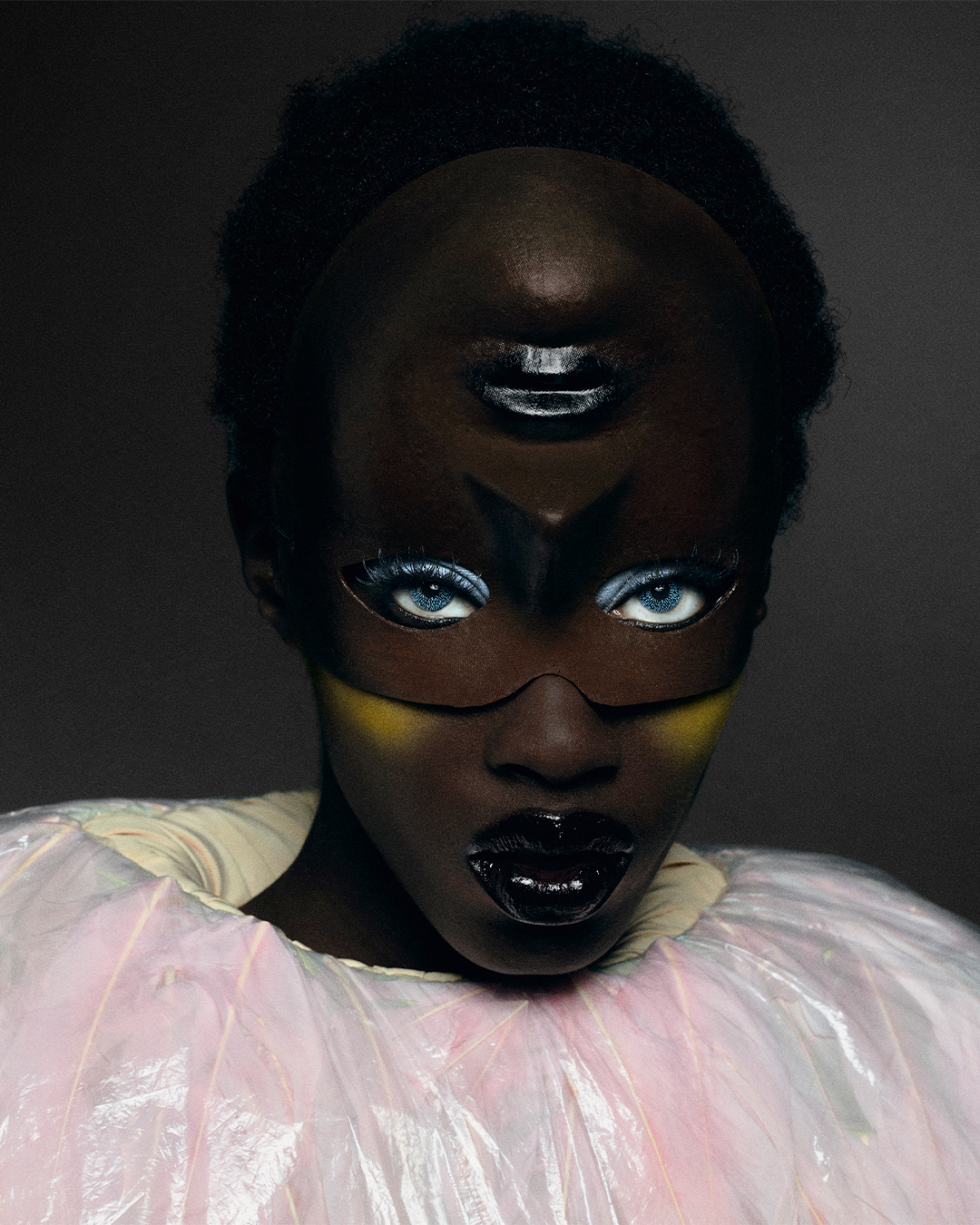
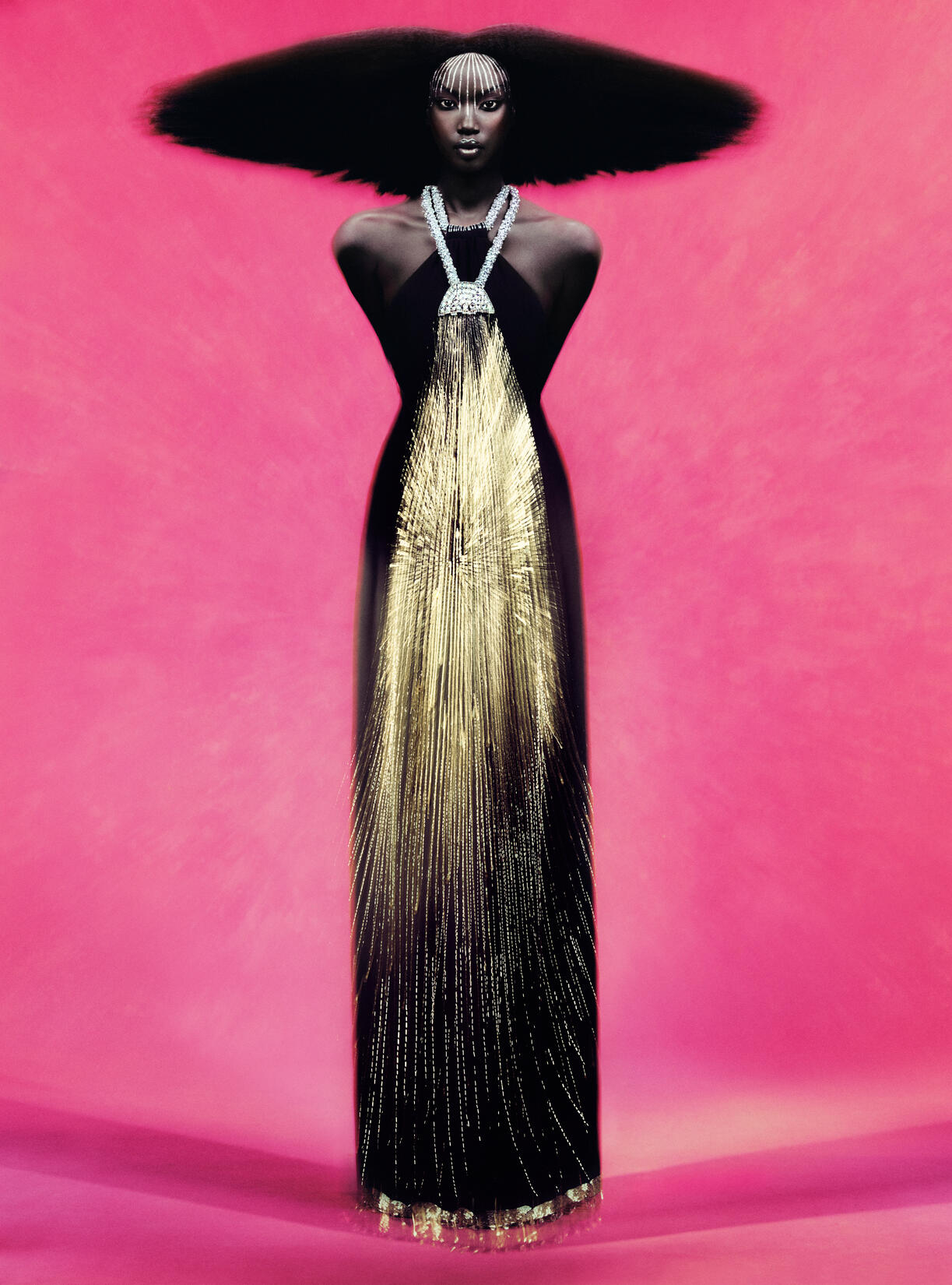
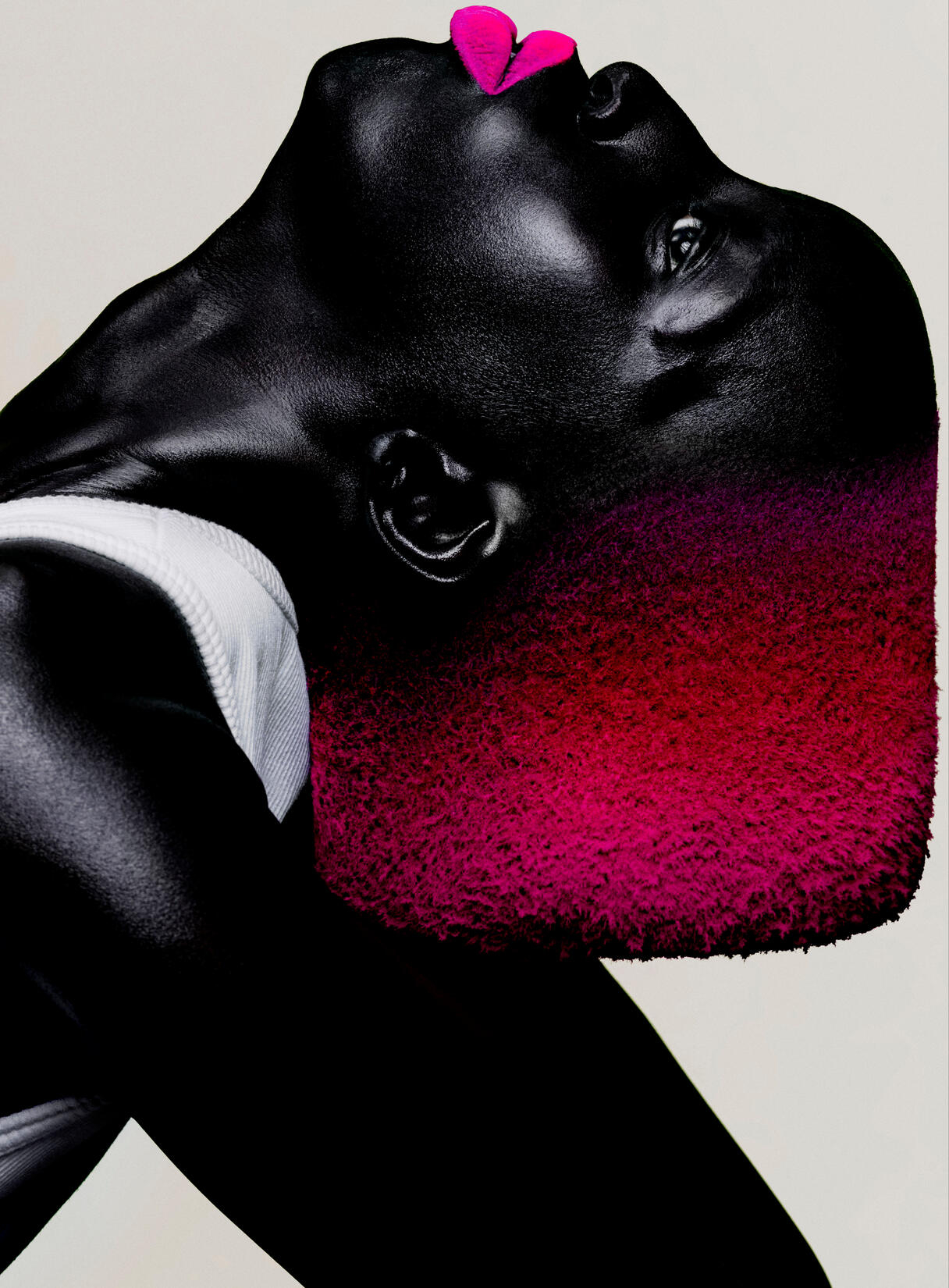
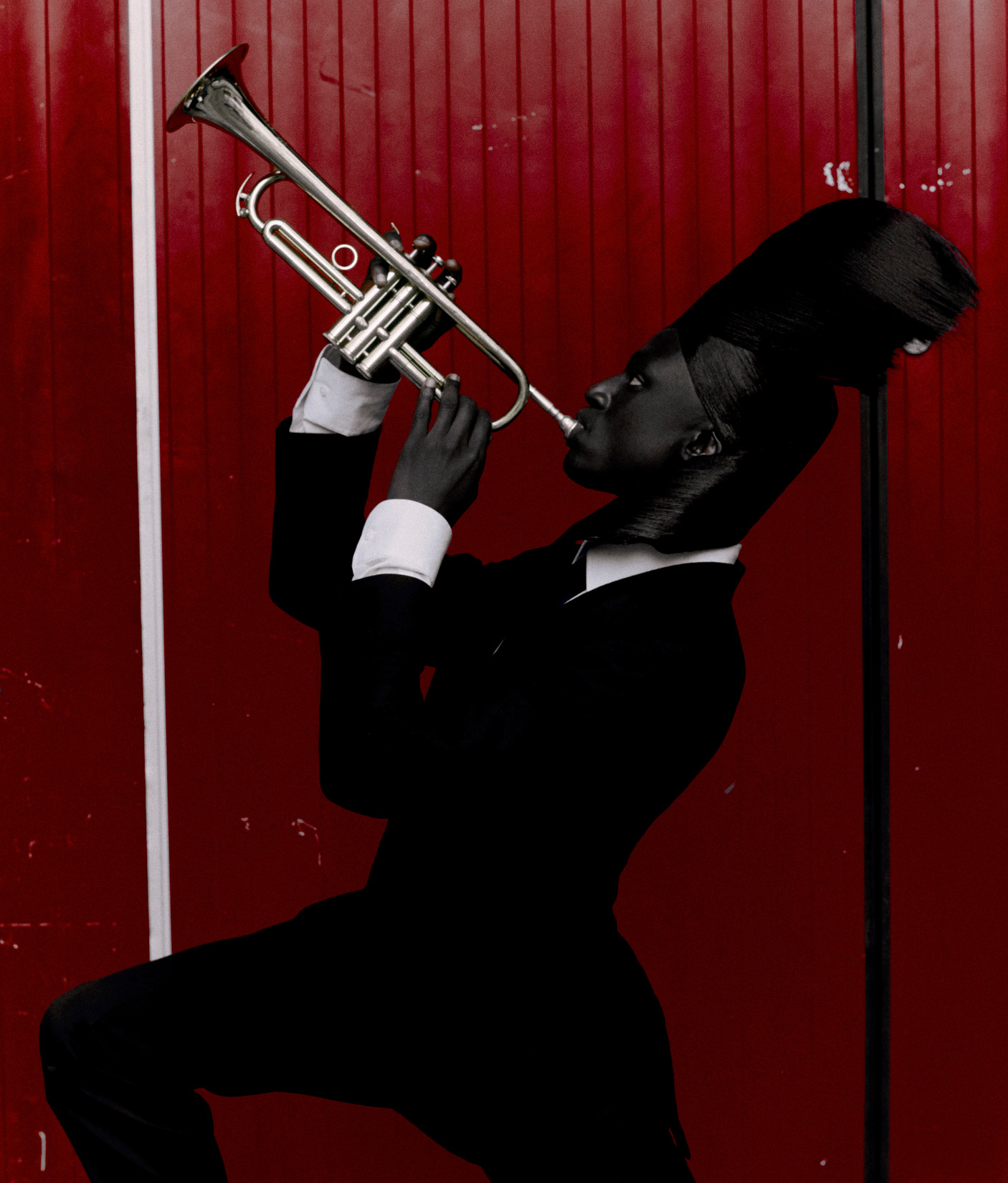
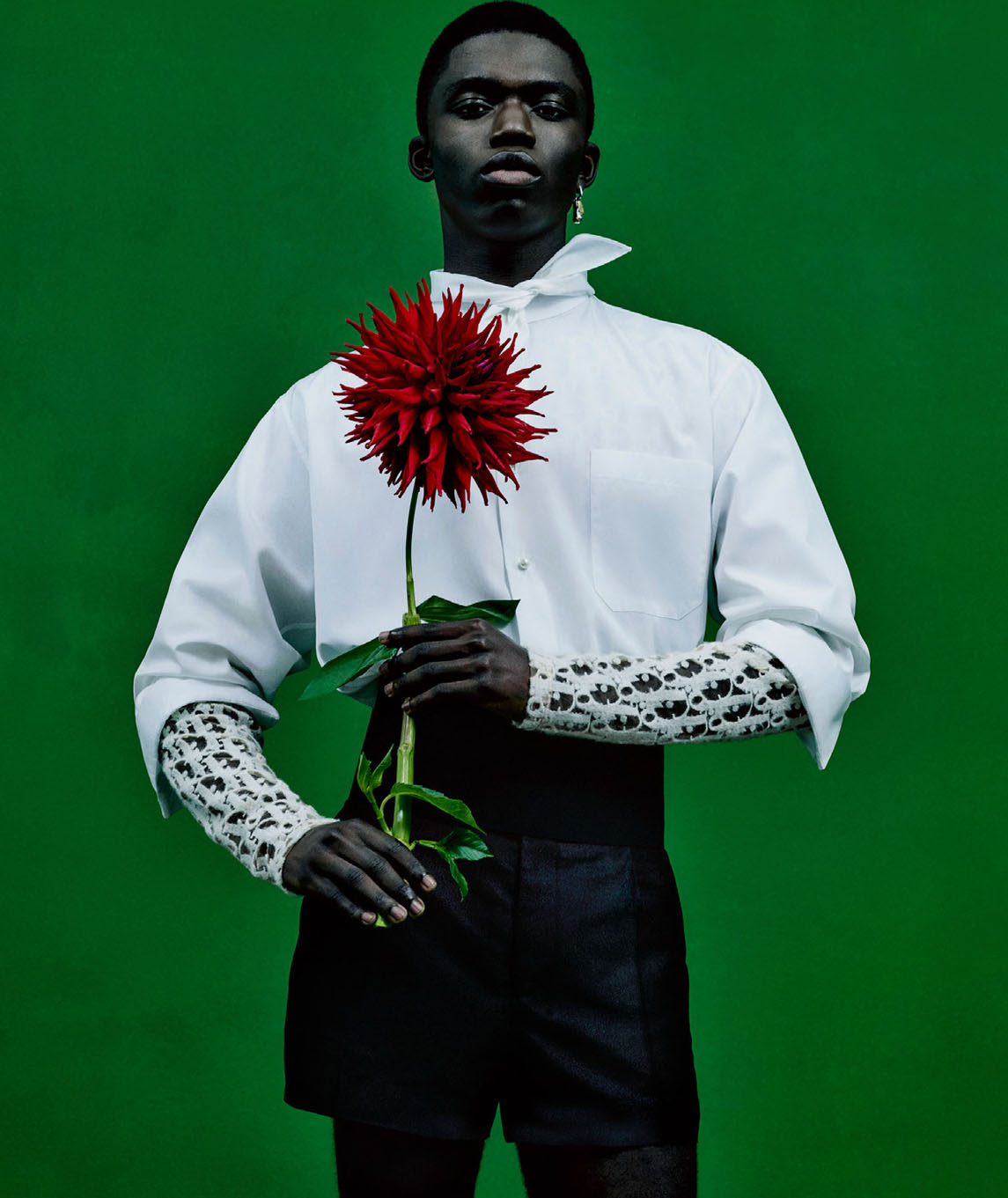
In just a few years, Rafael Pavarotti has established himself as one of the most exciting emerging voices in fashion photography. Now, for the first time, a museum is devoting an exhibition to his work. Born in 1993 in the heart of the Brazilian Amazon — specifically in Icoaraci, a district of Belém do Pará — Pavarotti discovered photography at the age of 12, using his father's camera, which he secretly took to school. The surroundings of his neighbourhood were the first subjects he was attracted to. But he was dreaming big, so at 16, his journey began: starting with Rio, then São Paulo, London, and finally Paris in 2025. His vivid and sensual visual language is now unmistakable. It is strongly rooted in Afro-Brazilian culture, while he plays with saturated colour and theatrical staging to celebrate bodies long excluded from fashion imagery. "Rafael Pavarotti, Photographer", at the Musée des Arts Décoratifs (running from October 2nd, 2026 to May 2nd, 2027) will display more than 130 prints, from iconic magazine covers and portraits of Rihanna, Beyoncé and Harry Styles, to campaigns for houses such as Dior, Balmain and Ferragamo. Beyond commissions, there will be his personal projects and archival material. The scenography is by long-standing curator, Ibbv Njoya. We spoke with Sébastien Quéquet, the curator in charge of the photographic collections at the Musée des Arts Décoratifs and curator of the exhibition, to discuss the photographer's language, the place of fashion photography in a museum, and what we begin to see when we are finally asked to look slowly.
What made you feel that this was the right moment for a retrospective on Rafael Pavarotti?
We do not view this exhibition as a retrospective. It is not a review; it is a presentation of the work of a photographer who is still young, and has never been exhibited before in a museum. A museum is not merely a place of recognition; it is also a place where new talents can be discovered.
He is still a young photographer, yet his visual language is already recognisable. What, in your view, is his distinctive perspective?
What sets his visual language apart is the colour and its intensity, the atmosphere of his shoots, and the stories he tells – drawn from his own life, those of his collaborators and the models, but also from episodes in Brazilian history and African myths. It is, therefore, a very powerful visual style, often with rich content, to which he sometimes provides the keys and sometimes does not, leaving everyone free to interpret and to feel it as they wish.
The exhibition in structured around a dialogue with photographs from the museum’s collection. What connections emerged from this “rendez-vous," including ones you perhaps did not expect at first?
The exhibition is not structured as a dialogue with the museum’s collections. The dialogue is established only in one section, which aims to show how Rafael Pavarotti’s work fits into a particular history – the complex history of Black models in the fashion industry. We have selected around ten photographs as well as some iconic magazine covers on the subject, all covering the period from 1927–1988.
Colour is an important part in Pavarotti’s work, but never just as a decoration. What role does it play in the construction of his images and of his style?
Colours are a language inherited from his Afro-Brazilian culture and his childhood (his grandmother’s house, the handcrafted bags his father used to make, for example, and everyday objects). They give meaning to the images because they convey an emotion, a vibe; they reinforce expressions and give structure to the composition. Because they have such a powerful impact, they make the message stronger.
Fashion photography has always existed somewhere between commerce and culture. Do you think that the balance has shifted in recent years?
I don’t think so. It has always been like that, it’s the very essence of fashion photography.
Pavarotti asserts the political dimension of his work pushing the visibility of bodies long excluded from fashion imagery. How do you balance that social reading with the purely artistic, without one flattening the other?
I don't think one excludes the other. On the contrary, social reading and artistic reading go hand in hand, and art history has often demonstrated this.
Do you think fashion photography today is becoming too dependent on immediacy and recognisability at the expense of ambiguity, complexity, dream or even mystery?
First of all, one needs to distinguish between fashion editorials and commercial commissions. Some commissions lack originality, being subject to restrictive briefs, but there are also clients who are looking for greater creativity and who collaborate with more original figures. This has always been the case in fashion photography. In reality, it all depends on the purpose and the economics – the context, one might say. And then there is also a form of fashion photography that is disconnected from the industry and uses clothing to convey messages, sensations and so on.
Several of the pieces on show were commissioned as editorial or campaign work. What is lost, and what is gained, when an image migrates from a commercial brief into a curated, museum context?
There is no loss. On the contrary, there is a gain in meaning, as this involves the scientific guidance that the museum provides.
By exhibiting contemporary fashion photography in a museum, it is inevitably removed from the speed and commercial context in which it was originally produced. What do we begin to see in these images when we are finally asked to look at them slowly?
You are absolutely right: fashion images are often consumed quickly and immediately, particularly on social media. Bringing them into a museum emphasises their artistic dimension, as well as their content and their power. That is also why the meaning behind these images is important. It must be powerful and meaningful enough to be exhibited and shared, to provoke reflection. It must spark a debate and encourage thought. Rafael Pavarotti’s images demand that longer period of time you mention, because he seeks to prompt reflection, to bring about changes in mindset, and to create a memory, an archive.
What do you hope visitors take away from this exhibition, particularly those unfamiliar with fashion photography?
Firstly, that fashion photography can also be political and social, and that it can prompt reflection. Secondly, that Rafael Pavarotti’s humanist message is heard: that in fashion and in society, there should be more kindness/benevolence, inclusion and equality, regardless of skin colour.
"Rafael Pavarotti, Photographer", at the Musée des Arts Décoratifs from 2 October 2026 to 2 May 2027
This interview has been lightly edited.