News

Rebirth and Renewal at Zuhair Murad

Interviews

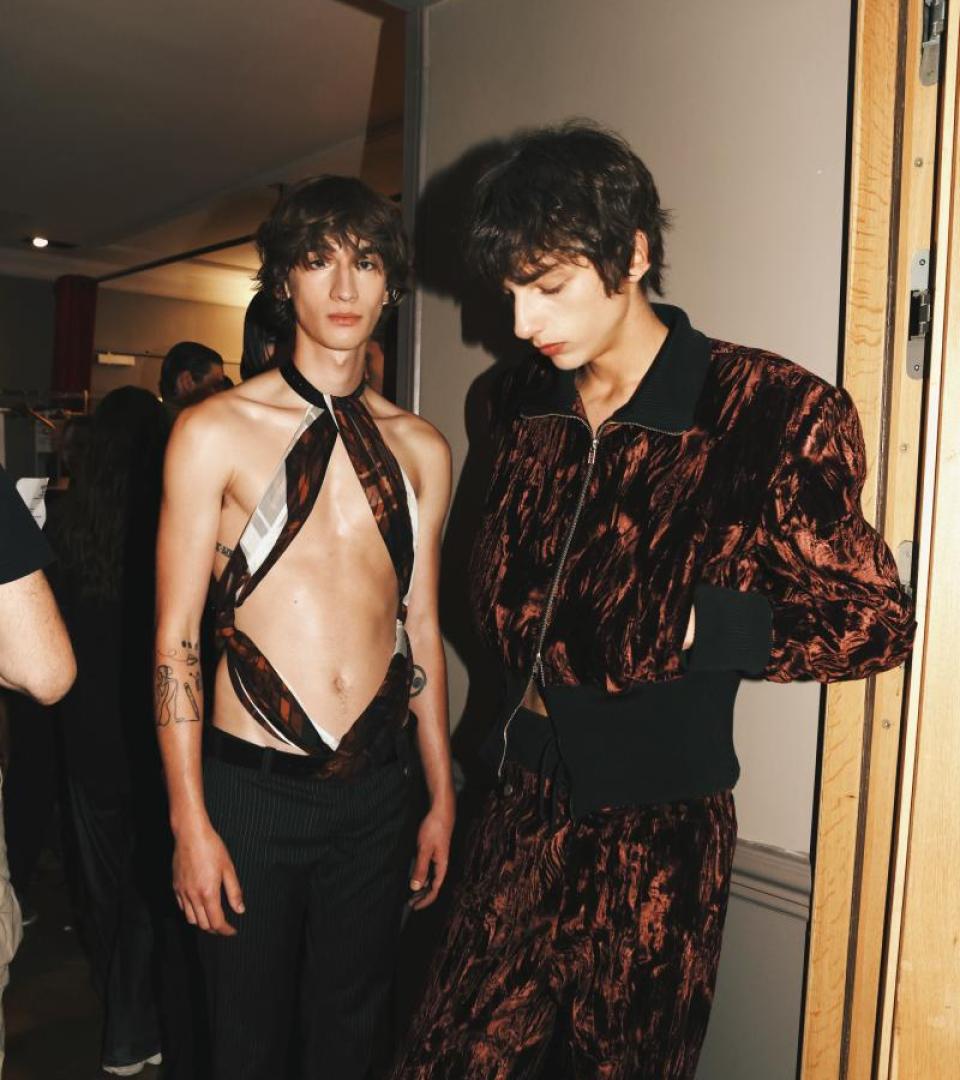
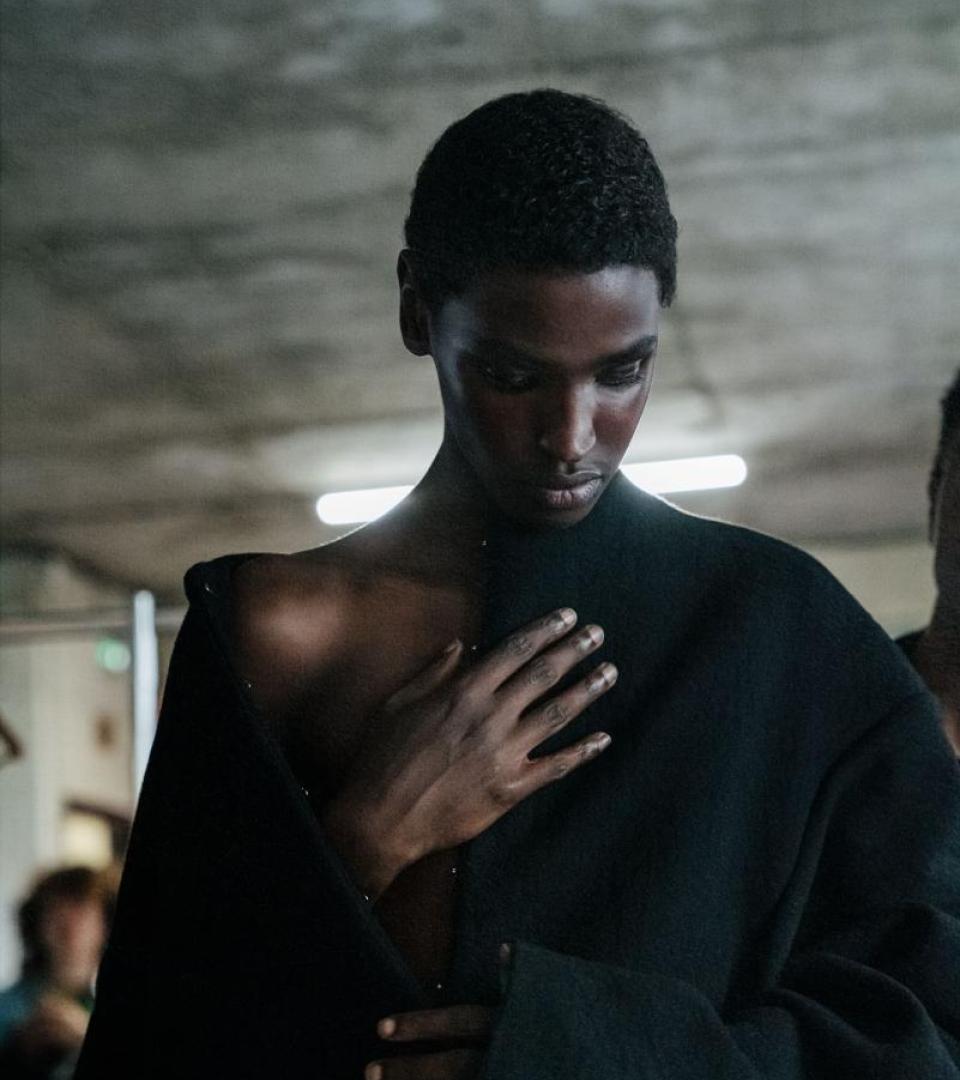
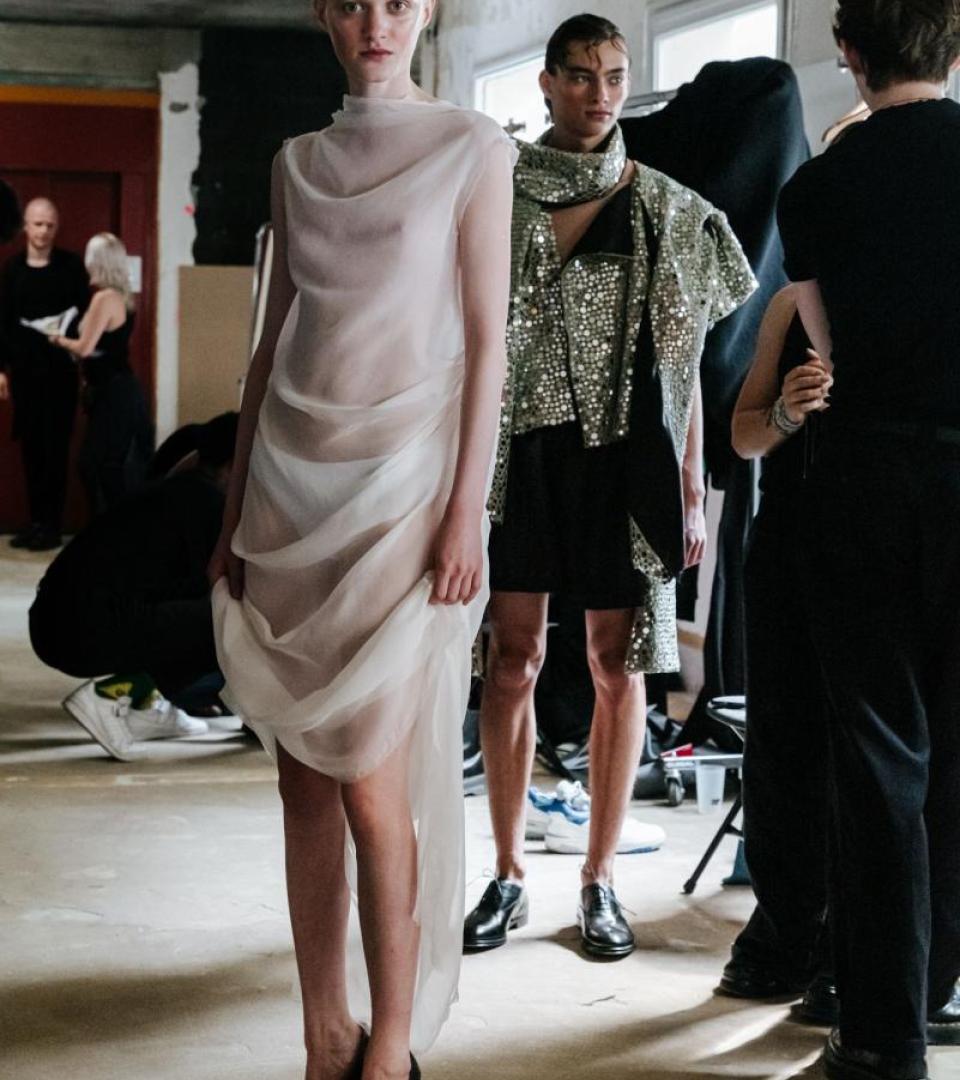
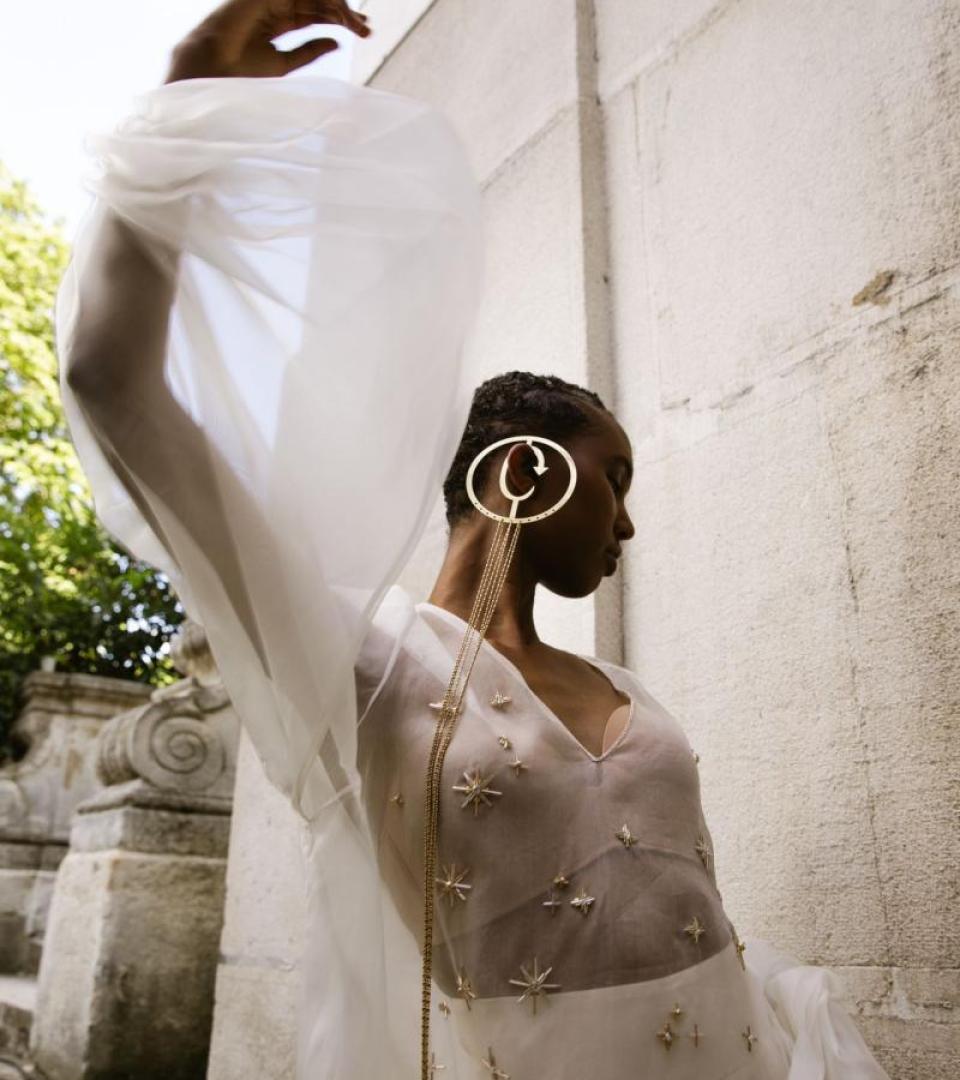
For his Spring-Summer Haute Couture collection, Zuhair Murad, who celebrates the 31st anniversary of his label this year, pondered creative rebirth in the 15th century and the 1950s, when fashion designers reimagined the role of the body. For him, art functions as an essential response to the social and political climate. On his runway, he articulated a tale of romance, radiance, and optimism. Sleight of hand and painstaking craftsmanship attempted to silence the external environment, offering a fleeting moment of reprieve from the state of the world. The ensuing collection was replete with low-slung waistlines, accentuated hips, mermaid skirts, and architecturally structured overskirts. Generous draping and sculptural corsetry inspired by the 1950s, responded to the halcyon days of haute couture salons in Paris. Opulent embroideries shimmered with golden influences inspired by the Renaissance. Entirely handcrafted, the techniques overpowered any form of technological advancements revealing intricate, precious stitches that echo cathedral ceilings, architectural grandeur, jewelry, and the refined Italian interiors of the era. Luxurious fabrics including duchesse, faille, crepe, charmeuse, and silk chiffon composed a poetic palette. There were strokes of familiarity, recognisable silhouettes and familiar flourishes. But Murad insists that each collection offers him a moment to not only reflect but also to renew his perspective and reassert his value proposition.

“Heritage alone is not enough. For sustained success, brands must reinterpret their identity in a way that remains relevant to changing consumer expectations, social values, and technological development,” Murad shared in an email.

What would you like us to know about the new collection?

The Spring-Summer 2026 collection is filled with a deep sense of optimism. It celebrates the idea of rebirth. First, that of Renaissance Florence as history has treasured it, and then the rebirth of couture itself, an art rising from its ashes at the very moment Italian couture took the spotlight on the international stage, after the great Sala Bianca fashion show in Florence in 1952. The collection draws from the foundations of authentic, profound haute couture while granting it new wings and new skies to explore, projecting it toward fresh horizons where heritage and renewal meet together.


How do you think your Maison can spark and sustain desire with so much else going on in the world?

In times of uncertainty, the fashion industry offers a sense of escape, hope, and timeless beauty. It becomes a refuge that delivers emotion, fantasy, and individuality. Desire is deepened through authentic storytelling that highlights craftsmanship, heritage, and the people behind each creation. As modern luxury is driven by meaning, sustainability, and longevity, this positions couture as intentional and enduring rather than disposable. By celebrating femininity, strength, and joy, the brand reinforces the idea that glamour and resilience can exist together. 


How essential is heritage and/or a distinctive identity in contributing to a brand’s success?

Heritage and a distinctive identity play a crucial role in a brand’s success by shaping how it is perceived and remembered. Knowing the codes and mastering them provide a clear sense of authenticity and legitimacy, reassuring consumers of the brand’s quality, values, and expertise. A strong identity allows a brand to differentiate itself, making it recognisable and distinctive among competitors. Heritage nurtures emotional connections. Consumers are more likely to engage with brands that tell a fascinating story, reflect cultural values, or embody a legacy they admire. This emotional bond encourages loyalty and long-term engagement.


What surprises you about the industry in 2026?

What is most surprising about the fashion industry in 2026 is how it balances extreme contradiction. On one hand, the industry is accelerating faster than ever through digital fashion, AI-driven design, social media virality, and rapid trend cycles. On the other hand, there is a renewed emphasis on craftsmanship, heritage, and longevity, particularly in luxury and couture.
 

What role, if any, does a tool like AI have in the creation of haute couture?

There is something deeply beautiful in imagining haute couture as a protected industry preserved by intention. It draws its meaning precisely from the time it requires, from the patience embedded in every decision and every gesture. Couture is about hands, not shortcuts. It honors repetition, imperfection, and intimacy. It is the quiet dialogue between the designer and the material. Each stitch carries intention; each hour spent is part of the garment’s value. In that context, the logic of AI feels almost irrelevant. As the technology evolves, its most meaningful role may be as a collaborator: supporting designers, artisans, and brands by freeing time and resources, while leaving space for experimentation, storytelling, and the artistry that gives fashion its cultural and emotional value.


This interview has been lightly edited.