‘Sending Images’ with Marc Ascoli, creative director
From his perspective on the latest fashion shows by emerging designers, to his experience as a creative director working with photographers such as Nick Knight, Marc Ascoli reflects on the key aspects that have shaped his career and his view of fashion shows today.
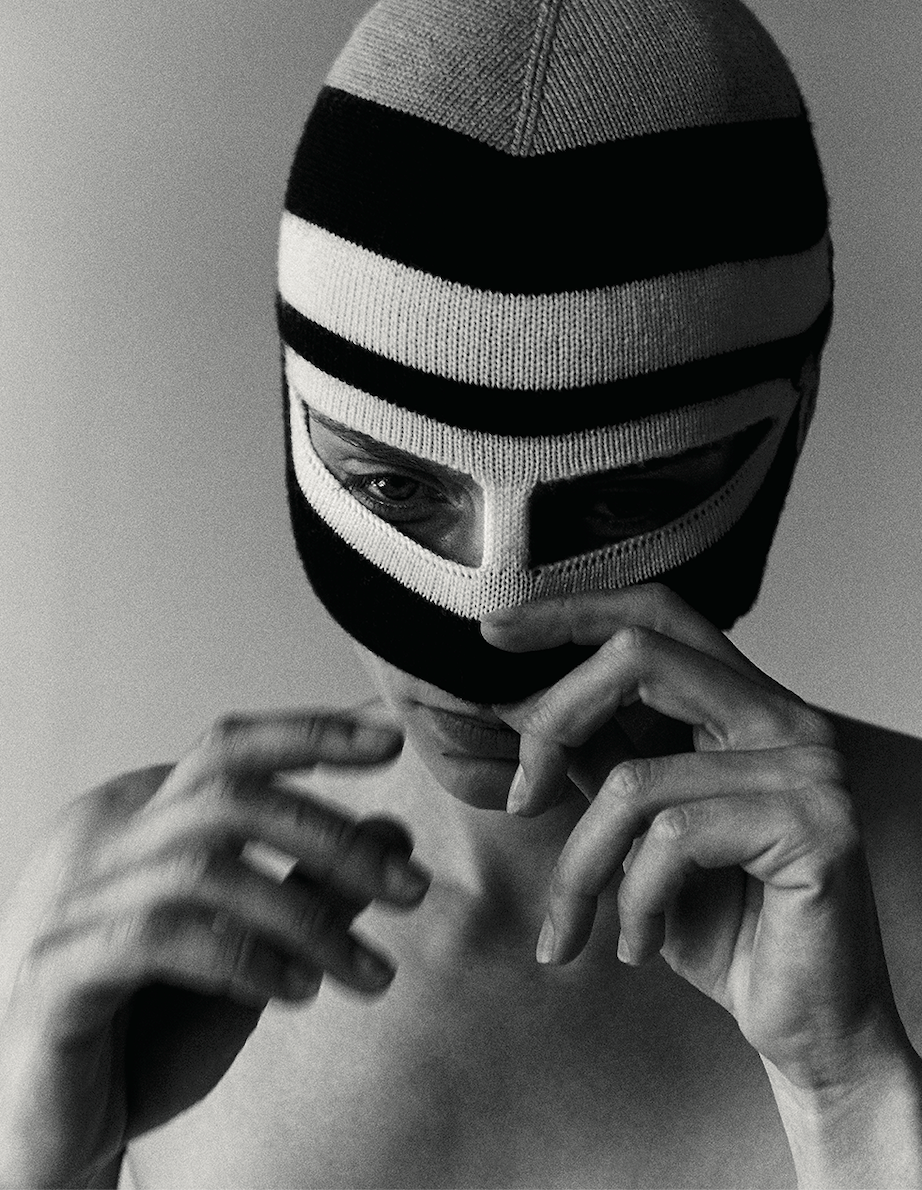
©Sam Rock
The location: rue Saint-Anne. A cosy, lived-in flat, the walls lined to the ceiling with art books, photographs, and magazines both old and new. A cat wanders about, enjoying a bit of a stroke. Marc Ascoli welcomes us in.
He speaks at length and eloquently, with a precision that doesn’t preclude enjoyment. He recounts an outing from the previous evening: an anecdote that is by no means trivial, one that implicitly reveals a way of being in the world, observing people, allowing oneself to be surprised, seeking beauty where one might not necessarily expect to find it. Then the conversation really gets going, exploring the many facets of a role often touted in Instagram bios, attached to names that don’t always know what it entails: creative director of imagery. The very same role, often overshadowed by the creative director of the collection, even though in an industry that now produces more images than clothes, its role should no longer be such a secret.
Born in Tunis, he arrived in Paris as a teenager, spent his nights at nightclubs such as Palace and the Sept, met Martine Sitbon, who would become his lifelong partner, and made the switch to the fashion industry. Then came Yohji Yamamoto, for whom he took charge of communications before completely reinventing the visual language: the campaigns, the catalogues, the images that still hold up today shot by Nick Knight, Paolo Roversi and Craig McDean – talents whom he spotted long before anyone else.
As he tells it, his profession boils down to one phrase: “Sending out images.” Today, he also seeks to pass on this experience, notably through the courses he teaches at schools such as the IFM. The conversation explores the role of creative director, the question of passing on knowledge, and his perspective on the practice of fashion shows.
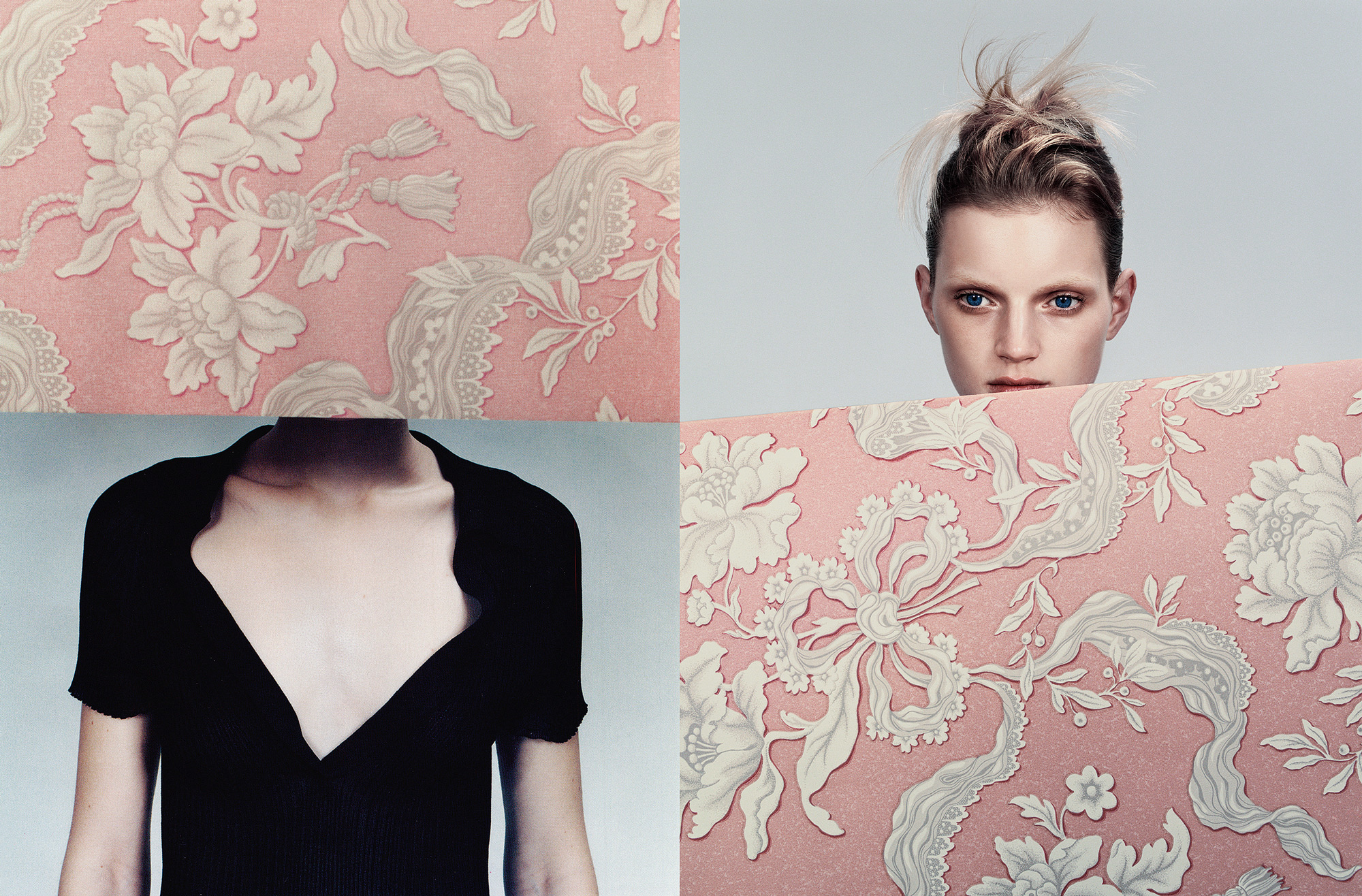
©Craig McDean
About fashion shows
You enjoy going to fashion shows. How do you view them?
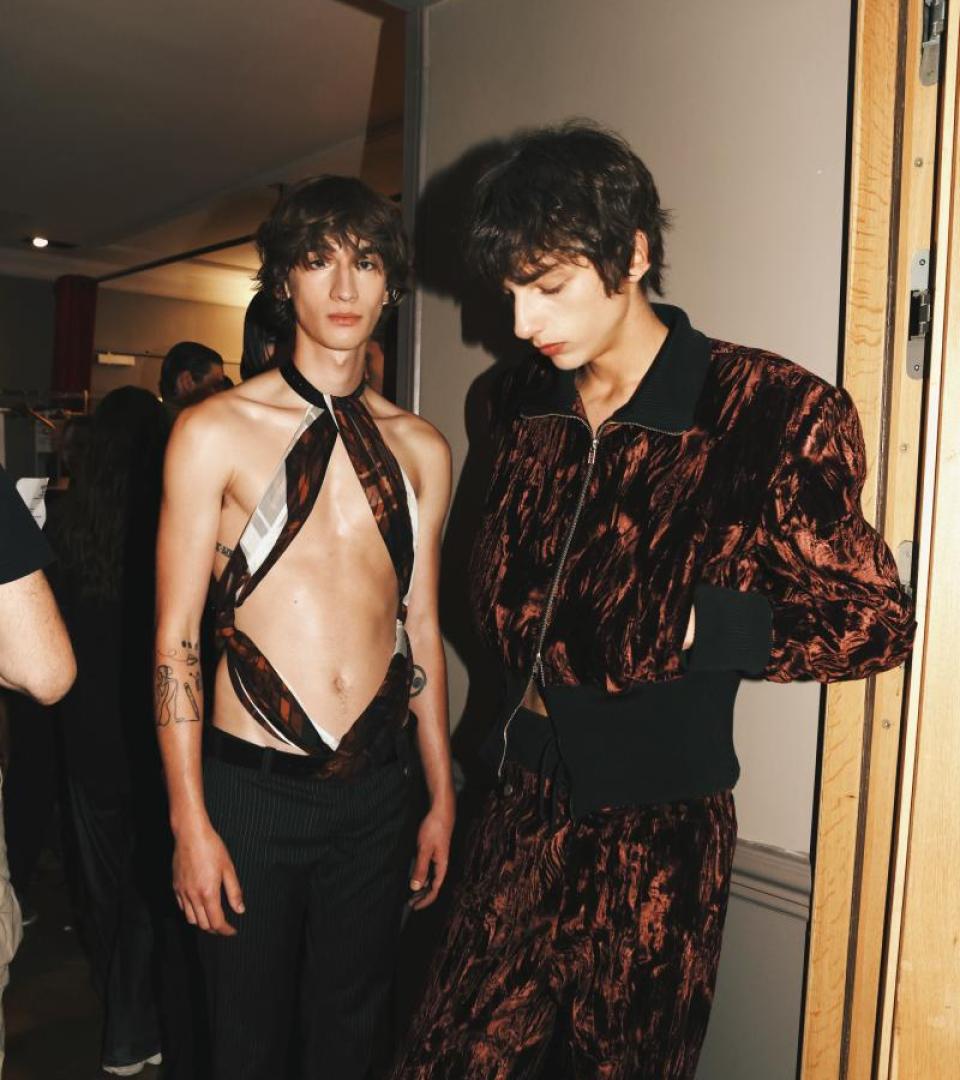
I always go to a fashion show with a certain sense of excitement, because I understand what it’s like from the inside. I live with a designer, Martine Sitbon, and I know it’s an extremely risky business. I often go to see the shows of people I know, people I like, or people I want to discover. What interests me is the way they approach this challenge: it’s like walking a tightrope. These days, even though the resources are considerable – the best models, the best hairdressers, make-up artists, stylists and venues – that guarantees absolutely nothing. And some lose sight of the main point: fashion. You should leave a fashion show with an image in your mind, a desire, something that stays with you. A fashion show should create characters, a sense of presence, not simply line up the ‘most interesting’ girls of the moment.
What was the last fashion show that really blew you away?
The last Margiela show by John Galliano, in January 2024. I was working for Italian Bazaar at the time. It had it all: the theme, the fashion. It wasn’t just about the spectacle. The magic also came from the exceptional quality of the garments, the originality of the casting in a mix of strong personalities, the allure, and the meticulous artistic direction: Pat McGrath’s make-up, Pat Boguslawski’s choreography, and the music… which was deeply moving. We all left feeling almost spellbound.
I also really enjoyed Pieter Mulier’s show for Alaïa, particularly the FW26 collection. It was a total, immersive experience, engaging all the senses. There were visuals, sound and video coming at you from all sides. And quite recently, there was Prada’s latest show for AW26: 60 looks, 15 models – a brilliant, fascinating concept. It wasn’t necessarily a spectacular spectacle in the sense of big names and viral sensations, but it conveys a certain attitude. It really, truly spoke to fashion. The little woollen scarf, then the jumper, then the jacket – at first intriguing, then fully revealed as the layers were removed, right up to the final reveal. And through these constant repetitions of unique women, their personalities were revealed, too.
Do you still see fashion shows as a place of discovery?
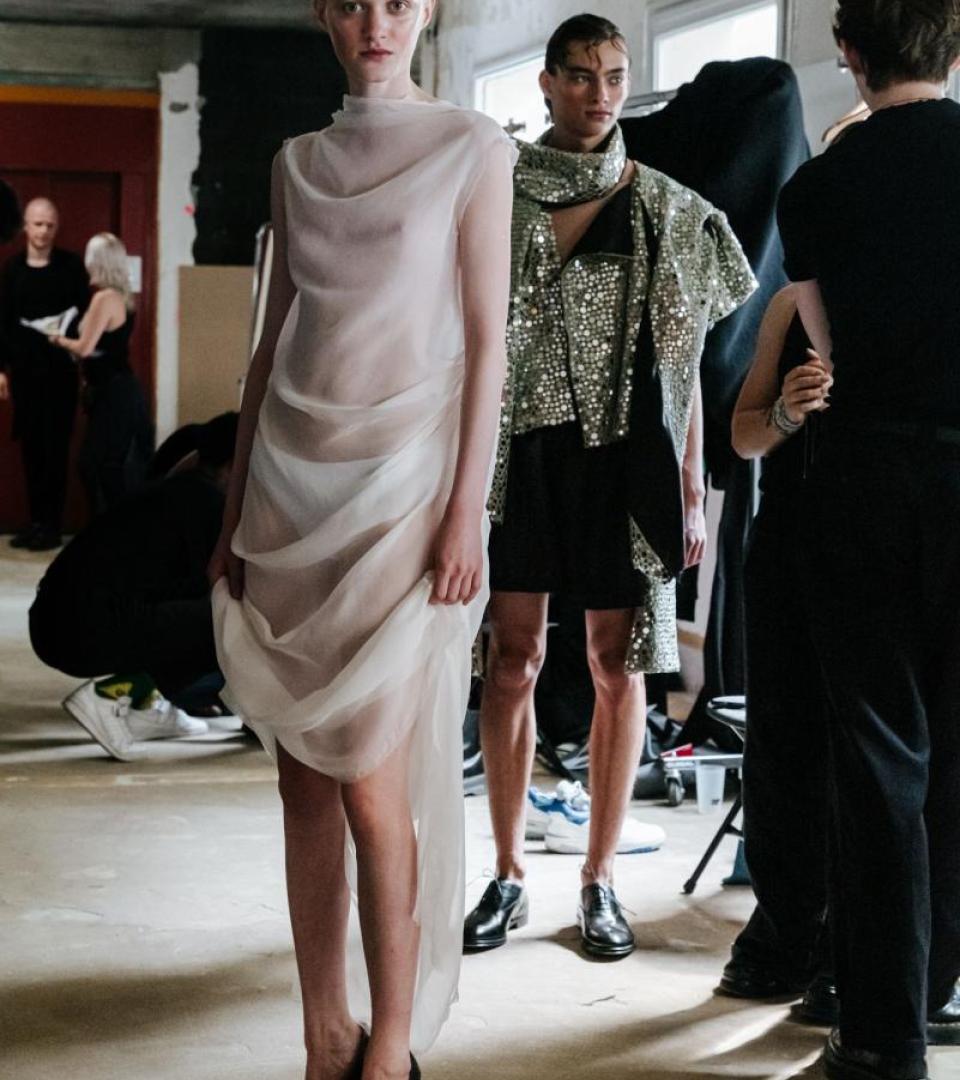
When I started out, going to a fashion show was a closed circle. It was like film buffs: people who spread the word amongst themselves, driven as much by passion as by a desire to discover something new. We’d nudge each other: ‘Did you see that?’ That’s how I was lucky enough to see the first Comme des Garçons show at the Place Vendôme; it took place at the Hôtel Crillon, with just the happy few in attendance. It wasn’t spectacular in the usual sense. The models were literally possessed. Back then, it was Mugler and Montana who were setting the tone. But Comme des Garçons was a complete break from that. A monochrome show, featuring various shades of blue and different shades of black. Natural-looking girls, wearing no make-up, in ballet flats, extremely modern, with loose-fitting masculine blazer trousers and unusual silhouettes. It was very polarising. I immediately rang Martine to share my enthusiasm with her, something I normally never do. I still love that sense of breaking the mould. It’s worth noting that four decades later, I still manage to feel it. Among the fashion shows that inspire me, I can cite those by young designers such as Hodakova who upcycles high-quality garments, very daring. Or Duran Lantink, who is capable of pushing boundaries. I find it very interesting that these designers come from the Nordic countries – Sweden, the Netherlands – because it shifts the focus; it opens up a different way of understanding and interpreting modernity.
When you were staging the fashion shows yourself, what role did you play?
When I was organising and staging the fashion shows, there was no rigid hierarchy. I was a one-man band: I directed the show, took part in the casting, and worked on the make-up, hair, music and lighting. It was a human endeavour; not a war machine. I put on shows for Yohji Yamamoto, Martine Sitbon and Jil Sander. It was very rewarding; I had a lot of fun.
What are the major changes in fashion shows today?
The relationship with time. Before, we used to wait. Newspapers, reviews, TV programmes – it was all shrouded in mystery. Today, the image has become ephemeral content, lost in a continuous stream with immediate access. And everything disappears straight away. If everything is tailored to instantly appeal to a global audience, we lose uniqueness and modernity.
I imagine this change could leave designers vulnerable: they are now almost forced to surpass themselves. Another point: everything is fragmented in terms of roles: casting directors, production teams, assistants, assistants’ assistants. Amidst this proliferation of roles, we sometimes lose something essential: the connection between things. That ‘feeling’ came from there, from the fact that everything was seen through a single lens.
And at the same time, some things remain unchanged: Paris is still the city of fashion. If you want to be truly recognised as part of the fashion world, this is the place. There’s a unique atmosphere – the spaces, the streets – you can still feel it.
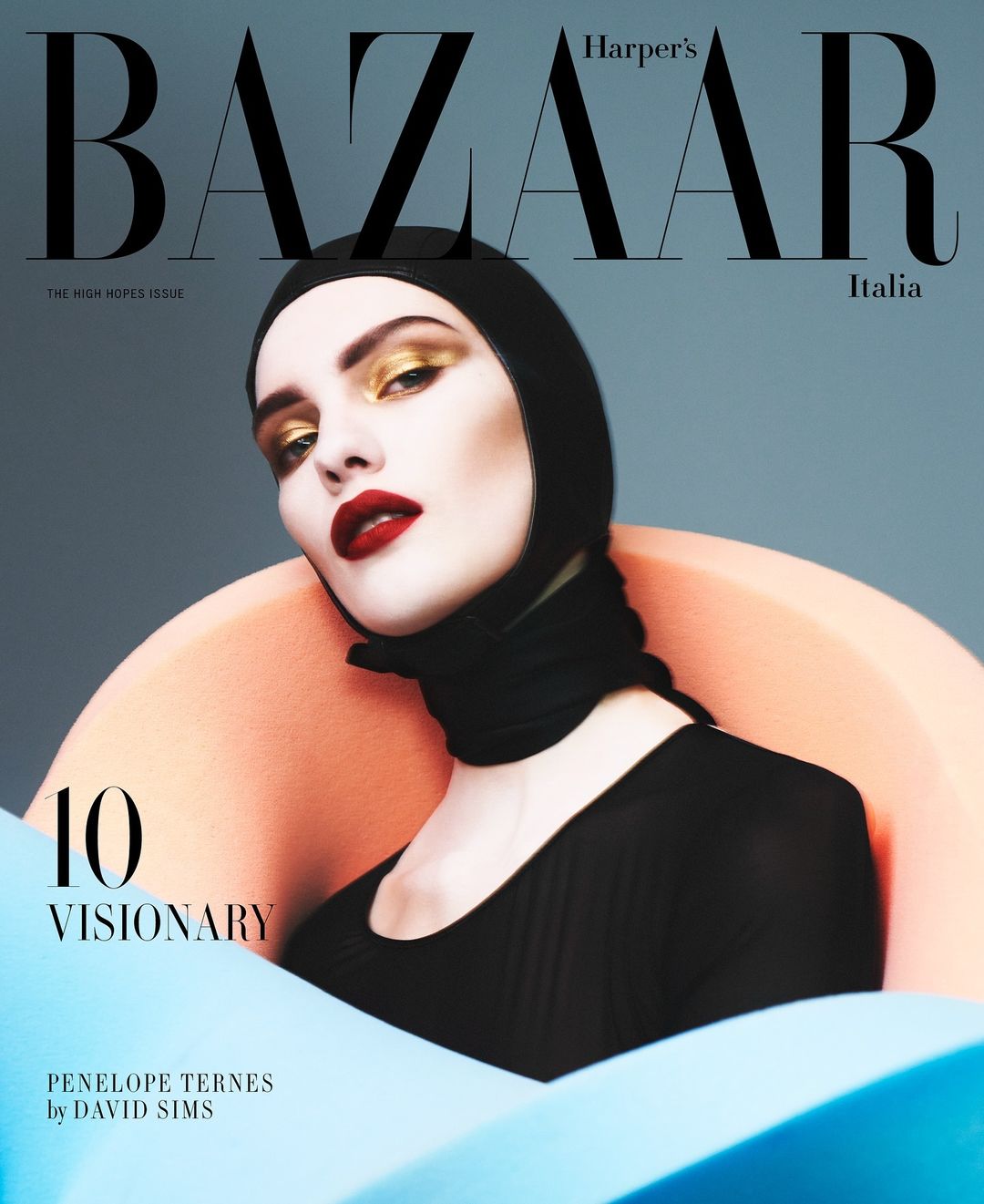
©David Sims
About the role of the artistic director
How would you describe your job?
I think there are a lot of misconceptions about the role of an art director. A talented art director isn’t necessarily someone who comes up with complicated concepts. It’s someone who knows how to observe, who knows how to put teams together, and who knows how to send images to the people they work with. As I’m talking to you now, I’m already sending you images. That’s what it’s all about.
Yohji Yamamoto really liked this idea of sending images. He didn’t say much, but that meeting was extraordinary. He asked me if I spoke English well. I told him I knew how to make myself understood. [Meanwhile], sending images is my job. He asked me to go to Japan with him the following month, and a great adventure began. We worked together for more than 12 years. He made me surprise him every single time. That’s incredibly stimulating. That’s how I moved from Max Vadukul to Paolo Roversi; from Paolo Roversi to Nick Knight; and from Nick Knight to David Sims.
In short, my job is to curate and to circulate. To choose, to decide, to guide. To work with teams so that they immediately grasp an intention, an atmosphere, a direction. Something has to come across effortlessly, almost by osmosis. Otherwise, nothing works.
It’s a form of translation in the most intimate sense of the word: converting a sensation into an image, an intuition into a decision.
You challenged your own world by taking on AnOther – a British culture, a language you’re not comfortable with. What did that experience teach you?
I had a lot of fun. It lasted more than four years. I had Susannah Frankel and Jefferson Hack. I’ve always been drawn to the British scene; I’ve always really liked that sense of breaking the mould. I loved their taste and their attitude: that blend of chic and rebellion. I was accepted by the British with remarkable ease; they understood the images I sent them, and that allowed me to keep discovering new generations, such as Sam Rock, Carlijn Jacobs, Paul Kooiker, and so on…
And with *Bazaar Italia*, which you took over in 2022 and for which you edited 12 issues, was that a different approach?
*Bazaar Italia* hadn’t been published for several decades. I launched it from scratch, starting with the very first issue. I felt it was important to pay homage to the past; Alexey Brodovitch and Diana Vreeland are figures who have influenced me greatly. I worked on my first cover with Paolo Roversi. He placed his trust in me straight away, which allowed me to establish, right from the start, a sophisticated identity that remained true to Bazaar’s DNA.
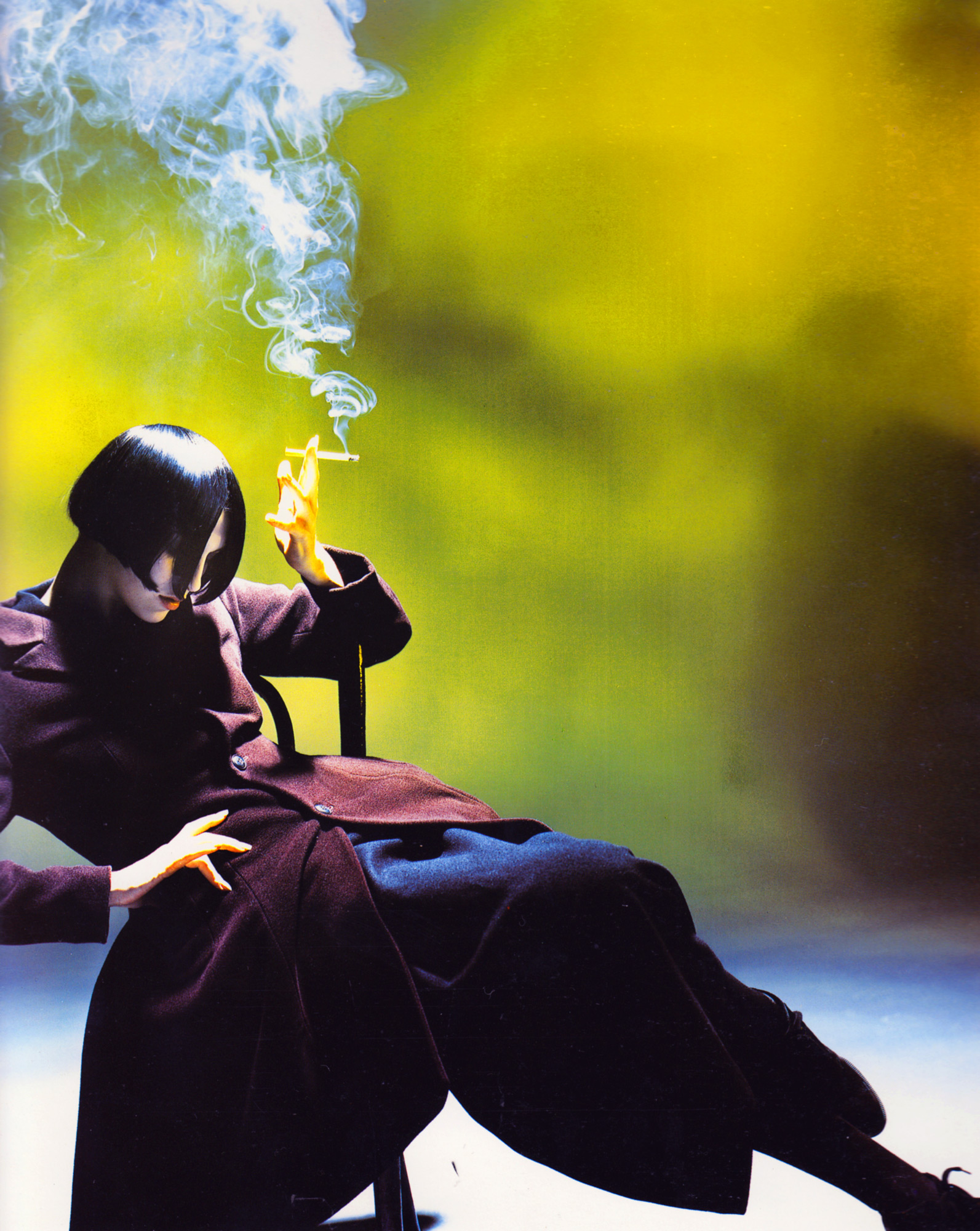
©Nick Knight
About his heritage
You’re currently working on a book. What will it be about?
For now, I have an idea for a sub-title: Chasing Beauty, kind of quest, a pursuit of beauty. The book will be about passing something on, sharing an experience, but also a way of seeing. My path wasn’t a pre-determined one. I didn’t go to art school. I learned by working, by observing, by meeting people. What matters is that curiosity. That energy. That desire to understand.
Your career has been built on intuition, chance encounters and boldness. Can that be taught?
I’ve never thought too far ahead. I’ve always believed this is a profession you can pursue for a long time. The more you know, the more you learn, the more you grow. To the students I meet at the IFM, I tell them they need to be very well-informed and adopt the right mindset. Fashion is a vocabulary. You have to engage with it without superficiality: calibrate yourself, observe, dive in, and draw inspiration from everything that’s happening. Dig deeper, get into the details, take an interest in who’s doing what – because today, more than ever, there’s far too much content. You have to train your eye, keep it informed, surround yourself with discerning people, and cultivate a relentless curiosity. Adopt an attitude that goes against the flow: truly knowing whether the essential elements are there. That’s what will make the difference in this age of overproduction.
This interview has been lightly edited.
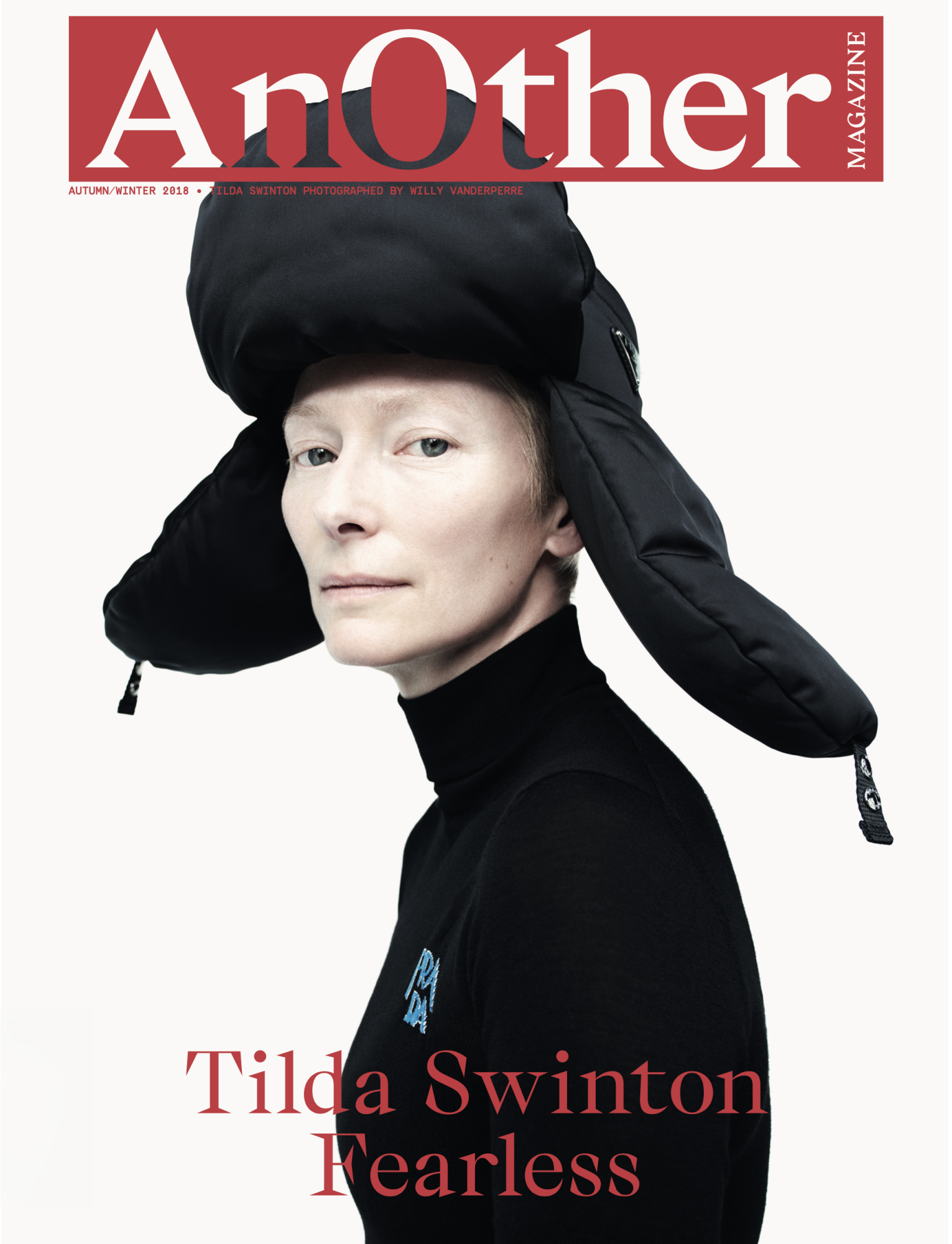
©Willy Vanderperre