Sophie Lemahieu: "The museum is a living institution. It is part of our role to be a stage for emerging designers and to inspire them."
Since 2003, the Fédération de la Haute Couture et de la Mode has been a partner of the Hyères Festival. Every year, it organises "Les Rencontres Internationales de la Mode", a gathering of experts in fashion, culture and creativity to exchange ideas and share perspectives on the sector’s challenges and innovations. These meetings foster dialogue across disciplines and are aimed at both emerging talents and established professionals.
Curator of Fashion and Textiles at the Musée des Arts Décoratifs since June 2022, Sophie Lemahieu oversees the collections from 1947 to this day, working directly with emerging contemporary designers. A historian, teacher at the École du Louvre for over ten years, author and exhibition curator, she shares with future professionals and the general public the history of fashion and clothing as a language and witness to social and cultural change.
Sophie Lemahieu closely follows the forward momentum of contemporary creation to situate it within a historical perspective and reveal its full complexity. As Curator of Fashion and Textiles at the Musée des Arts Décoratifs (MAD), she works alongside Denis Bruna, responsible for periods prior to 1800, and Marie-Sophie Carron de la Carrière for the 19th century and the first half of the 20th. Her focus starts in 1947, the year Christian Dior introduced the New Look, which confirmed and propelled Paris as the postwar fashion capital. "It's a chosen division, which is, of course, more blurred than that. Silhouettes were already beginning to evolve as early as 1945. It's a point of reference." Trained at the École du Louvre in art history and ethnology, she discovered fashion as a social and cultural object. She has been teaching fashion history for over ten years. "I teach third-year students, who are very knowledgeable and want to pursue it as a career. These lessons are genuine exchanges that are as enriching for me as they are for them.." Before joining the MAD in 2022, she spent over six years at the Comédie-Française as costume manager, an experience that fully introduced her to the concrete and living dimension of clothing. She discovered "a living stock, where costumes are conserved, then transformed and resized for new actors. There is an intangible heritage through the know-how of these workshops. It helped me greatly with understanding textiles and their specific uses. It becomes extremely concrete when you see the garment on a body, being made."
"It is very important for me to contribute at the Villa Noailles because the Museum represents the Decorative Arts up to the present day, and we want to be as close as possible to contemporary creation."
In 2022, the year she joined the MAD, she published S’habiller en politique : les vêtements des femmes au pouvoir (1936 2022) (Dressing for Politics: The Clothing of Women in Power), her first book as lead author, continuing the work she began for her final thesis on the clothing of female politicians in France in 1991, supervised by Denis Bruna, now her colleague. Upon her arrival at the museum, she found the opportunity to fully deploy her approach to knowledge transmission, which allows her to address not only (future) professionals, but also a very wide audience, from curious novices to seasoned experts. A year after her arrival, she curated her first exhibition, "Fashion and Sport, from one runway to another", shown from September 2023 to April 2024. "The timeframe was extremely short for such a major exhibition. I didn’t arrive neutral on the subject, having taught 20th-century fashion at the École du Louvre." The project drew on the museum’s collections, complemented by numerous loans, and her colleagues’ perspectives. The challenge was to find the most accurate and readable way to make objects speak, such as an automobile cover-pants, which only makes sense when shaped on a mannequin. "I find that this kind of object is characteristic of the work carried out and the balance between the object that will speak for itself, there for visual enjoyment, and the more documentary object, which deserves its place all the same."
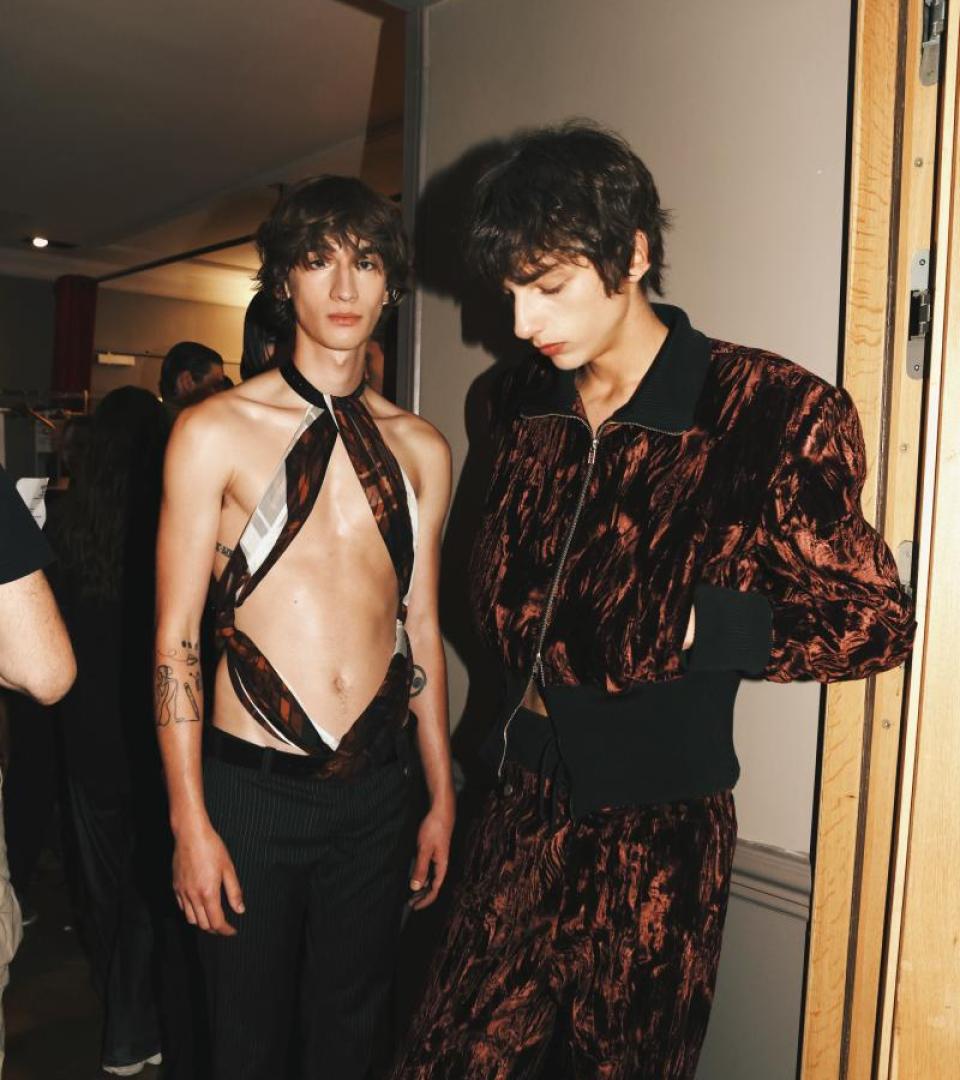
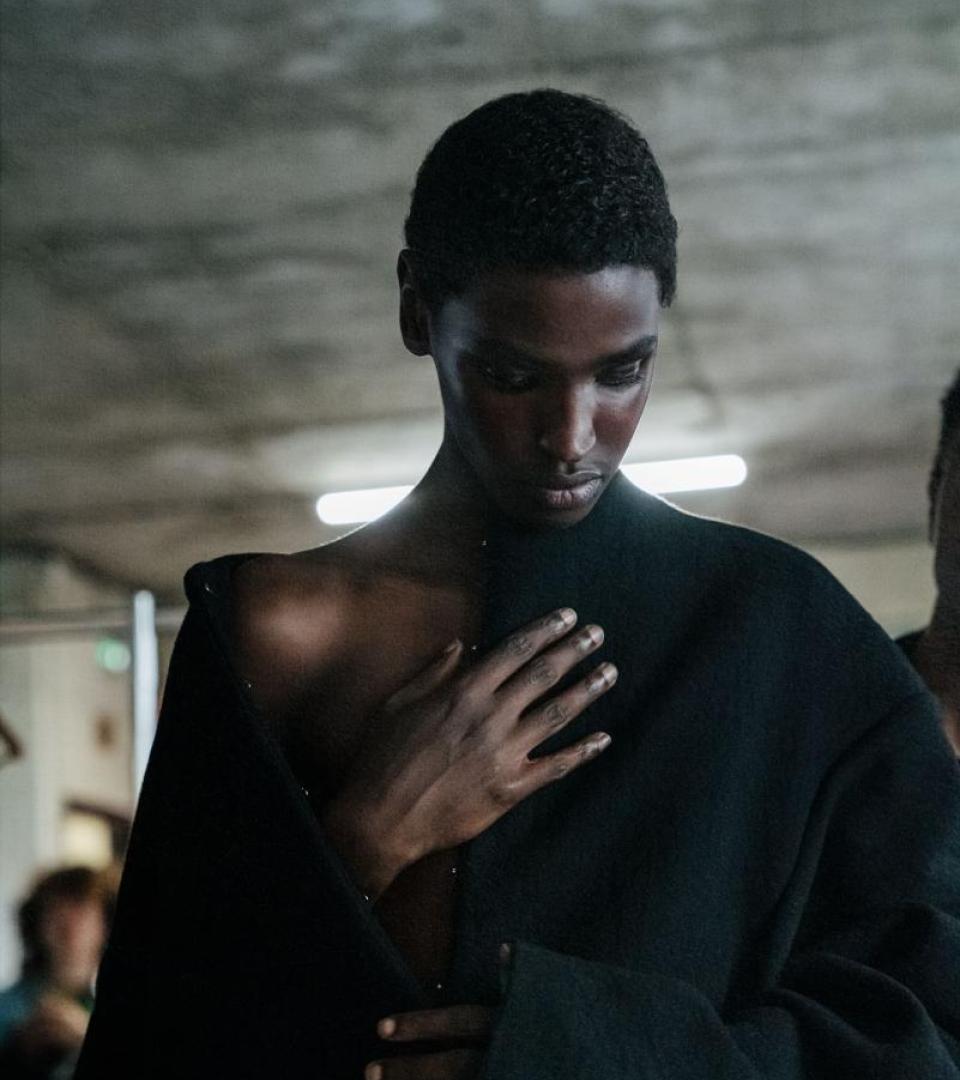
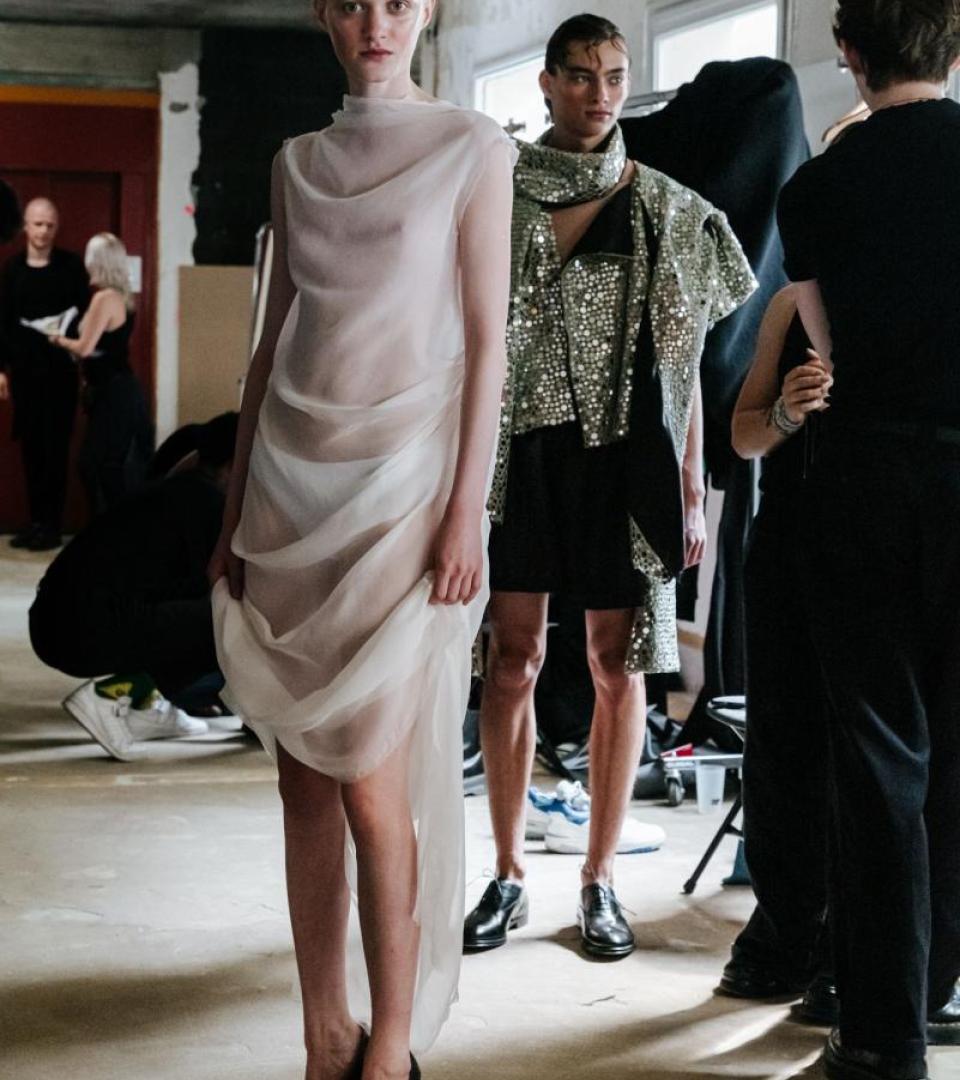
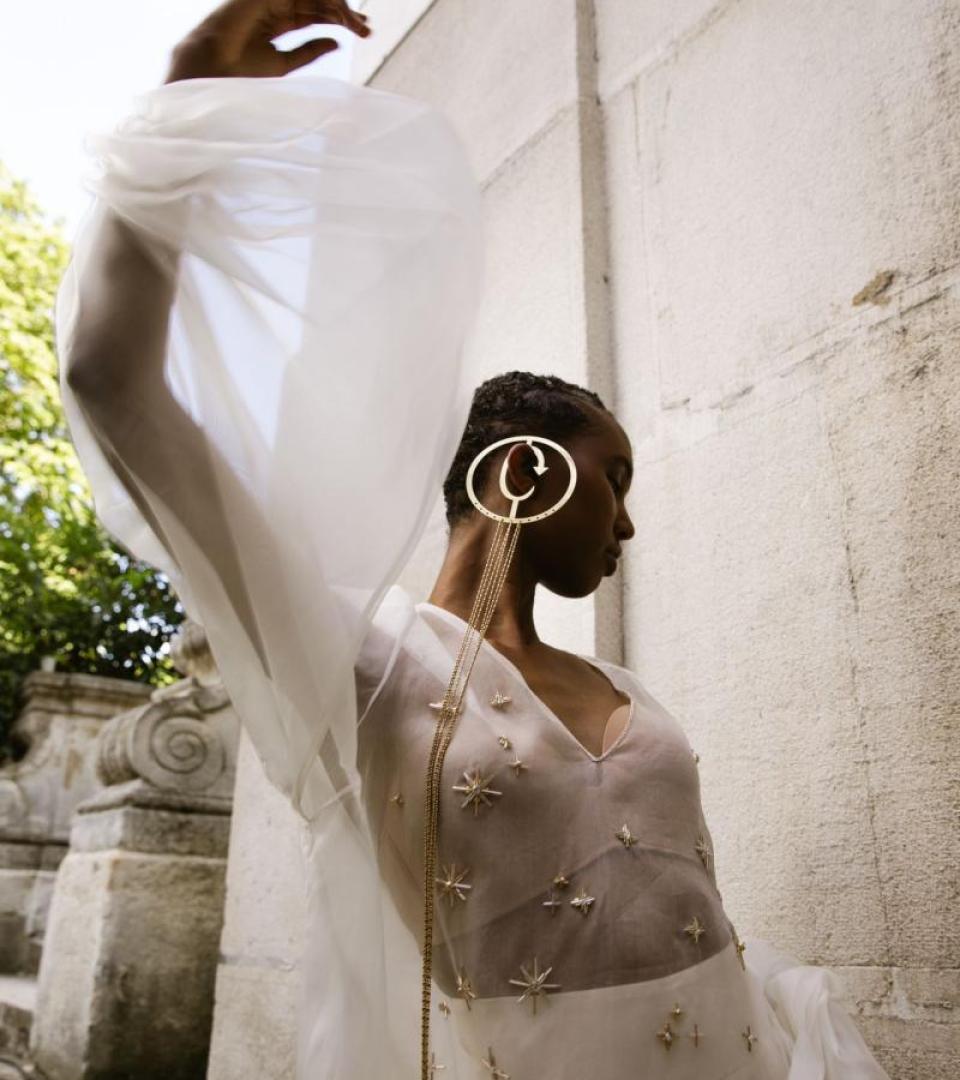
Shortly thereafter, she curated Fashion, New Generations: 35 Years of ANDAM, presented from October 2024 to March 2025. "In my position in particular, promoting young design is essential, and the Musée des Arts Décoratifs really wants to be part of this. Part of our role is to serve as an inspiration to young designers in all areas of the arts and decorative arts, but also to provide them with a stage." Links between the museum and ANDAM already existed: an initial collection had been launched in 2000, followed by a second in 2006, initiated by Olivier Saillard. For this new exhibition, she picked up the thread, reconnecting with some designers to request new donations. "The goal was to show the diversity of creation, sometimes with names that have remained famous, like Martin Margiela, the first ANDAM laureate, and other brands that have ceased activity but whose creativity remains fascinating." Making these worlds resonate in just a few silhouettes required close dialogue with the designers themselves: "These new donations had to be as well documented as possible. I wanted to choose directly with the designers which pieces would enter the museum’s collections, those that truly represented their work, summarizing it in a way. That is what we aim to transmit."
Reuben Attia