Actualités

Inside Maxhosa’s Runway Debut

Interviews

For Laduma Ngxokolo, the significance of Maxhosa’s debut runway show during Paris Fashion Week is encapsulated in the title, Izihlwele Zivumile, which translates to ‘the ancestors have co-signed.’ Sixteen years since Ngxokolo founded Maxhosa, and five Paris presentations later, the label has finally made the jump to a runway presentation. This feels less like a milestone; more a stamp of approval.

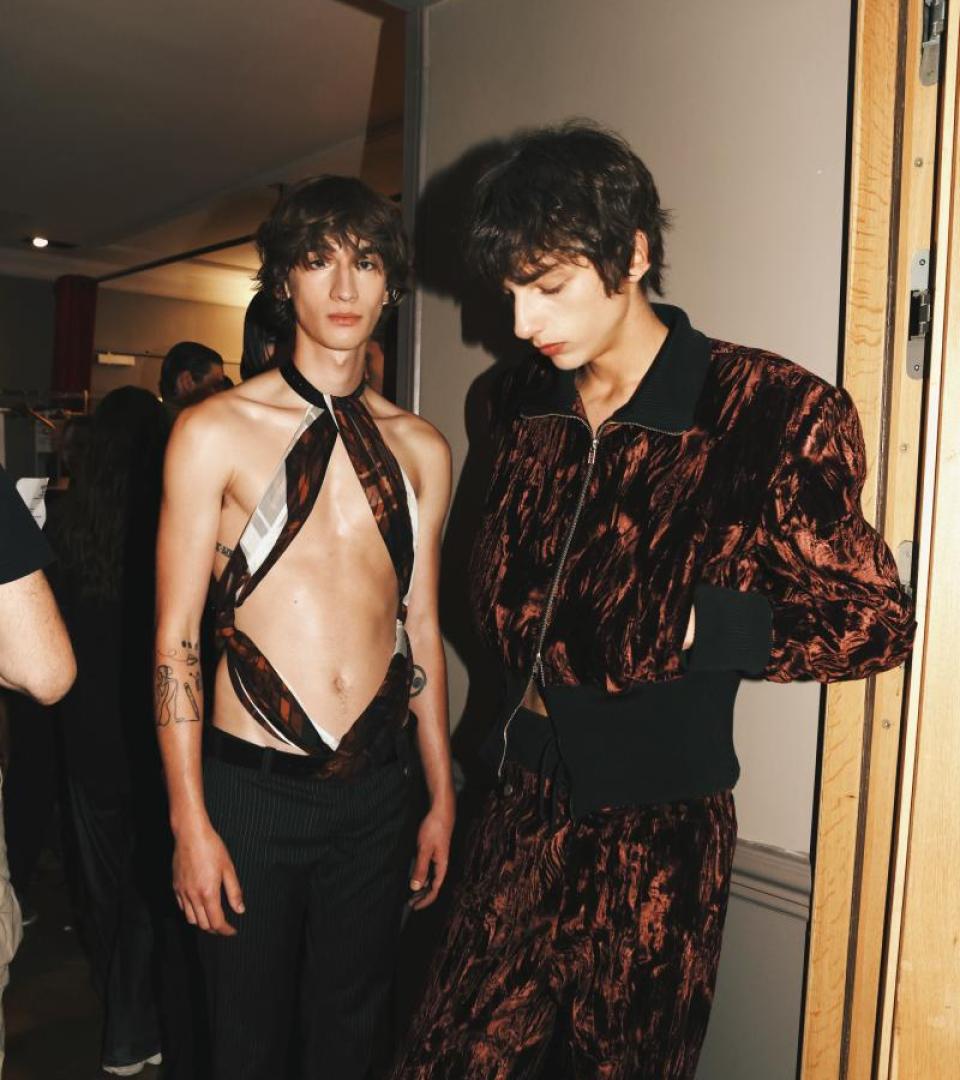
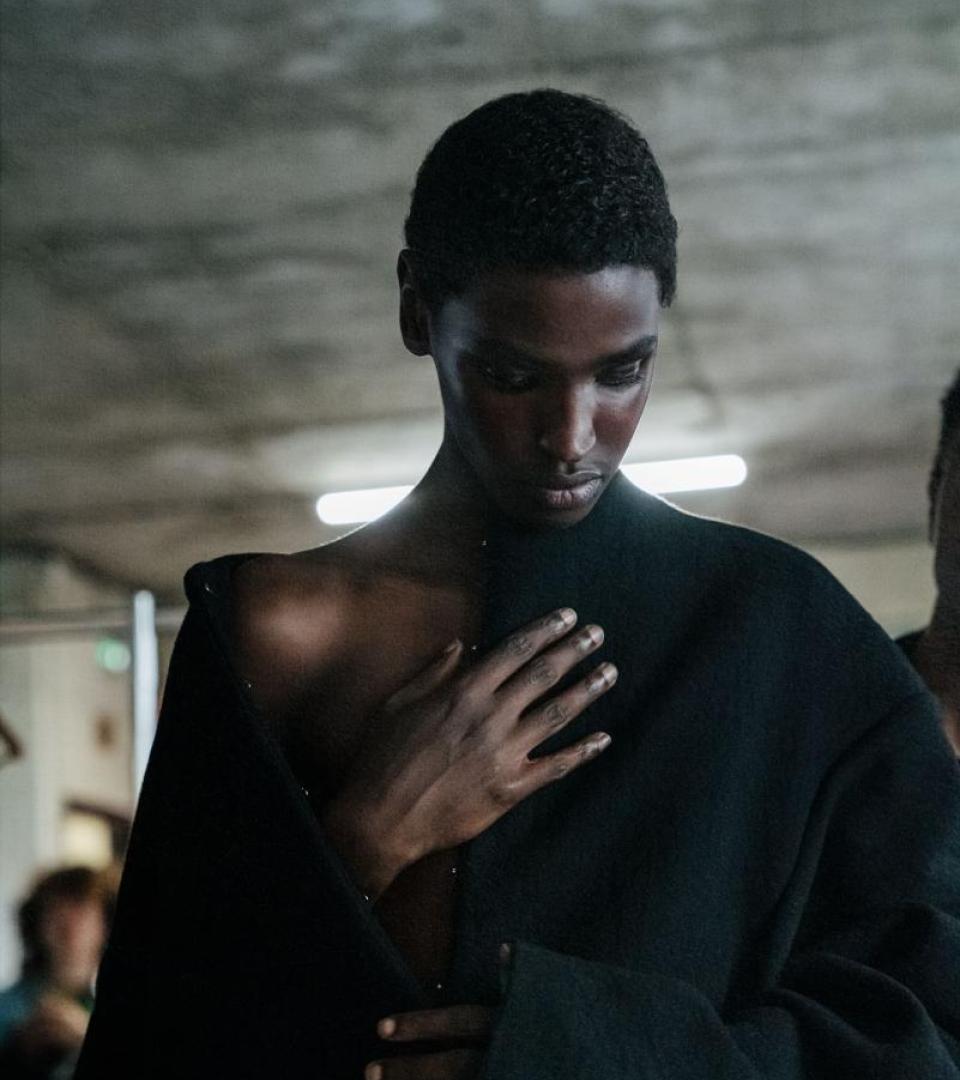
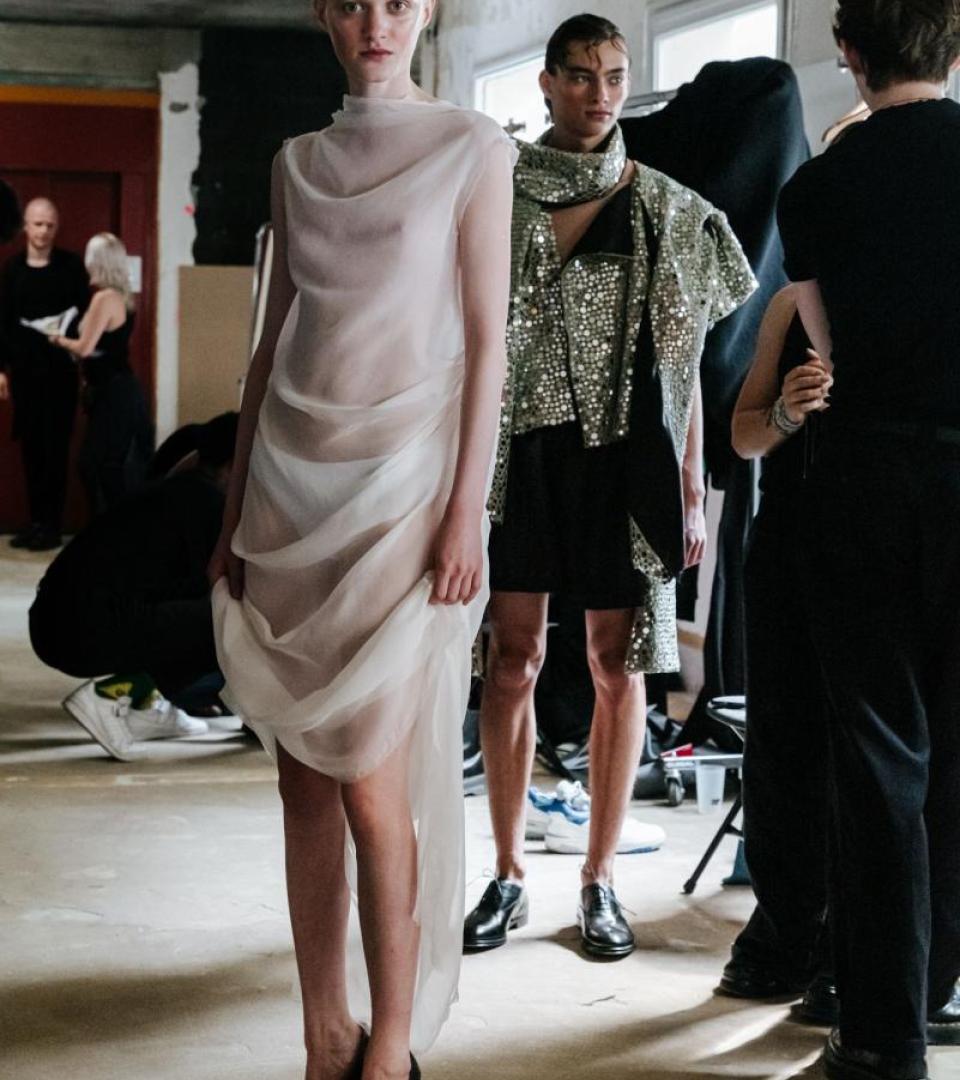
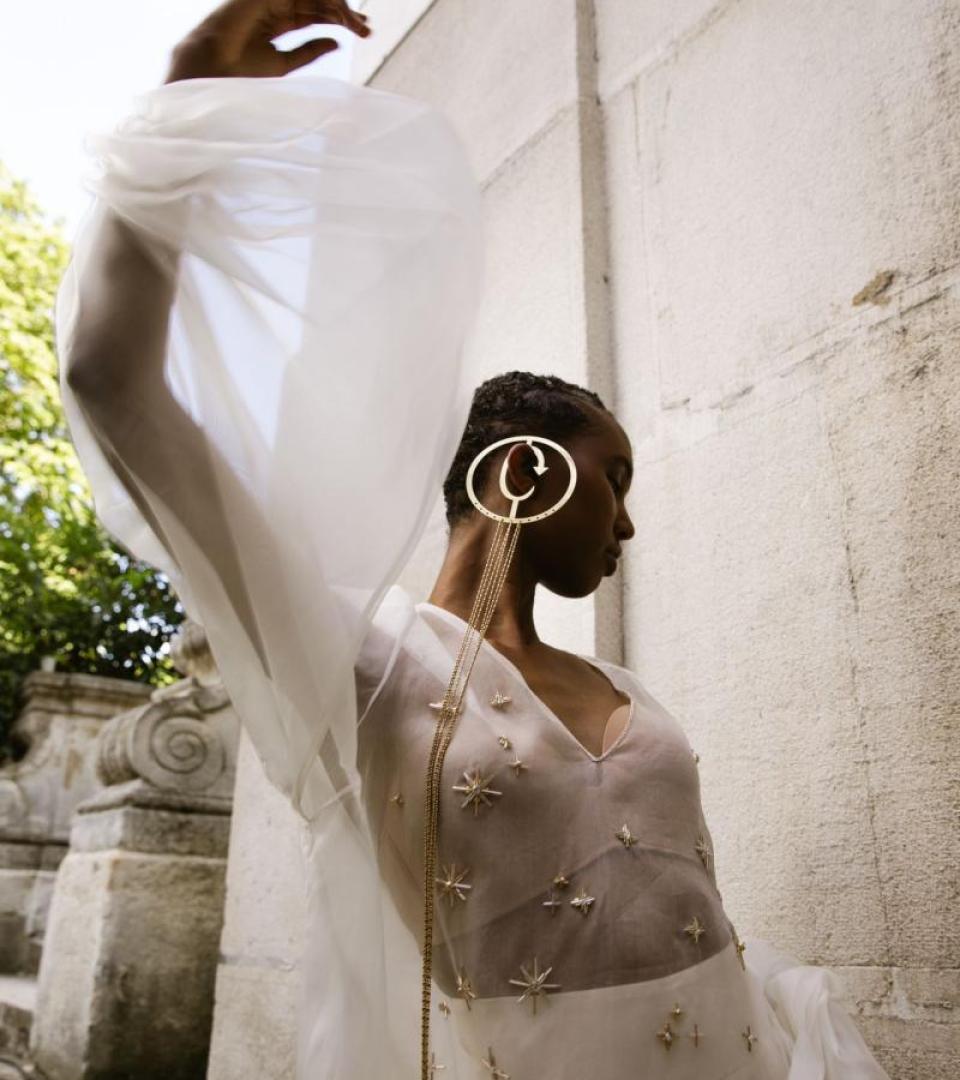
The collection melds various cultural touchstones like the Mpondo tribe and the roots of the founding family, as well as Cape Aloe, a woody aloe indigenous to South Africa and commonly found in the Eastern Cape. Both served as emblems on the invitation, which doubled as a passport, to signify the brand’s journey from South Africa to Paris. As a backdrop to the runway, South African artist Sjava adds a spiritual quality with her crooning. Ngxokolo eludes the trappings of presenting cultural and historical references in a simplified fashion. Specifically, he pushed for a clearer and more contemporary visual language this season, largely focusing on a monochromatic palette. As the brand continues to build towards being a global luxury house from Africa, its ambitions become greater. This collection feels like its mission is becoming a reality.

Ngxokolo said via email, “Everything happens in its own time and for a reason. For us, this moment feels like the ancestors saying, ‘Yes, this is the time.’"

Spring-Summer 2027 marks MAXHOSA AFRICA’s first official runway show in Paris after several seasons of presentations. What does reaching this particular milestone mean to you, and did the runway format change the way you approached the collection?

The presentations helped us build our language and establish MAXHOSA internationally. The runway feels like the point where all of that work comes together.


Your work treats heritage as something living and continually evolving rather than something preserved in the past. How does the Spring-Summer 2027 collection push your interpretation of African heritage forward?

For me, culture is alive because people are alive. It evolves with every generation. MAXHOSA has always been about the modernisation of culture rather than preserving it as something from the past. Spring-Summer 2027 continues that by taking elements that are deeply rooted in our heritage and placing them within a contemporary global luxury language. The culture remains at the centre, but it is not treated as a curio or a gimmick. It is living, evolving and moving forward.


Last season, Siyi-Kulture broadened the conversation beyond Xhosa culture to draw from several South African traditions. Where does Spring-Summer 2027 take that cultural dialogue next?

Siyi-Kulture opened up a broader conversation about the richness of South African culture beyond one cultural identity. With Spring-Summer 2027, that conversation continues through a more expansive understanding of what African luxury can be. We are interested in our different histories and cultural references, but we approach them through a contemporary lens. The intention is not to create one definition of African culture, but to show the complexity and diversity that already exists within it.


You have said that your aim is not to make African culture more “readable” to Western audiences. As MAXHOSA’s international visibility grows, how do you protect that independence of perspective while speaking to an increasingly global customer?

By remaining true to where the work comes from. I don't believe African culture needs to be simplified or translated to have global value. MAXHOSA was created from within the culture, from my own lived experience, and that remains the foundation. We are not trying to become less African to become more global. The ambition is global luxury from Africa, allowing our culture and our perspective to exist on the global stage on their own terms. 


This interview has been lightly edited.