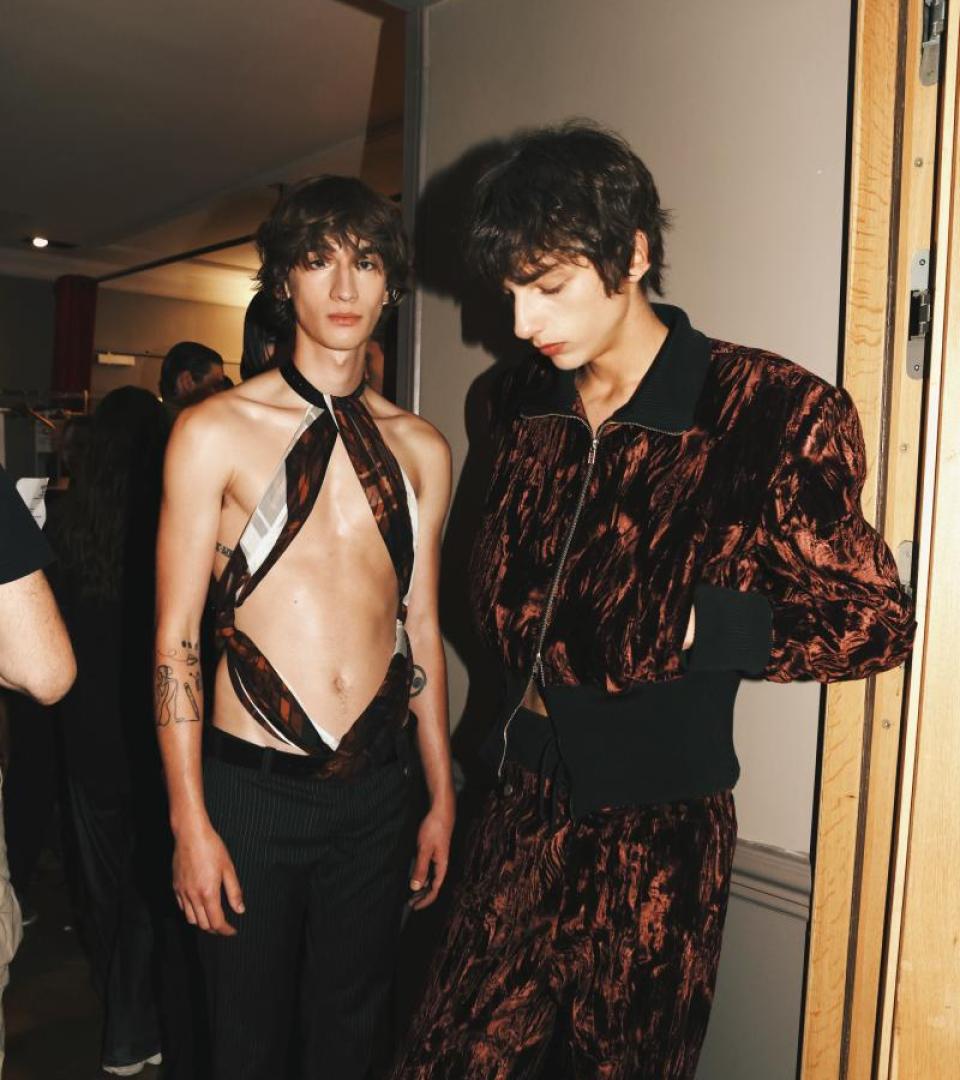
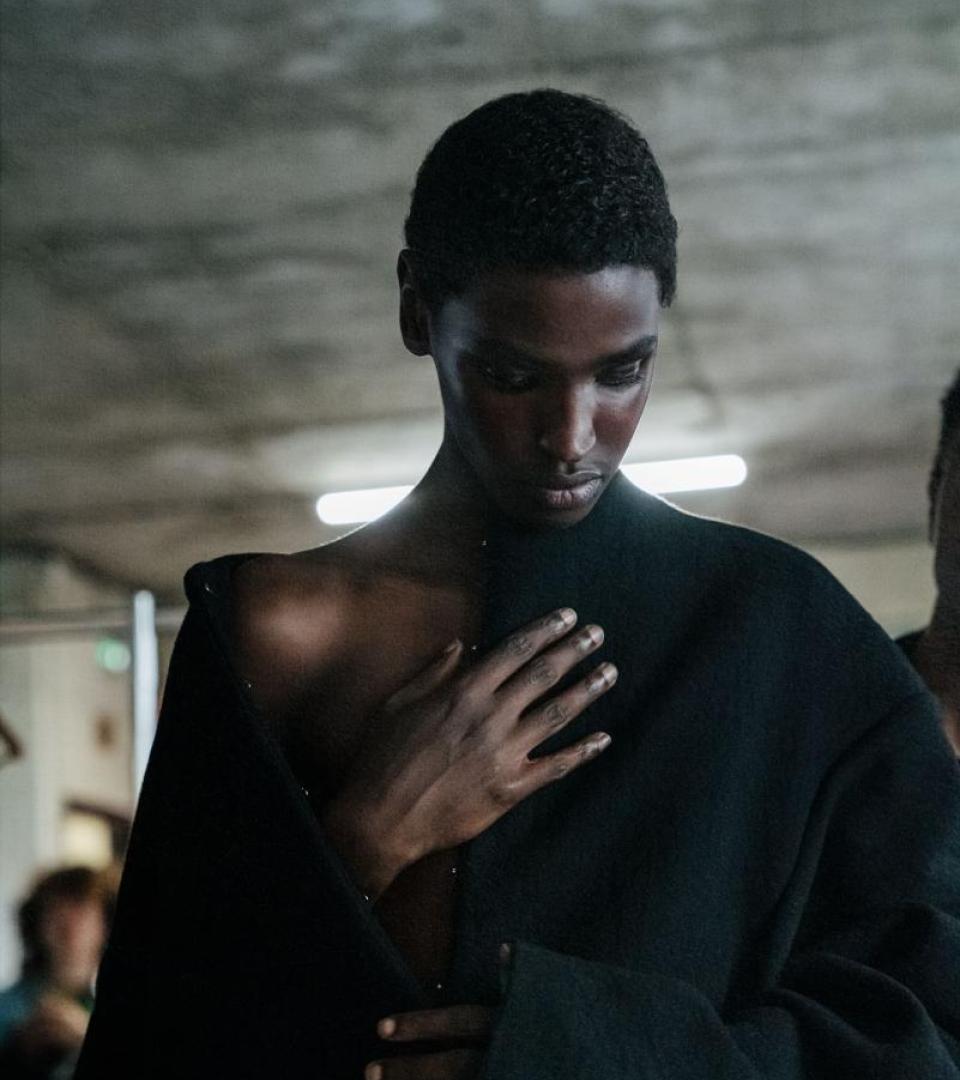
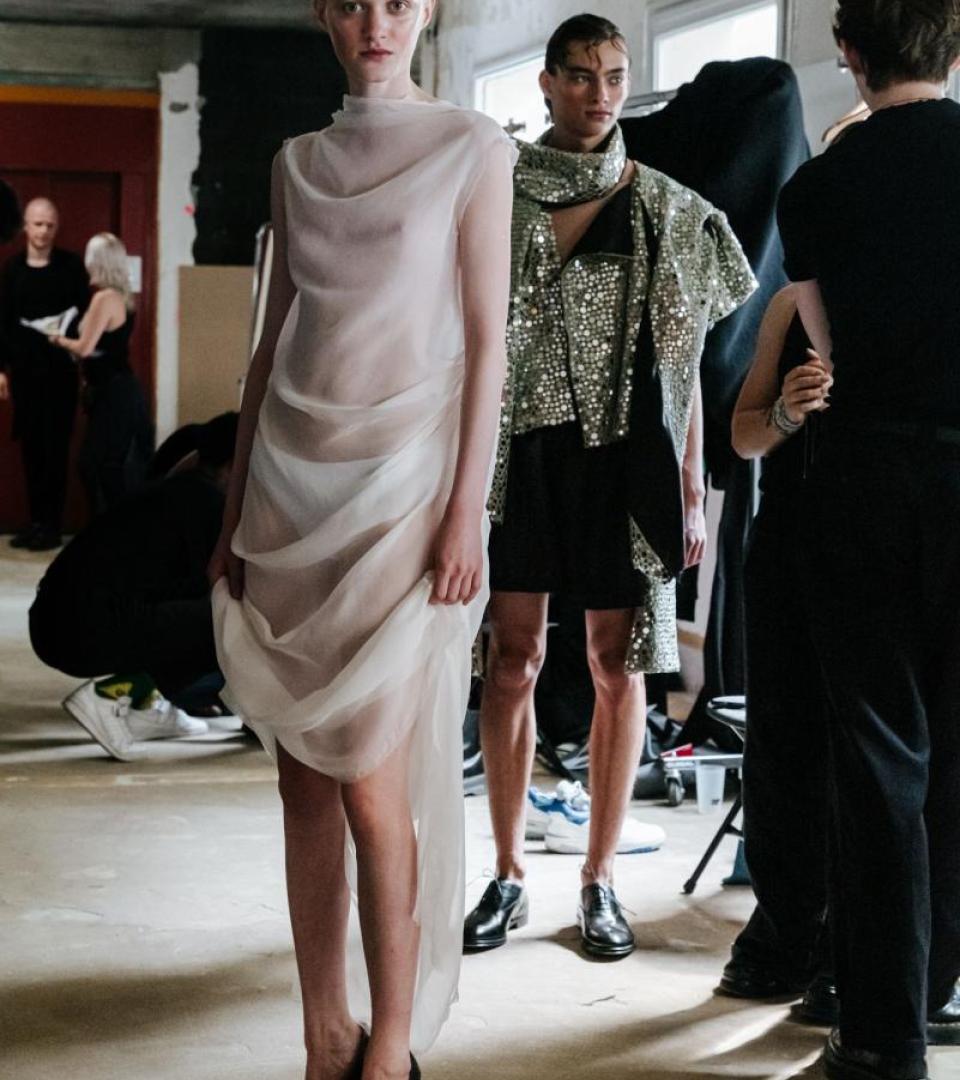
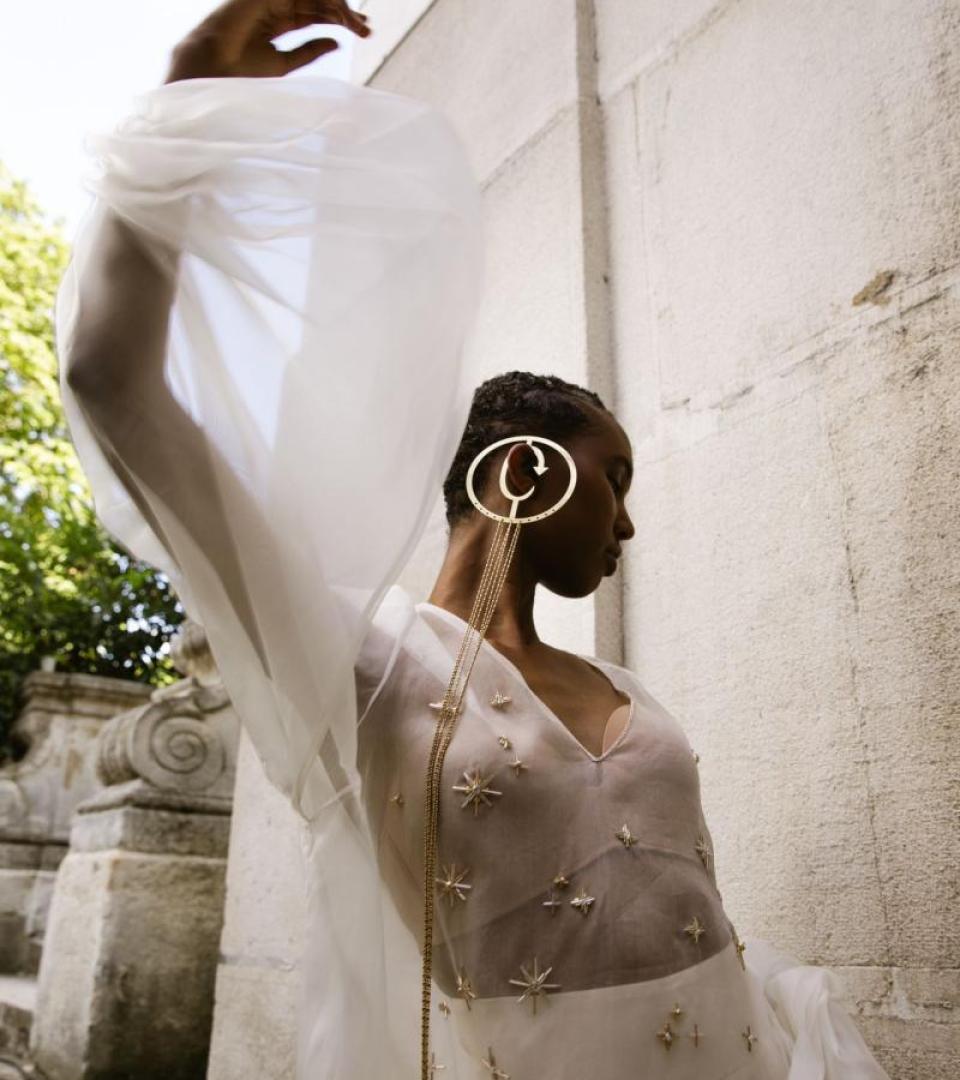
What excites you in fashion right now?
It is always exciting when fashion moves away from noise and returns to intention. I am generally drawn to projects rooted in research, craftsmanship and a clear point of view, where clothing becomes a language rather than a statement.
What is one reason to be optimistic about the state of fashion going forward?
The growing need for meaning. In moments of uncertainty, superficiality feels fragile. This pushes fashion to rethink its values, rhythms and responsibilities — and that can only prove productive in the long term.
What do you enjoy most about Paris Fashion Week?
Paris still allows space for imagination. It is one of the few contexts where history, experimentation and discipline coexist naturally, and where risk is not only accepted but expected.
Do trends still matter?
Trends exist and are increasingly temporary, but they matter less than coherence. What truly endures is a strong identity. Trends pass through it, not the other way around.
Given current uncertainties, in what ways do you see brands and houses effectively driving business growth?
By slowing down, paradoxically. By focusing on what is essential, building trust over time, and cultivating communities rather than audiences. Today, growth comes from credibility.
How do you see designers sparking and sustaining desire today?
Desire comes from tension — between visibility and restraint, familiarity and discomfort. Designers who protect mystery and avoid overexposure tend to create longer-lasting desire.
What aspect of your work is most fulfilling?
The moment when an idea becomes physical and begins to exist independently of me — when the work starts to speak on its own.
What is your favourite way or word to compliment someone’s style?
“Necessary.” When something feels inevitable rather than decorative.
In what ways is AI helping you develop and realise ideas that might not have been previously possible?
I see AI as a tool for acceleration and distortion. It allows unexpected connections to surface more quickly. It does not replace intuition, but it can challenge it in productive ways.
Fashion has developed a close relationship with the world of art. Do you consider fashion a form of art?
Fashion can be art when it operates beyond function and commerce, when it proposes a vision of the world. Like art, it becomes meaningful when it asks questions rather than offering solutions.
This interview has been lightly edited.