KIMHĒKIM
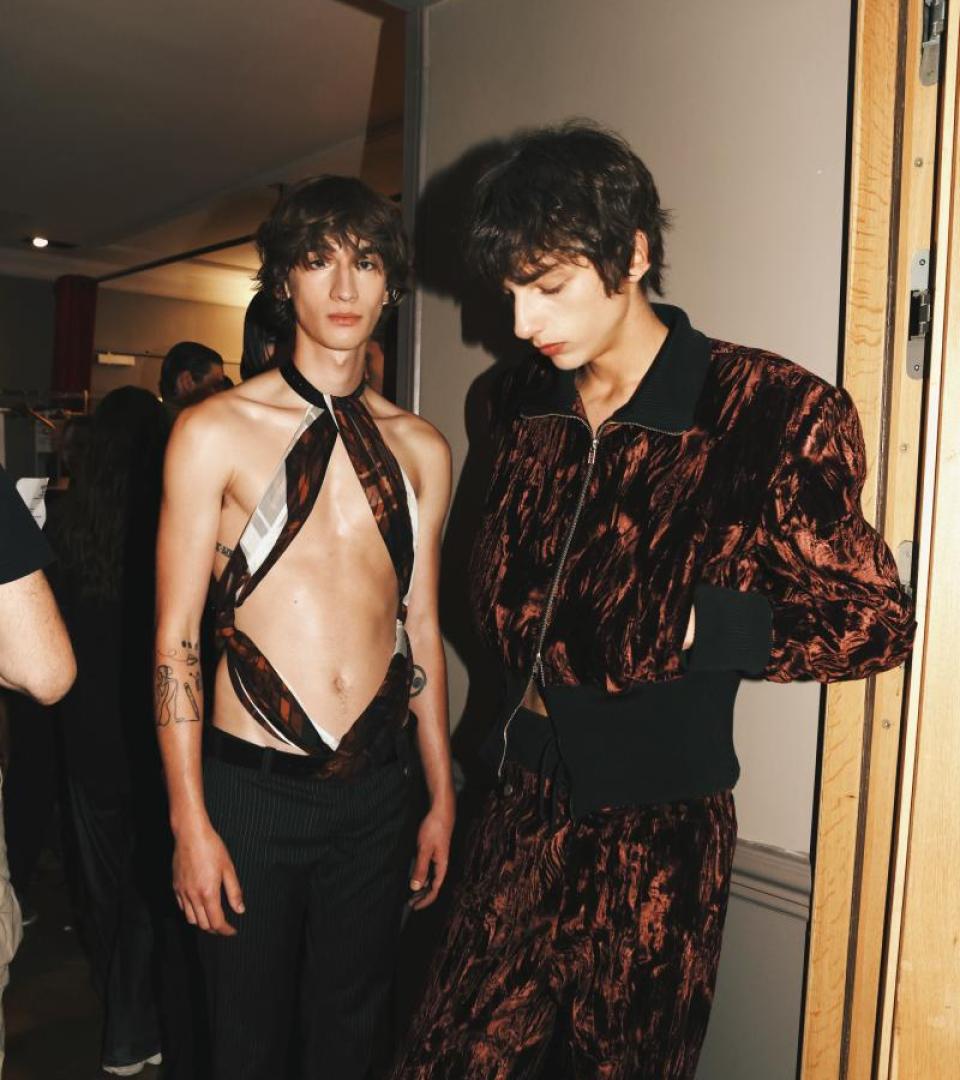
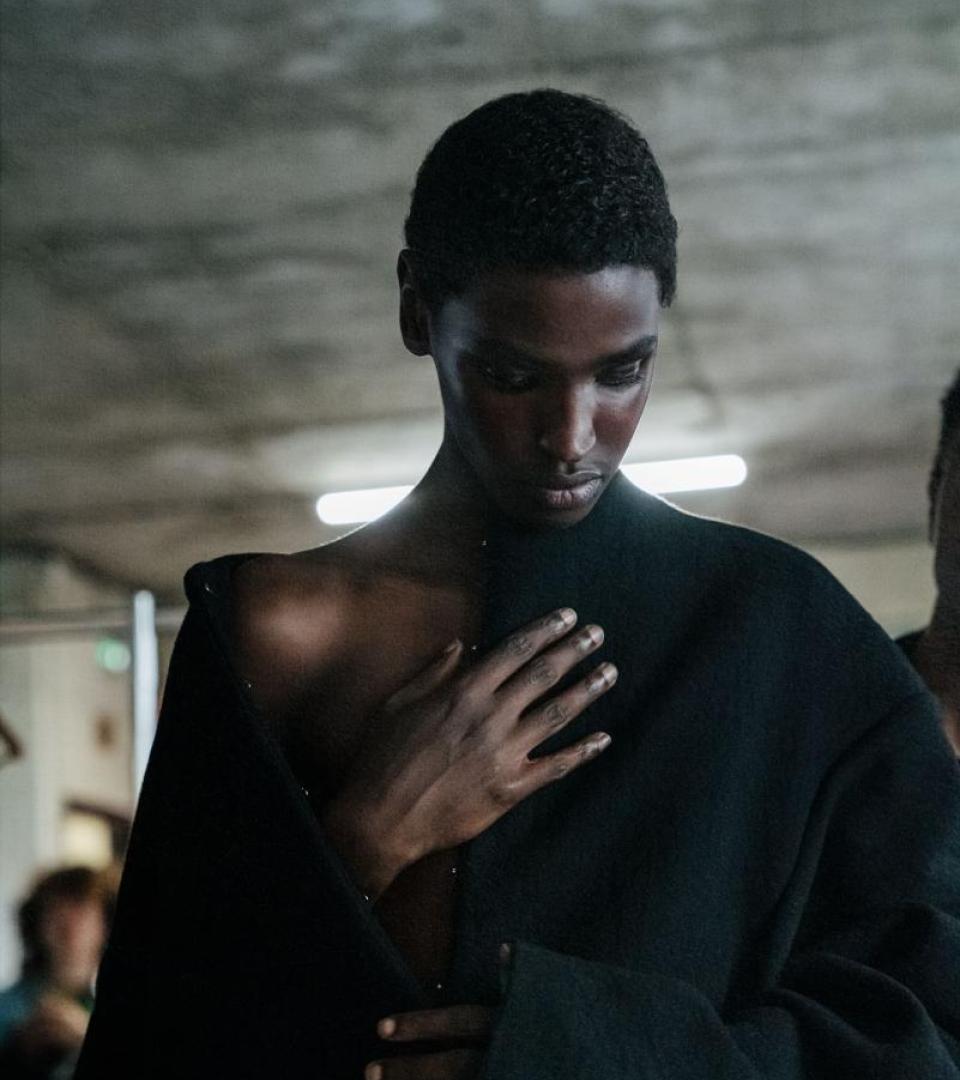
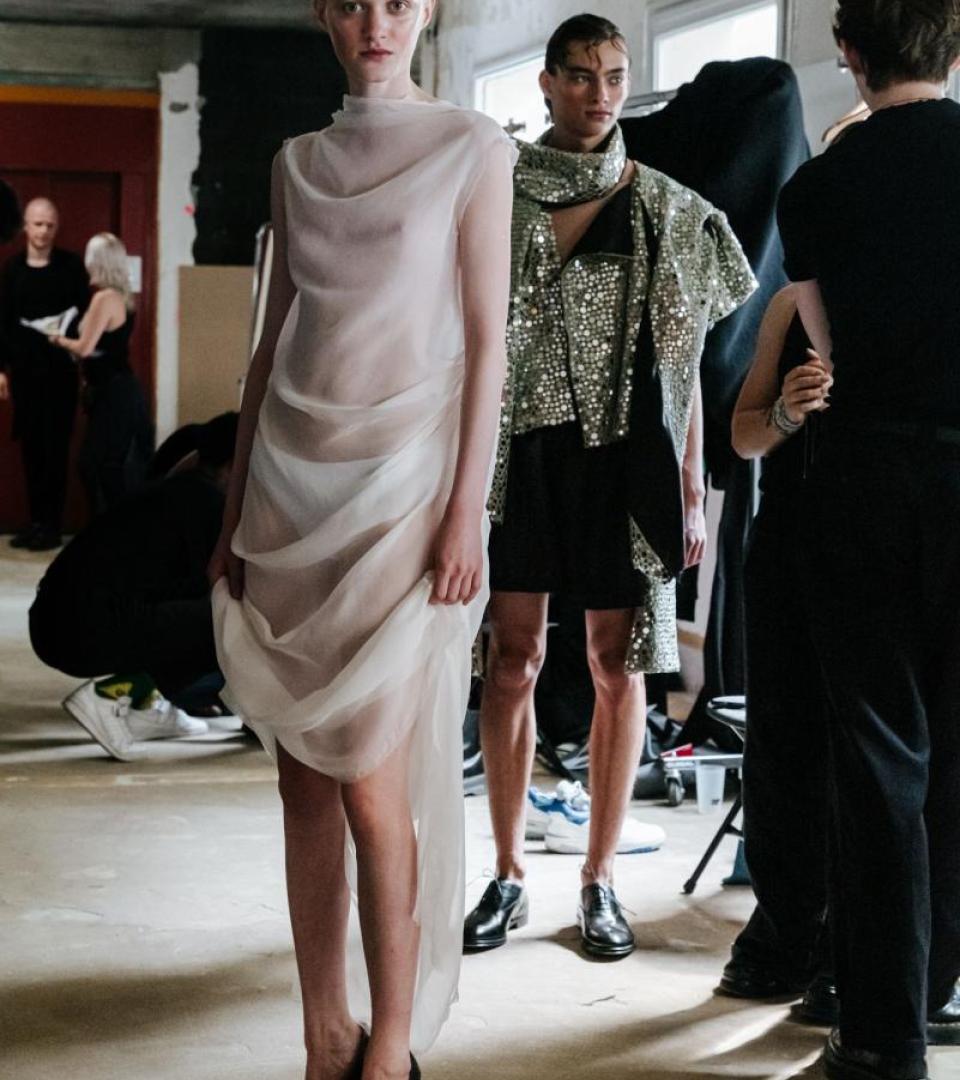
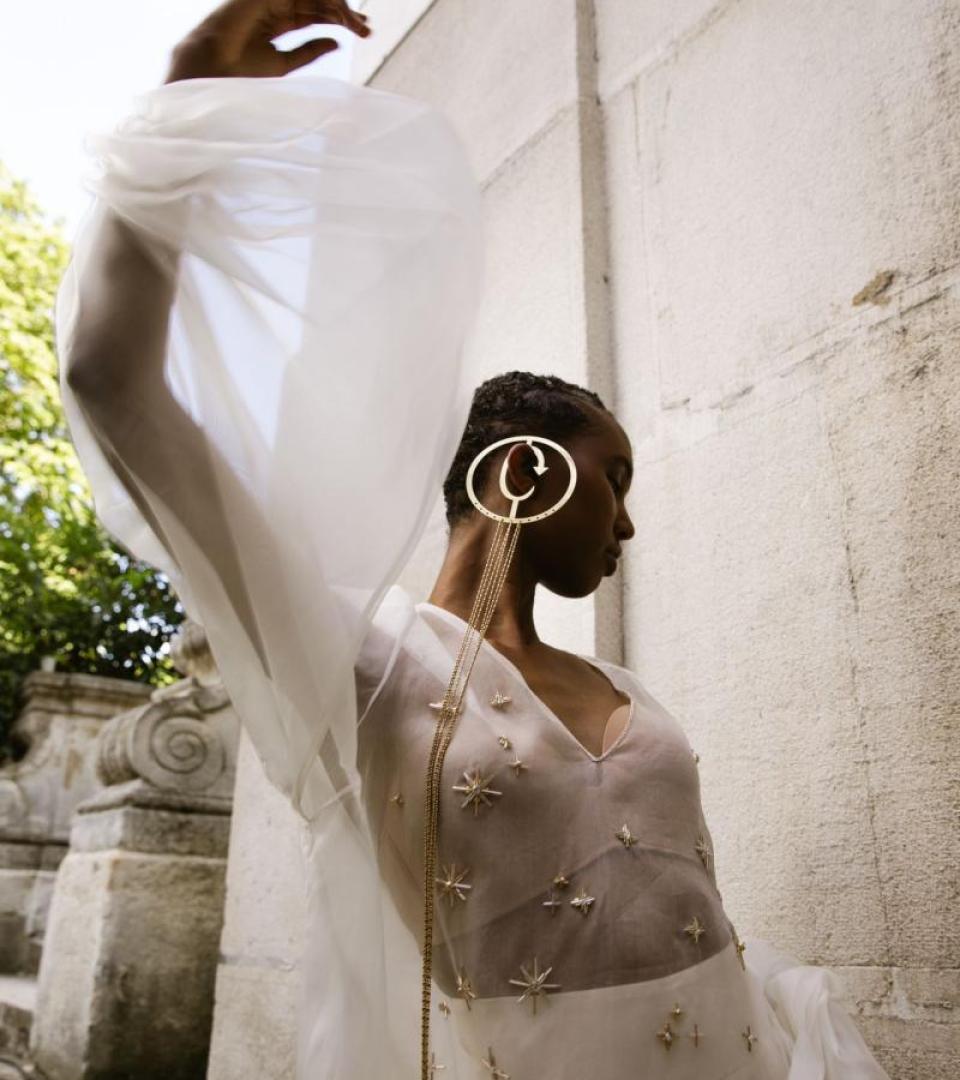
Raised between memory and meticulous craft, Kiminte Kimhekim learned the pleasure of making from his grandmother, sewing and braiding by hand long before fashion became a profession. Paris refined that instinct. After completing his studies and working within the discipline of French couture, he returned to his own name in 2016, founding Kimhēkim as a space where intimacy and structure could coexist. Balancing delicacy and wit, tradition and subversion, he was awarded the Samsung Fashion Design Fund in 2020 and, more recently, recognition at the Korea Designer Fashion Awards.
Where do you look for new ideas or voices in fashion?
I don’t really go looking for ideas. I feel like my most honest voice always comes from the atelier. And when I’m quietly working, fully focused, ideas tend to come to me on their own.
Of course, art exhibitions, films, and music are always important sources of inspiration. But I’m just as inspired by small, everyday moments, through conversations with a friend, and even the way someone adjusts their clothes, or touches their hair.
What excites you in fashion right now?
To be honest, it’s social media. We might all be feeling this, but fashion used to revolve around mass media. Now it feels much more centred around individuals. I love that everyone can exist with their own taste and their own style. Even something you personally might find terrible is loved and appreciated somewhere else. It creates a space where very different perspectives can coexist and respect each other. Fashion is no longer about fitting into a single system. It’s more about building your own world and expressing who you really are.
And what surprises you the most?
Honestly, not much surprises me these days. But recently, my team threw me a surprise birthday party at the atelier. That genuinely meant a lot to me; it was a moment I won’t forget.
What is one reason to be optimistic about the state of fashion going forward?
Fashion itself is a positive force. It creates beauty, brings joy to people, and also provides meaningful livelihoods. I think we’ve moved away from an era defined by conflict and competition through force. Today, creative directors compete through beauty, ideas, and vision. In that sense, creativity becomes a kind of language for coexistence. That gives me hope for the future of fashion.
In which ways might fashion creativity effectively drive growth?
I believe new combinations create new opportunities. It’s like when you start taking care of your nails, then suddenly you notice them all the time. When we begin paying attention to details we once overlooked, new possibilities emerge. If we continue discovering and refining these overlooked details, the potential of decorative arts is almost limitless.
How essential is heritage and/or a distinctive identity in contributing to a brand’s success?
It depends on the kind of brand you want to build. But if you find yourself clicking on the “About” page first when you discover a brand, it means their identity is already working. Understanding your roots, and having a clear sense of where you’re going, is essential. Not just for building a strong brand, but also for living a meaningful life as a person.
Who or what is generating the greatest influence in fashion today?
It’s undeniably social media. Most people spend at least two to three hours a day on their phones, building another layer of their lives there. In the early days of social media, we mainly got to see content of those we follow, in a chronological order. Now, algorithms constantly feed us content based on what they think we want to see. Whether we realise it or not, this system has an enormous influence. I’m not sure this influence is always healthy, but finding a balance within it is more important than ever.
How do you think your brand can spark and sustain desire with so much else going on in the world?
Exploring new tools and new territories is part of an endless mission for any creative person. But what matters most is consistency. I think of it like sending signals into space. You don’t know who will receive them, but you keep transmitting. In the same way, I continue creating collections, trusting that somewhere, someone will connect with that frequency.
Do trends still matter?
Yes, of course. Everything matters. It’s just that priorities change depending on the person, and the moment.
There seems to be more overlap between fashion/entertainment and fashion/sports than ever. Thoughts?
I actually think these worlds have always been connected. Athletes becoming fashion icons, or entertainers influencing fashion, isn’t new. I assume what feels different now is the immediacy and visibility of these intersections.
In what ways is AI helping you develop and realise ideas that might not have been previously possible?
AI is incredibly helpful when it comes to creating large-scale or technically complex environments, like our recent Christmas campaign. It makes certain processes safer and more efficient. But at the same time, the human hand and human decisions are still essential, especially when it comes to nuance and detail. I see AI as a powerful tool, not something that replaces vision, but something that supports it.
Your brand is relatively young. How do you think you can develop it in the current fashion scenario?
I'm old enough to know what to do with my young feelings. I imagine the brand as a living organism. Part madness, part normality, part elegance, and part heritage. Through that balance, I want to continue evolving, both as a person and as a designer, and contribute to expanding the language of decorative arts.
Can you share a mantra that speaks to this moment in time?
Love yourself first.
What do you enjoy most about Paris Fashion Week?
Meeting people who love the brand. Seeing how they interpret and style Kimhēkim pieces in their own way is incredibly inspiring. Those moments remind me why I do this, and they keep me motivated as a designer.
This interview has been lightly edited.