Actualités

Gabriela Hearst Saves Out Future

Interviews

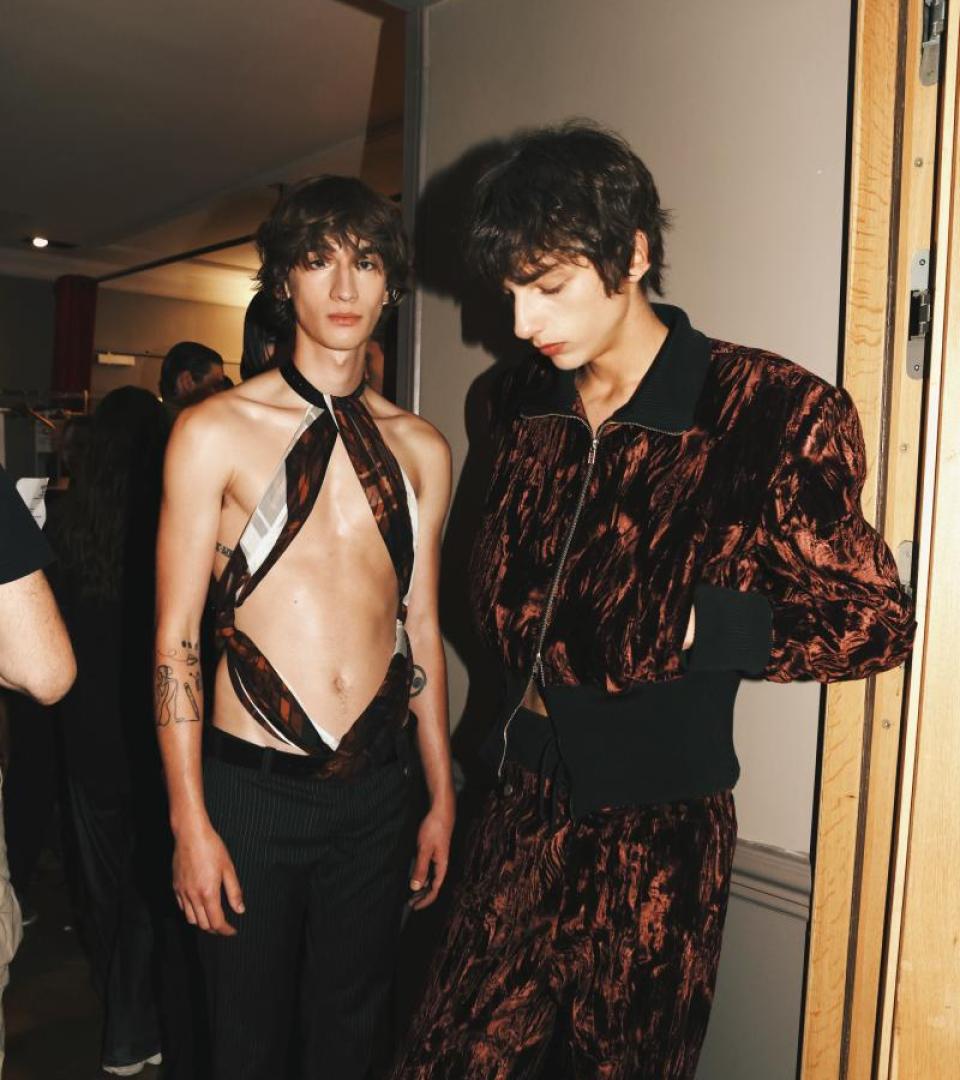
It’s been a decade since Gabriela Hearst started working with Save the Children. For Fall-Winter 2026, the Uruguayan designer fixated her lens on its founder Eglantyne Jebb, a trailblazer whose tireless efforts to safeguard future generations in post-World War I Austria and Germany led her to establishing the non-governmental agency. Jebb was no stranger to controversy. Many considered the changemaker a traitor for protecting the lives of so-called ‘enemy’ children. On the day of her trial, a judge understood the enormity and importance of her efforts. Some years later, Jebb continued to advocate for children’s rights, advocating for them to be introduced in the League of Nations. As atrocities unfurl in the Middle East, Hearst was compelled to respond.

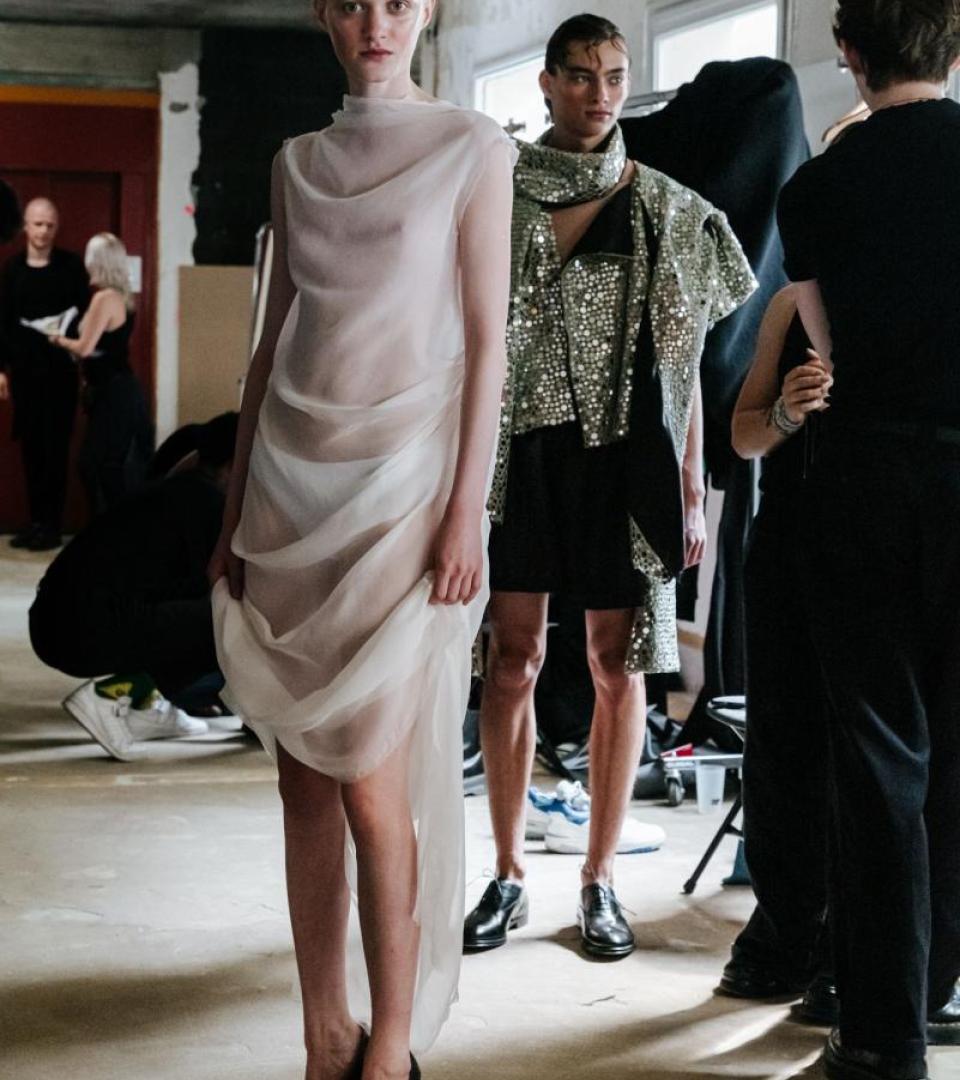
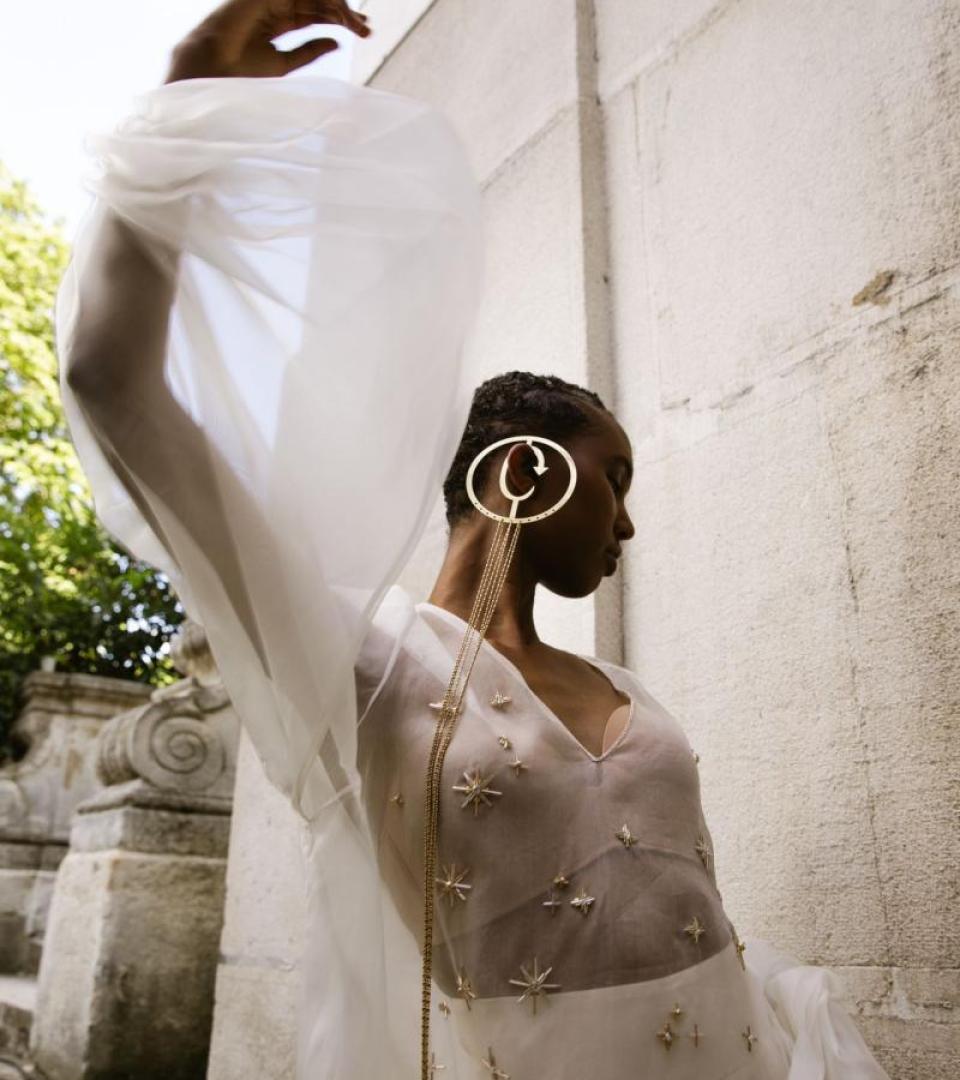
Like Jebb, Hearst is a spiritualist. As she designed the opening look, a cashmere-lace gown in off-white featuring hand-crocheted flowers, she came to realise that Jebb’s nickname was the ‘White Flame,’ as her hair quickly turned into a shock of white in her thirties. Jebb and Hearst share a love for horse riding. It manifests in a series of 24 pairs of handpainted riding boots in bold hues and a naturalistic edge most visible in the collection’s use of leather. A coat borrowed from the English tailoring tradition fuses Jebb’s heritage with Hearst’s with an opulent mantilla embroidery.

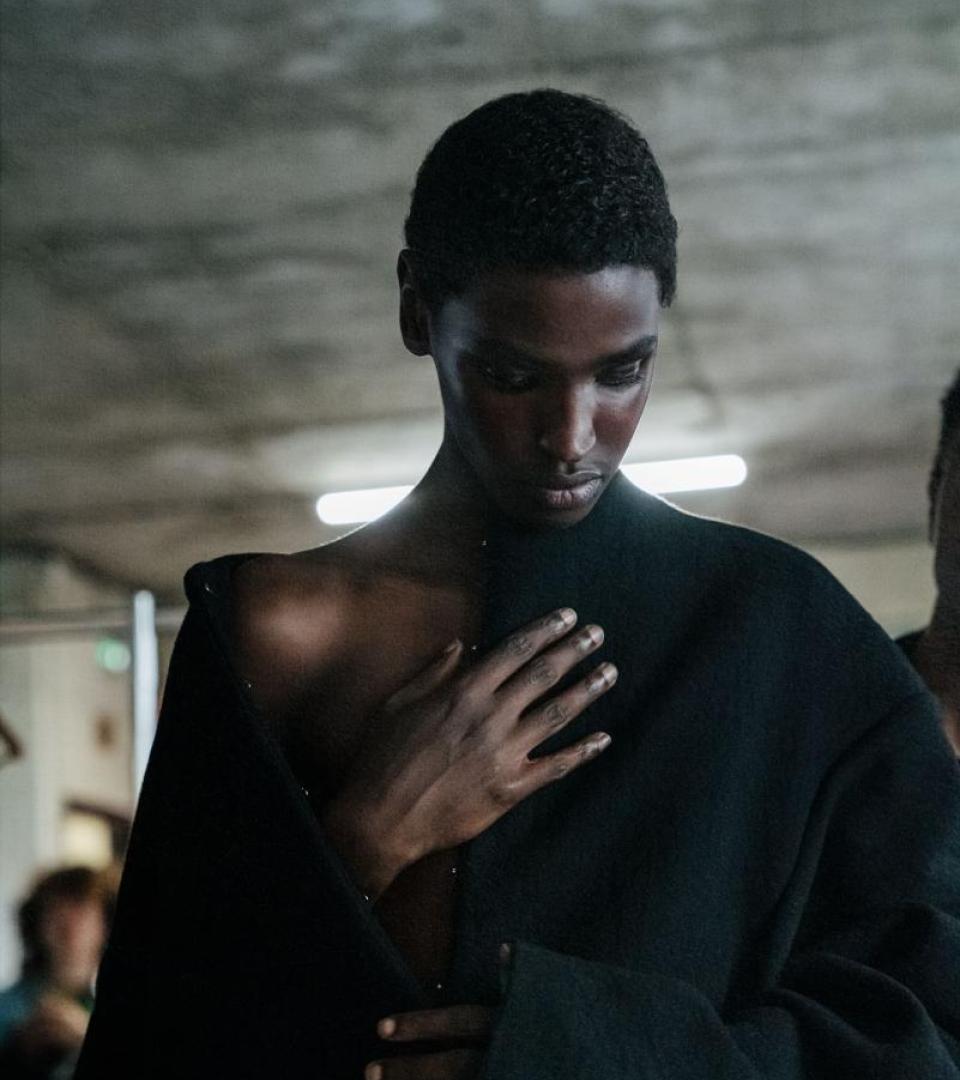
In response to the tension of the current moment, Hearst picked up on cocoon coats, swaddling shearling and recycled mink coats and shearling-lined leather flight jackets. Hand crochet, like and impressive tailoring reinforced creation as central to her practice but also humanity. Hearst is a modern designer, though she does everything within her capabilities to defend the future with her fastidious sustainability efforts.

“We feel [Eglantyne Jebb’s] presence, especially today, and as we started to imagine and evoke her, it felt like the right thing to do. Even now, it feels even more important because every war is a war on children,” Hearst said backstage, minutes before the show commenced at the Petit Palais.

What would you like us to know about this collection?

I’ve worked with Save the Children for 10 years but I didn’t know much about Eglantyne Jebb, but it’s been the most inspiring collection. She was this trailblazing Edwardian from the English countryside who studied at Oxford before women were formally allowed. After World War I, she travelled to Germany and Austria, to help children dying of starvation from English sanctions. She was advocating for the lives. She wasn’t just a pacifist and activist. She was a spiritualist; but also, she was openly lesbian in Edwardian times. We have children’s rights today because of Jebb; she had them written into the League of Nations, which was a precursor to the United Nations. There were so many serendipitous things that happened. I designed a white dress and when I started working with the author who wrote her biography, and I learned that her nickname was ‘the White Flame’ because her hair went white when she was in her thirties. I kept seeing this English camel cashmere coat with Mantilla embroidery; and, of course, she was an English woman. There’s also this cocoon coat in paqueta leather — there’s a lot of roughness because she used to ride horses and bicycles. 


Why did you want to show a collection like this now?

It feels even more important, because every single war is a war on children. Children are our future. No matter what country they are from, what nation they are in, what race they are: they're all our future. So if we bomb our future, we're bombing ourselves.


What message do you have for future generations of fashion designers? 

Every young generation of designers I meet are always so engaged. I have not met a young designer that isn’t conscious about the world that they're living in. Environmental and sustainable practices in young designers is very present. The future is our youth. I always say: never fight the youth. 


Is there a piece in the collection that resonates with you the most?

You'll see a model wearing a blue suede dress. It looks like fabric, but it's actually suede. But then there is also a piece where she's wearing jeans — I'm really proud, because it's an artisanal crochet piece, made by hand in Bolivia by a non-profit organisation that we work with. But then this panel here is made in France and you have all the Italian ruffles. Of course, she's wearing jeans, so you have so many different parts of the world together, it’s very exciting. 


This interview has been lightly edited.