What excites you in fashion right now?
It has always been the same: new ideas, new perspectives, the courage to break with convention.
What is one reason to be optimistic about the state of fashion going forward?
We have all experienced moments when our expectations of fashion were not met. Yet regardless of circumstance, the instant the runway lights rise and the music begins, something electric is stirred within us. Fashion possesses an effortless ability to move emotion and to reflect desire. It is the most immediate medium through which we present ourselves to the world — and through which we interpret the world in return.
What do you enjoy most about Paris Fashion Week?
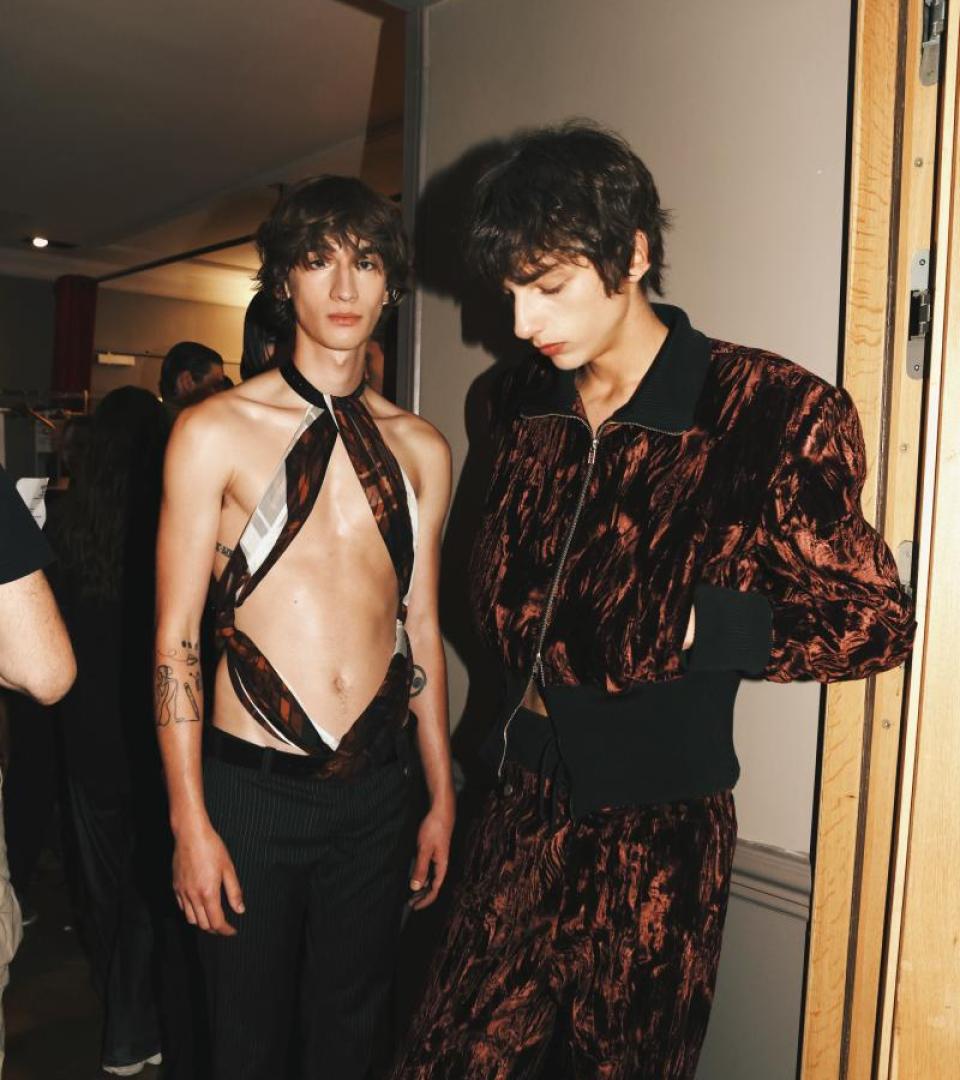
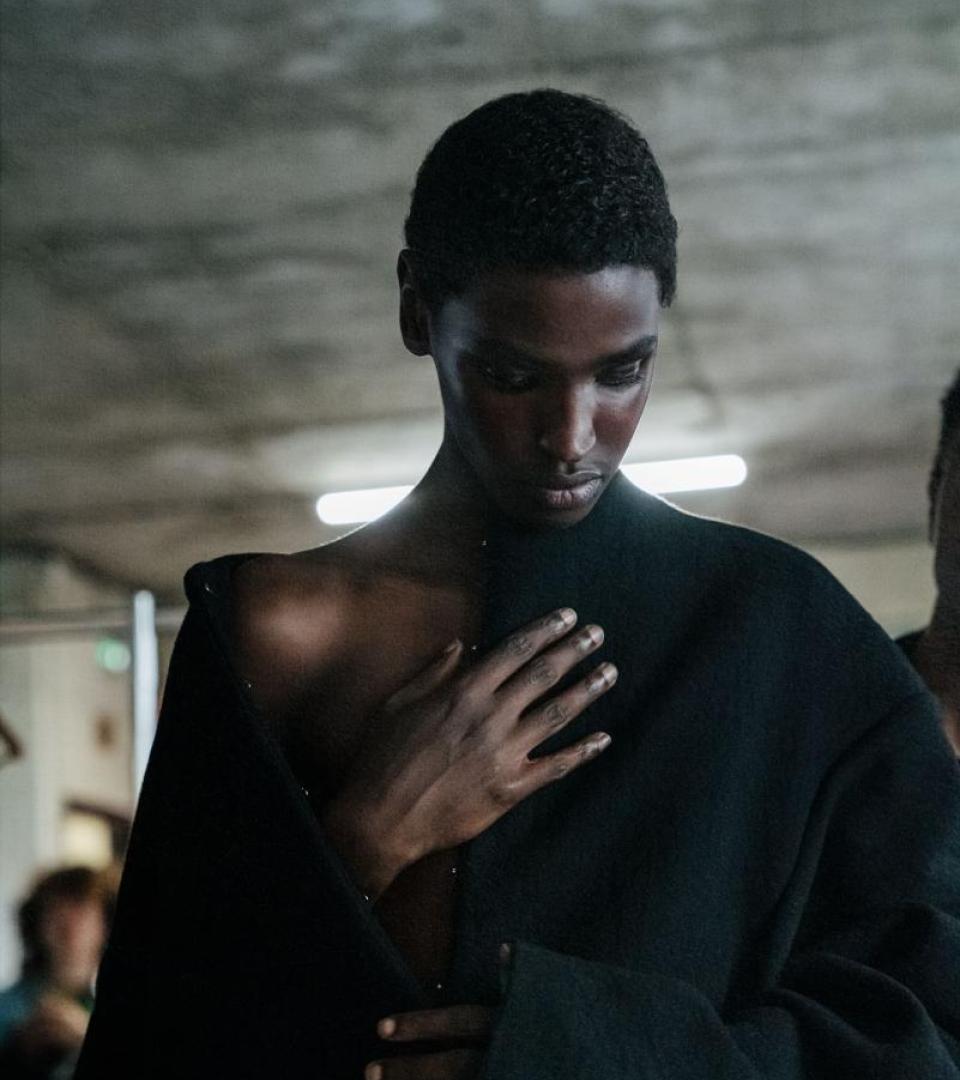
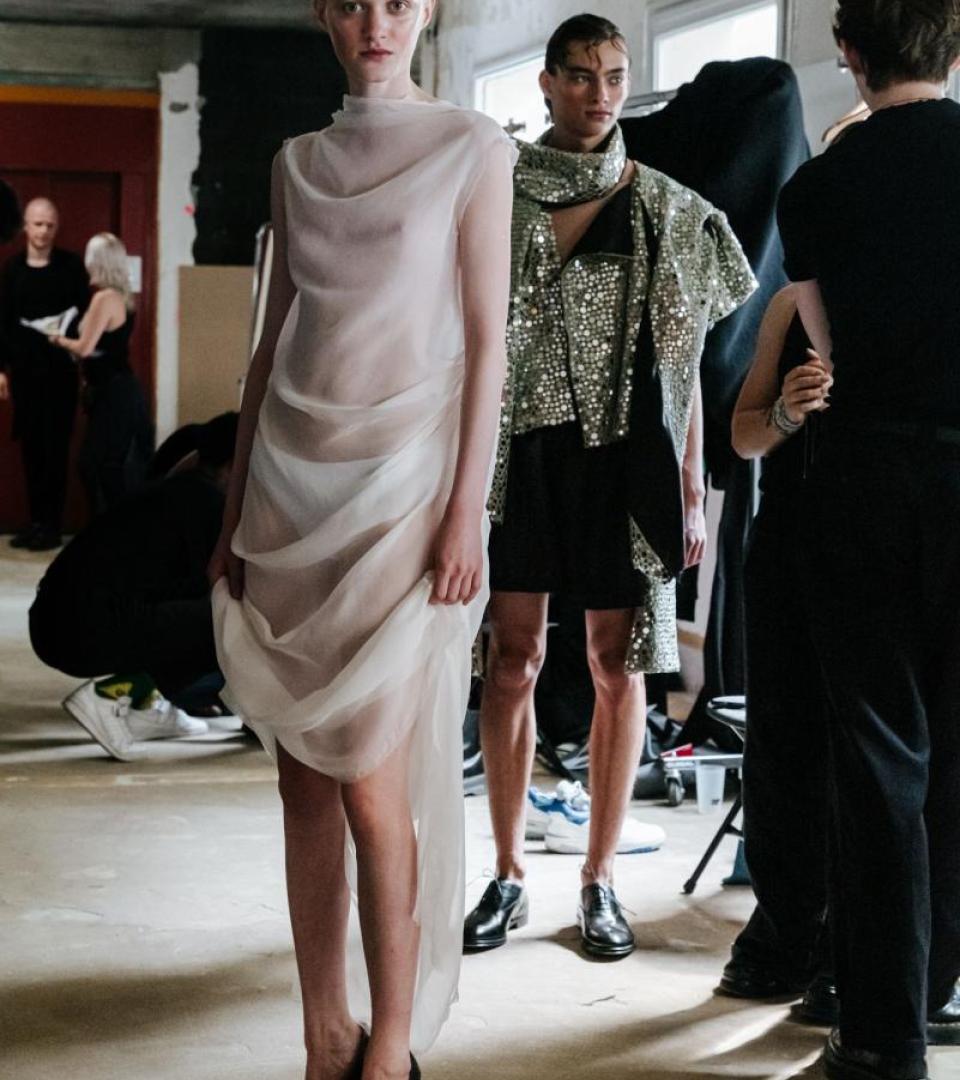
Relatively speaking, Paris Fashion Week remains the most creatively vibrant and the most committed to advancing fashion as an intellectual and cultural proposition.
Do trends still matter?
I believe they do. As the way people dress becomes increasingly diverse and liberated, trends can, at times, feel deliberately engineered by social media. And yet I still find observing them deeply fascinating. In many respects, that is the root of my interest in fashion. It is almost a form of sociology: at any given moment, what a collective chooses to define as fashionable, and whom it elects to elevate as an icon. These choices may not always align with our personal aesthetics, yet they unmistakably reveal the spirit and undercurrents of a particular time.
What are the main elements that make fashion magazines still relevant?
Our culture will always require beautifully produced printed matter also capable of recording the spirit of its time. However, fashion magazines may gradually shift from mass publications to occupying a more rarefied cultural sphere. For that reason, I believe only those produced with greater precision, intention and excellence will retain the space to endure.
What aspect of your work is most fulfilling?
We work in media. For a long time, I considered us peripheral figures within the fashion industry with designers and brands as the protagonists, and ourselves observing from the margins. Yet the longer I remain in this field, the more frequently designers and young editors tell me that something I once wrote, or a story I produced, inspired them. Those are the moments in which I feel the deepest sense of fulfilment.
What is your favourite way to compliment someone’s style?
My favourite way to compliment someone’s style is to tell them they look cultured and that there is intelligence behind the way they dress. To me, true style is not merely a matter of taste or trend awareness; it is about possessing a point of view. When someone appears thoughtful, informed, even slightly intellectual, in their choices, that is the highest compliment I can offer.
In what ways is AI helping you develop and realise ideas that might previously have seemed impossible?
AI’s ability to gather and synthesise information at speed is extraordinarily powerful. Recently, I spoke with a friend deeply immersed in AI research. He said something that stayed with me: one should not treat AI as a wishing tree, offering vague and abstract prompts in expectation of magic. One should treat it as an assistant and provide precise, substantial material and clear direction, and do not allow it to become indolent. That perspective reshaped the way I work. For example, AI’s capacity to analyse brand financial reports is far stronger and faster than mine. It enables me to identify patterns and structures that would otherwise take considerably longer to discern. At the same time, I am increasingly interested in AI-generated imagery and film. I do not regard it as a replacement for creativity, but as an expansion of what may be imagined and realised.
There appears to be more overlap between fashion and entertainment, and fashion and sport, than ever before. Your thoughts?
It is a complex question. The boundaries of fashion are undeniably expanding. Today, it has, in many respects, become intertwined with the entertainment industry. Whether we welcome it or not, fashion remains a business. That is a reality we must acknowledge. Yet I prefer to focus on the more hopeful dimension. Regardless of spectacle or crossover, this industry continues to demand an extraordinary level of professionalism. Highly skilled creative minds and technical experts work quietly behind the scenes. It remains one of the few industries that maintains a profound respect for craftsmanship. Even if these elements are no longer consistently under the spotlight, they persist, silently forming the foundation upon which everything else is built.
This interview has been lightly edited.